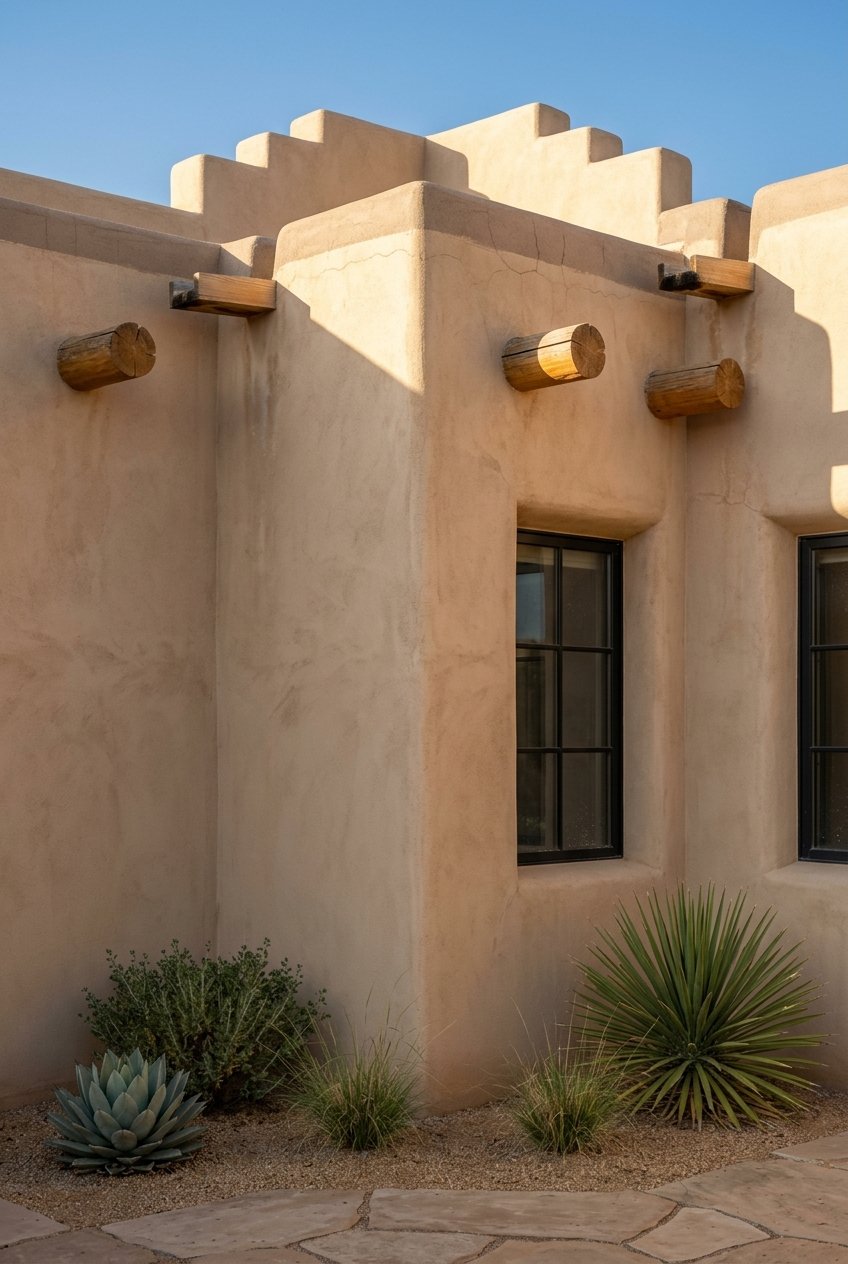


If you are drawn to Historic Eastside and Canyon Road, you are probably not just shopping for square footage. You are weighing architecture, setting, and the daily experience of owning a home in one of Santa Fe’s most distinctive historic environments. The tradeoff is simple to describe but important to understand: the charm and character can be exceptional, but so can the maintenance, review process, and planning required. Let’s dive in.
What You Are Really Buying
In Santa Fe’s Downtown and Eastside Historic District, you are buying into more than a location. The city describes this area as home to some of Santa Fe’s oldest and best-preserved Spanish-Pueblo, Territorial, and revival architecture, along with defining urban features like narrow streets, a plaza-centered grid, and acequia infrastructure, as outlined in the Historic Districts Handbook.
That matters because ownership here comes with a preservation framework. The City of Santa Fe’s Historic Preservation Division assists owners with property modifications in the city’s historic districts, and Chapter 14 of the city code sets the binding standards.
In practical terms, you are not only choosing between an older adobe and a newer home. You are also choosing how much review, planning, and long-term stewardship you are comfortable with.
Historic Adobe vs Newer Construction
Why adobe appeals to buyers
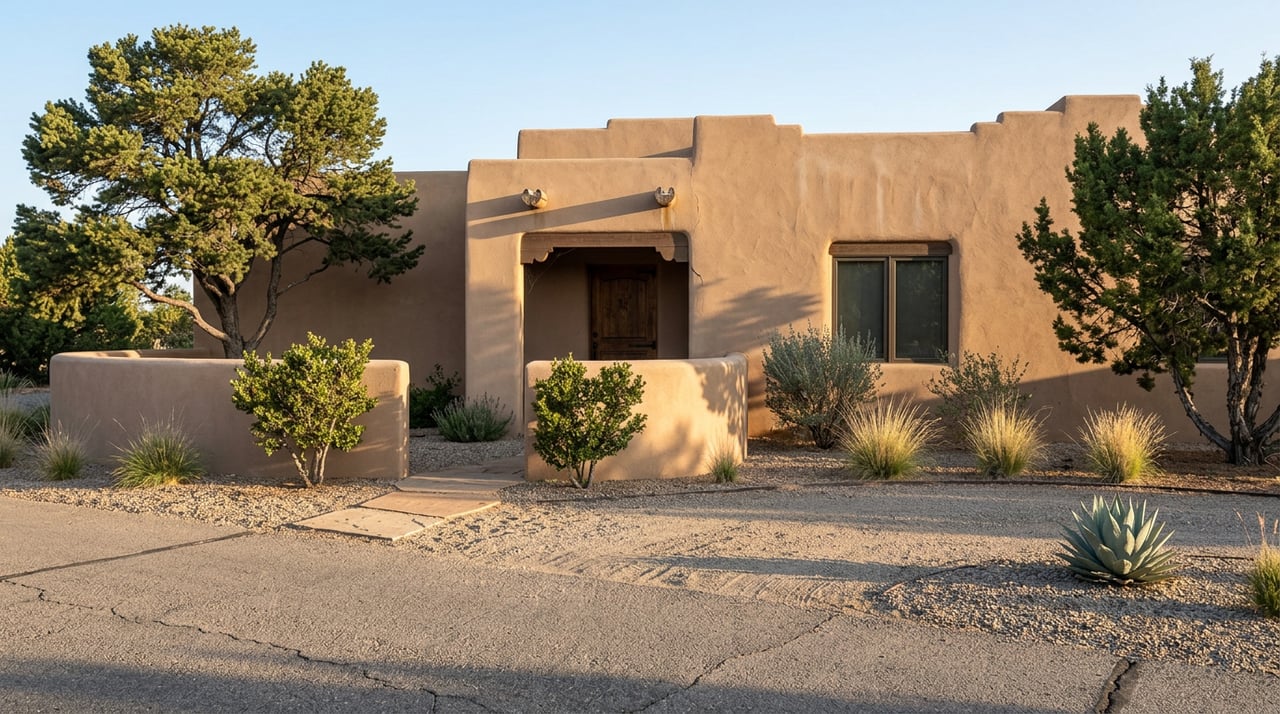
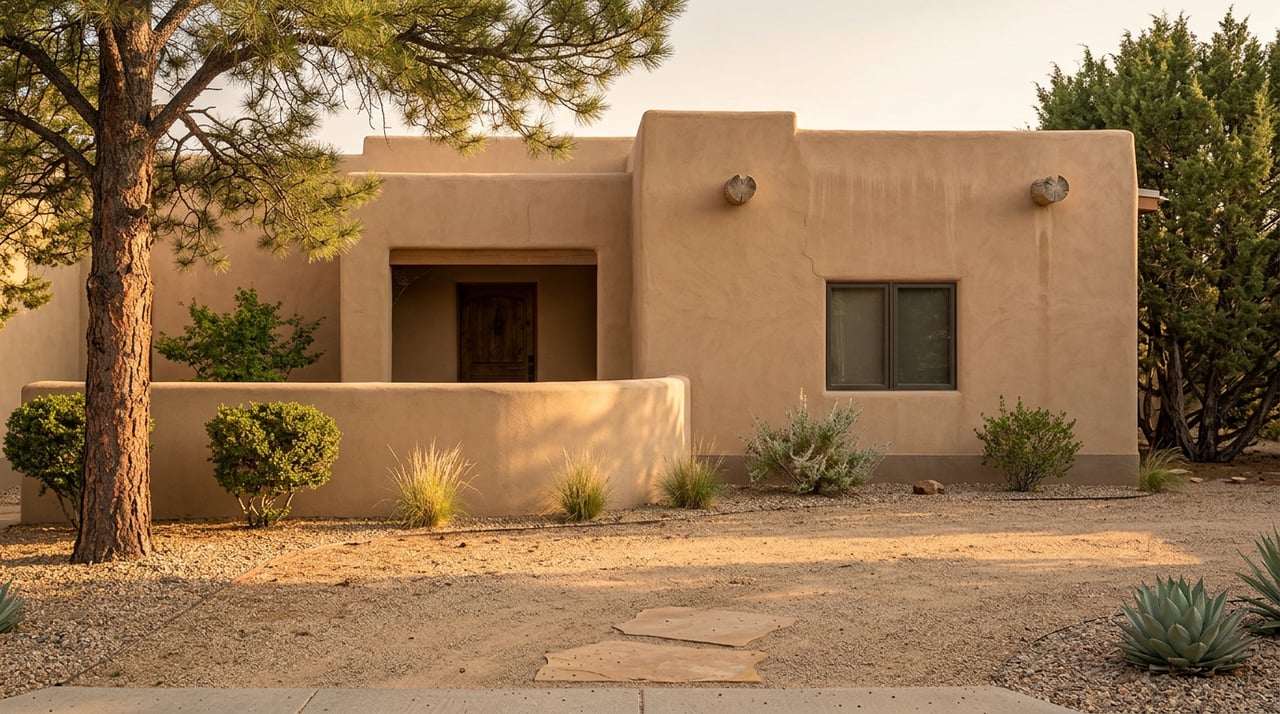
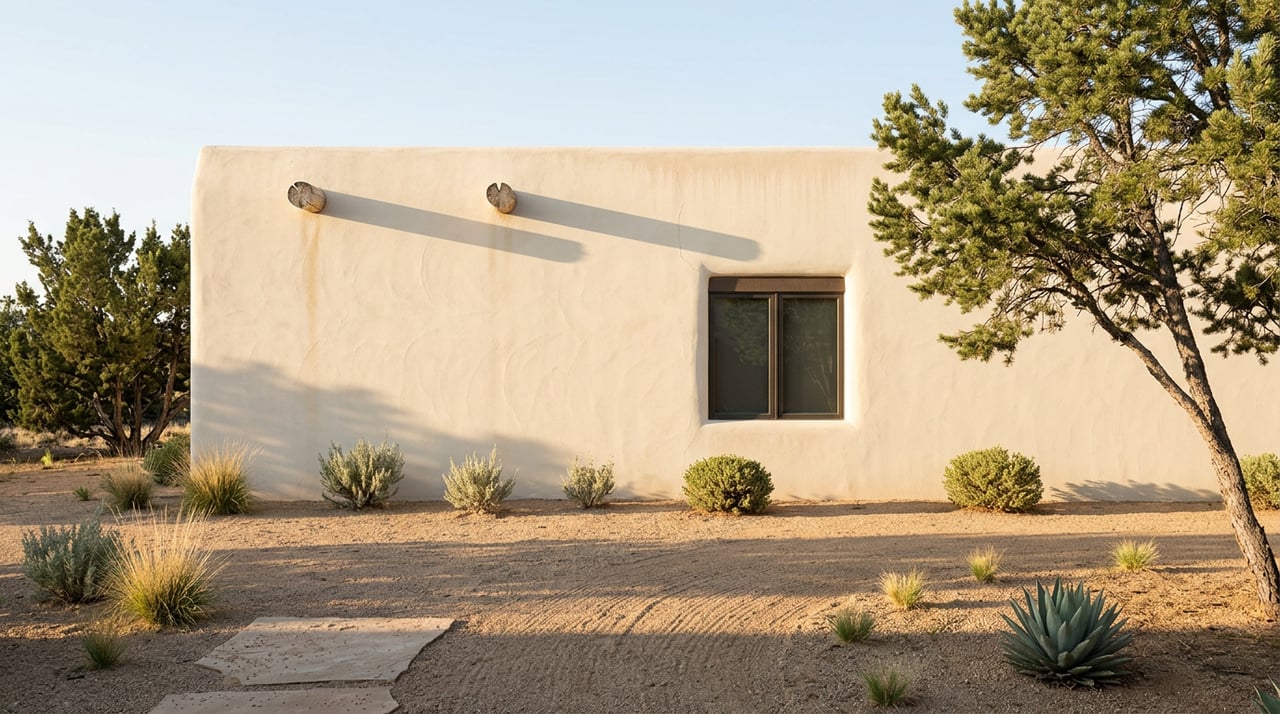
Historic adobe homes often offer the kind of architectural character that is hard to replicate. Thick walls, deep-set openings, and traditional materials can create a sense of place that feels deeply tied to Santa Fe.
For many buyers, that is the point. If you want a home that reflects the area’s long architectural history, an older adobe may feel more compelling than something built recently, even if the newer property offers more modern systems or fewer upkeep concerns.
Why newer homes still require care
A newer house inside the district may reduce some adobe-specific maintenance, but it is not outside the historic framework. According to the city, the Historic Districts Review Board works to maintain harmony between historic and modern design in areas such as style, form, color, height, proportion, texture, and material, and the city’s historic preservation case resources can help confirm district status.
That means even if a home looks contemporary or recently built, visible exterior changes may still be reviewed. Newer construction can simplify some ownership issues, but it does not automatically mean full design freedom.
Maintenance Is a Real Tradeoff
Adobe needs active moisture management
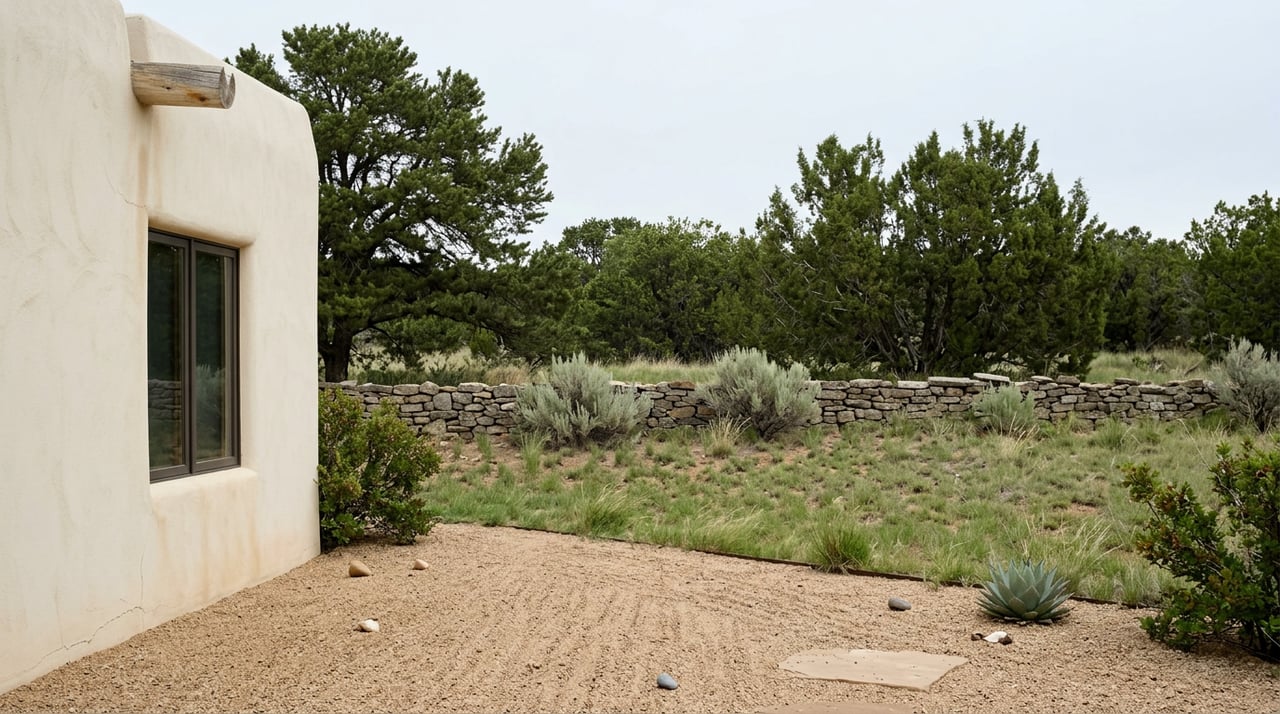
The National Park Service notes that adobe deterioration is often driven by moisture, and an adobe building’s long-term survival depends heavily on how well it sheds water. Roof drainage, parapets, wall surfaces, foundation drainage, and nearby planting all matter, according to Preservation Brief 5 on adobe.
For you as a buyer, that usually means paying close attention to roofing, drainage, stucco condition, and signs of moisture movement. It does not mean every adobe home is a problem, but it does mean maintenance planning should be part of your decision from the start.
Cyclical upkeep matters more
The same NPS guidance emphasizes that cyclical maintenance is essential and that early cracking, sagging, or bulging should be monitored and addressed. In other words, waiting too long on a small issue can create a larger one.
A newer home may still need normal repairs, of course. But if you are comparing an older adobe with a newer build, one of the clearest tradeoffs is the amount of proactive monitoring an adobe home may require over time.
Energy Efficiency May Not Be What You Expect
Older homes are not always inefficient
It is easy to assume that an older home will be less comfortable or less efficient, but that is not always true. The National Park Service notes that historic buildings often include inherently energy-saving features such as heavy masonry walls, operable windows, courtyards, skylights, and deep eaves in its guidance on energy efficiency in historic buildings.
That said, older homes often benefit from targeted weatherization rather than blanket upgrades. Air sealing, window and door improvements, insulation in appropriate places, efficient HVAC equipment, and shading can help, but the NPS also cautions against sealing a historic building too tightly.
Newer homes may start with efficiency advantages
Santa Fe’s Residential Green Building Code and permit framework apply to new single-family units, guesthouses, additions, and remodels. As a result, newer homes and major additions are more likely to reflect current efficiency standards from the beginning.
If energy performance is high on your list, a newer home may offer a more straightforward path. With an older historic property, comfort and efficiency are often achievable, but they usually require a more tailored approach.
Exterior Changes Can Be More Specific Than Buyers Expect
The Eastside standards can be detailed, especially for publicly visible facades. The city’s handbook explains that visible windows, doors, and additions can become design-review issues even when the house is otherwise functional.
This is one of the biggest surprises for buyers entering the district for the first time. A project that seems simple, such as replacing windows or adjusting an exterior feature, may involve a separate review track before work begins.
That does not mean change is impossible. It means your timeline, design decisions, and budget should reflect the fact that visible exterior work may need approval.
Financing and Incentives Need Early Review
Historic tax credits can help
If you are purchasing a property that needs rehabilitation, tax credits may be part of the equation. The IRS states that the federal historic rehabilitation credit is 20% of qualified rehabilitation expenses, but rehabilitation does not include enlargement or new construction, as explained in the IRS rehabilitation credit overview.
New Mexico’s state program can apply to residential properties if the property is individually listed in the State Register of Cultural Properties or contributes to a listed historic district, and the work must be pre-approved. The state program also has key constraints: approval generally expires after 24 months, and eligible expenses are generally capped at $50,000 per approval period, yielding a maximum credit of $25,000, according to New Mexico Historic Preservation Division tax credit guidance.
Rehab financing works differently
If the home needs substantial work, financing may look different than a standard purchase loan. HUD’s Section 203(k) program allows eligible buyers to combine the purchase or refinance and renovation into one insured mortgage, with funds held in escrow and released as work is completed.
For buyers considering a major restoration or improvement project, this can change what is financially possible. It also reinforces why early planning matters when you are comparing a historic fixer with a more turnkey property.
Due Diligence Is Especially Important Here
Verify legal lot status early
In this market, a boundary survey is not just a nice-to-have. Santa Fe requires proof of a legal lot of record for building permits and development review, and the city states that the process will not proceed without it, as explained in its legal lot of record requirements.
That can affect your plans in a meaningful way. If you expect to add to, modify, or significantly improve a property, this is one of the first items to verify.
Review easements and encroachments
Easements also deserve early attention. Santa Fe’s utility standards require recorded easements, and if an encroachment is found, the city can require documentation showing the affected area, according to the city’s utility design standards.
For you, that means features like fences, patios, additions, or utility-related work may be shaped by what the survey and title work show, not just by what appears workable on site.
Approval Timelines Affect Budget and Plans
Historic review is a separate process
Owners must apply to modify properties within Santa Fe’s historic districts. According to the city’s historic preservation process and fees, administrative approvals cover general maintenance or minor alterations, while projects that cannot be approved administratively go to the Historic Districts Review Board.
The current fee schedule includes a $75 pre-application or site visit fee, $100 for maintenance-and-repair administrative approval, and HDRB hearing fees tied to project cost with a $250 minimum and $2,000 maximum. The HDRB meets every second and fourth Tuesday except holiday weeks.
Permits still matter too
Historic approval does not replace standard permitting. The city notes that exterior work in the historic districts must be pre-approved by HPD, and separate permits may still be required for projects like roofing, window replacement, solar panels, new mechanical equipment, re-stuccoing, and driveway construction through the city’s building permit system.
This is why sequencing matters. Before you finalize design ideas or budgets, it helps to confirm district status, verify lot status, review easements, and understand what level of HPD approval may be required.
How to Think About the Tradeoff
If you are deciding between a historic adobe and newer construction in Historic Eastside or along Canyon Road, the choice often comes down to priorities. Historic adobe can offer architectural depth, place-specific character, and possible preservation incentives, but it may also require more moisture management, more ongoing maintenance awareness, and more approval lead time.
Newer construction may reduce some of the upkeep burden and may be easier to weatherize or adapt to current systems. But if it sits within the same district, it is still shaped by preservation rules for visible exterior changes.
The right choice depends on how you want to live, how much project complexity you want to manage, and whether you value historic fabric enough to take on the added stewardship. If you want a thoughtful, property-specific strategy for buying in Santa Fe’s historic core, Ayden Gramm Real Estate can help you evaluate the tradeoffs with clarity.
FAQs
What makes Historic Eastside and Canyon Road different from other Santa Fe areas?
- Homes in this area are part of Santa Fe’s Downtown and Eastside Historic District, which means you are buying into a regulated historic environment with architectural significance and a preservation review process.
Do newer homes in the Historic Eastside district still face design review?
- Yes. Even newer homes within the district may be subject to review for visible exterior changes so the city can maintain compatibility in design, materials, scale, and appearance.
Are adobe homes in Santa Fe harder to maintain than newer houses?
- They can require more active attention, especially around moisture management, drainage, stucco, roofing, and early signs of cracking or movement.
Can buyers of historic homes in Santa Fe use tax credits for renovations?
- Possibly. Some projects may qualify for federal or New Mexico historic rehabilitation tax credits, but eligibility is narrow and pre-approval is often required.
What due diligence matters most when buying in Santa Fe’s historic district?
- Key steps include confirming district status, verifying legal lot of record, reviewing easements and encroachments, and understanding which approvals or permits may be needed for future work.