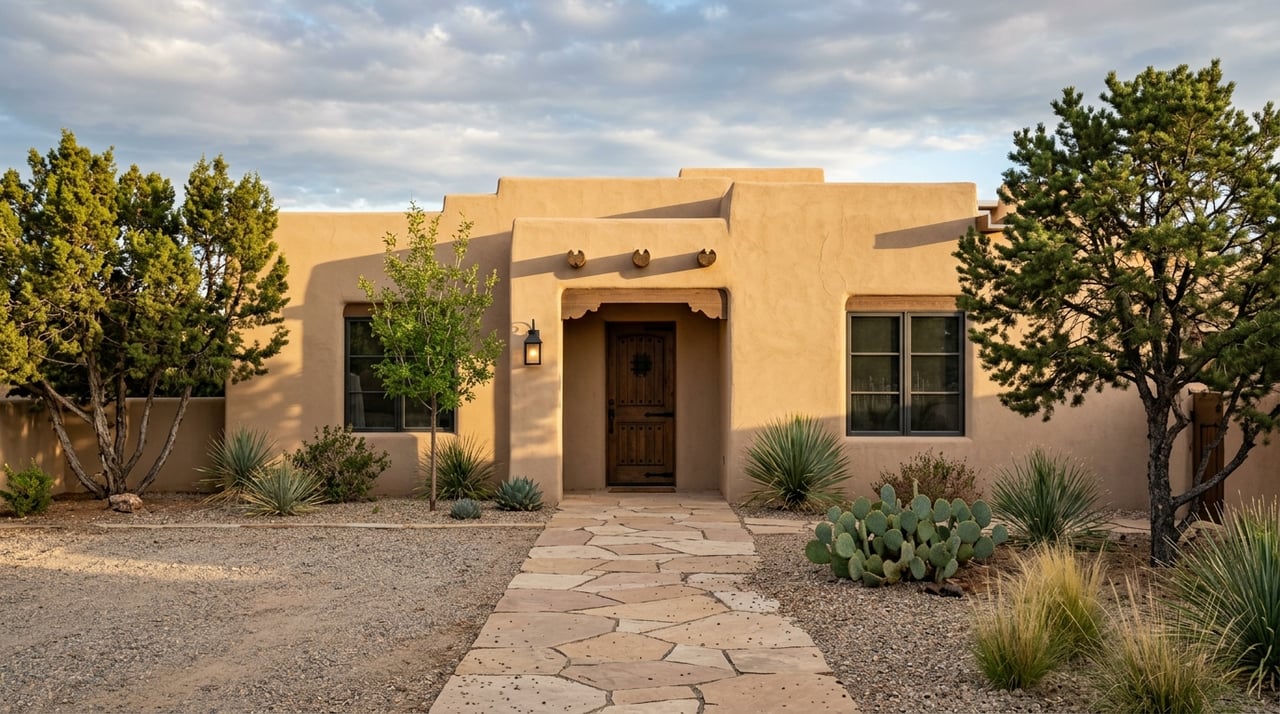


If you want to be close to Santa Fe’s energy without living in the middle of it, the area just north of the Plaza offers a rare middle ground. You can stay connected to downtown restaurants, galleries, museums, and daily conveniences while enjoying quieter streets, foothill views, and a more tucked-away feel as you move farther north. For buyers drawn to Santa Fe’s mix of culture, landscape, and architectural character, this corridor is worth a closer look. Let’s dive in.
Why North of the Plaza Stands Out
Santa Fe Plaza is the city’s historic core and a central hub for commerce, culture, and public life. Around the Plaza, you’ll find a dense mix of historic buildings, shops, restaurants, bookstores, galleries, hotels, museums, and landmark sites.
Just north of that compact center, the setting begins to change. The corridor along Old Taos Highway and Bishop’s Lodge Road transitions toward a quieter, foothill-edge environment, where the pace feels more residential and the sky often feels bigger.
That shift is part of the appeal. You are not choosing between urban access and scenic calm quite as sharply here as you might in other parts of town.
The Feel of the Corridor
One of the defining features of this area is how quickly the streetscape changes as you head north. Near the southern edge, you are still close to Santa Fe’s most walkable core, where daily needs and downtown destinations can be reached within a short walk.
Farther up the corridor, the experience becomes more secluded and more car-dependent. The route itself has a winding, historic-road character, with narrow curving pavement, lower speeds, limited sight distance, and stretches shaped by tree canopy, open views, and natural features.
Santa Fe County’s planning documents describe Bishop’s Lodge Road and Tesuque Village Road as a scenic corridor and an important spine through the community. There is also a clear emphasis on preserving visual openness to pastures, orchards, and the surrounding landscape, which helps explain why the area can feel both settled and spacious.
Housing Options Are More Varied Than Many Expect
This part of Santa Fe does not follow a single housing formula. Verified local records point to a mix of detached homes and attached or condominium-style living in the broader north-of-Plaza corridor.
A useful example is Plaza del Monte, a six-acre subdivision between Bishop’s Lodge Road and Old Taos Highway. It was developed beginning in the late 1950s and, once fully built out, included 25 single-family residences and 3 quad apartment structures.
Santa Fe County planning materials also reference Bishop’s Lodge Condominiums in the southern part of the larger plan area. In practical terms, that means buyers may find a range of options here, from smaller in-town footholds to more private homes with a stronger view and retreat orientation.
What Daily Life Looks Like
For many buyers, the biggest lifestyle advantage is simple: you are close to downtown Santa Fe. The Plaza and downtown district bring together restaurants, boutiques, galleries, bookstores, museums, performing arts venues, Cathedral Park, Burro Alley, and the Santa Fe River walk.
That means a dinner out, an afternoon at a museum, or an evening performance can feel very accessible, especially from the southern part of the corridor. You can tap into the city’s cultural life without being surrounded by its busiest blocks full time.
There is also useful neighborhood infrastructure nearby. Ft. Marcy Recreation Complex on Bishop’s Lodge Road includes a pool, weight room, cardio equipment, racquetball courts, a gymnasium, fitness classes, and sports leagues, plus adjacent parks with fields, playgrounds, a walking path, a putting green, and outdoor fitness equipment.
Access Is Evolving
This area has long appealed to people who like a scenic approach home, but it is not standing still. The City of Santa Fe’s Bishop’s Lodge Road Reconstruction Project is designed to add multimodal features, including bicycle lanes and an adjacent trail, from Callecita Place to the city limits.
That matters because it supports a more flexible way to move through certain stretches of the corridor. While the upper portions still read as more secluded and vehicle-oriented, selected areas are becoming more bike- and walk-friendly.
The neighborhood also shows signs of being a true residential area near the core, not just an extension of visitor activity. Kearney Road and Kearney Avenue are included in the city’s residential parking permit program, reinforcing the lived-in character of this part of town.
The Landscape Gets Bigger as You Go North
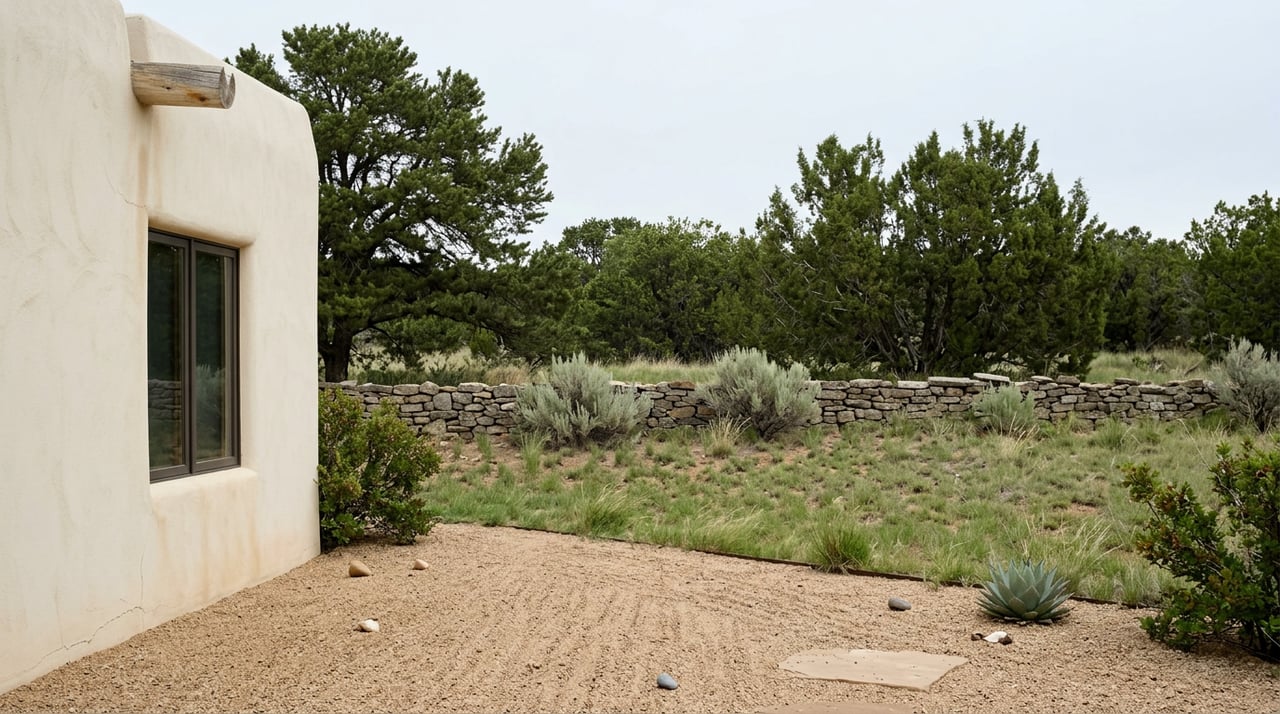
One of the most memorable things about living north of the Plaza is the sense of visual release. Downtown Santa Fe feels intimate and layered, while the road north begins to open toward the foothills and the edge of the national forest.
Bishop’s Lodge sits about three miles from the Plaza at the edge of the city limits and borders the Santa Fe National Forest. That geographic relationship helps explain why this corridor can feel so distinct from the center city even though it remains close by.
For buyers who prioritize outlook, natural light, and a quieter arrival home, that transition can be a major draw. It is one of the places in Santa Fe where access to culture and access to landscape overlap in a very tangible way.
A Good Fit for Several Buyer Types
The broader 87501 ZIP code offers a helpful snapshot of who this area may appeal to. Census data shows a median age of 58.7, an average household size of 1.7, a high level of educational attainment, and a median owner-occupied home value of $673,100.
While every block and property is different, those numbers suggest a market that can resonate with long-term locals, downsizers, and buyers looking for a second home in a well-established Santa Fe setting. The mix of in-town access and quieter surroundings also makes sense for people who want a lock-and-leave option or a more curated full-time lifestyle.
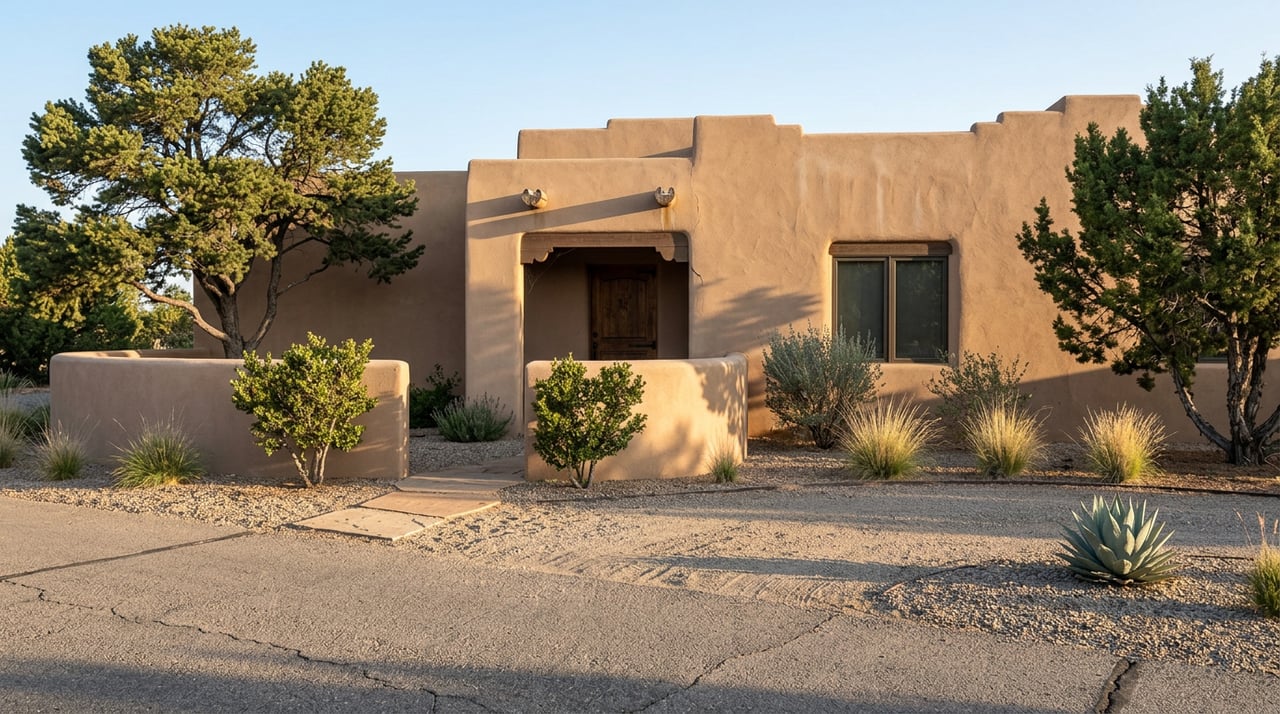
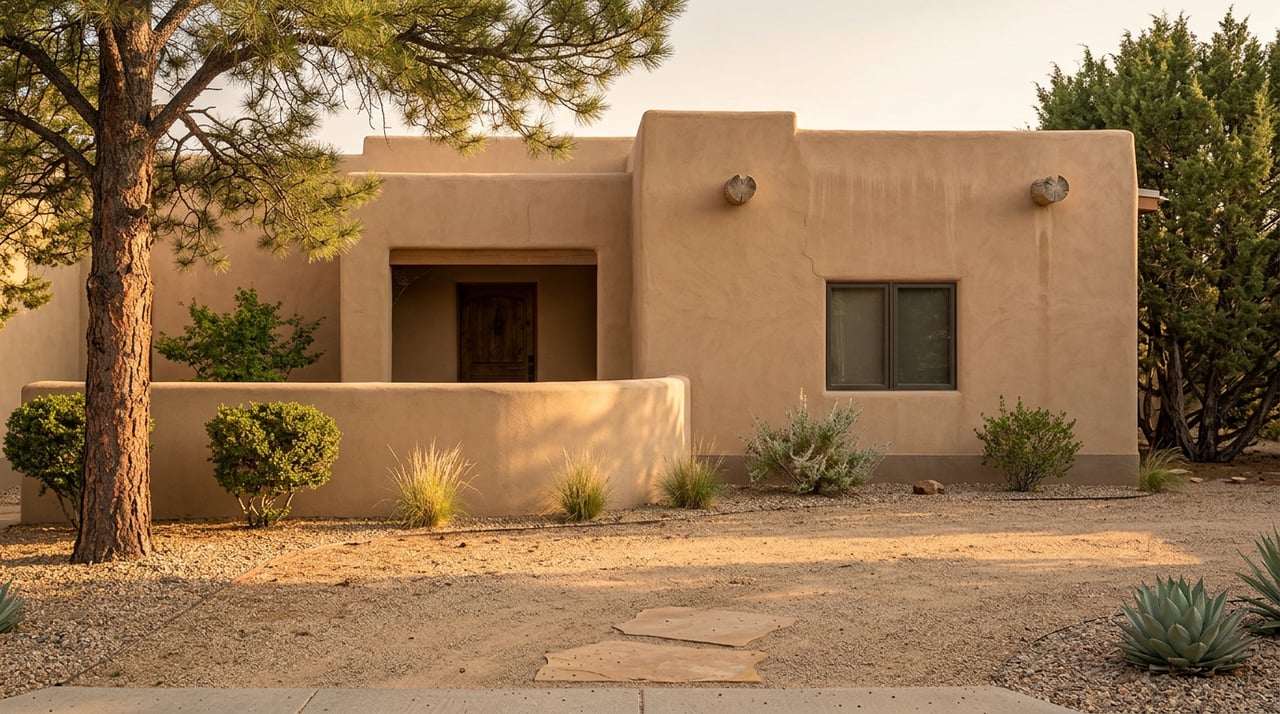
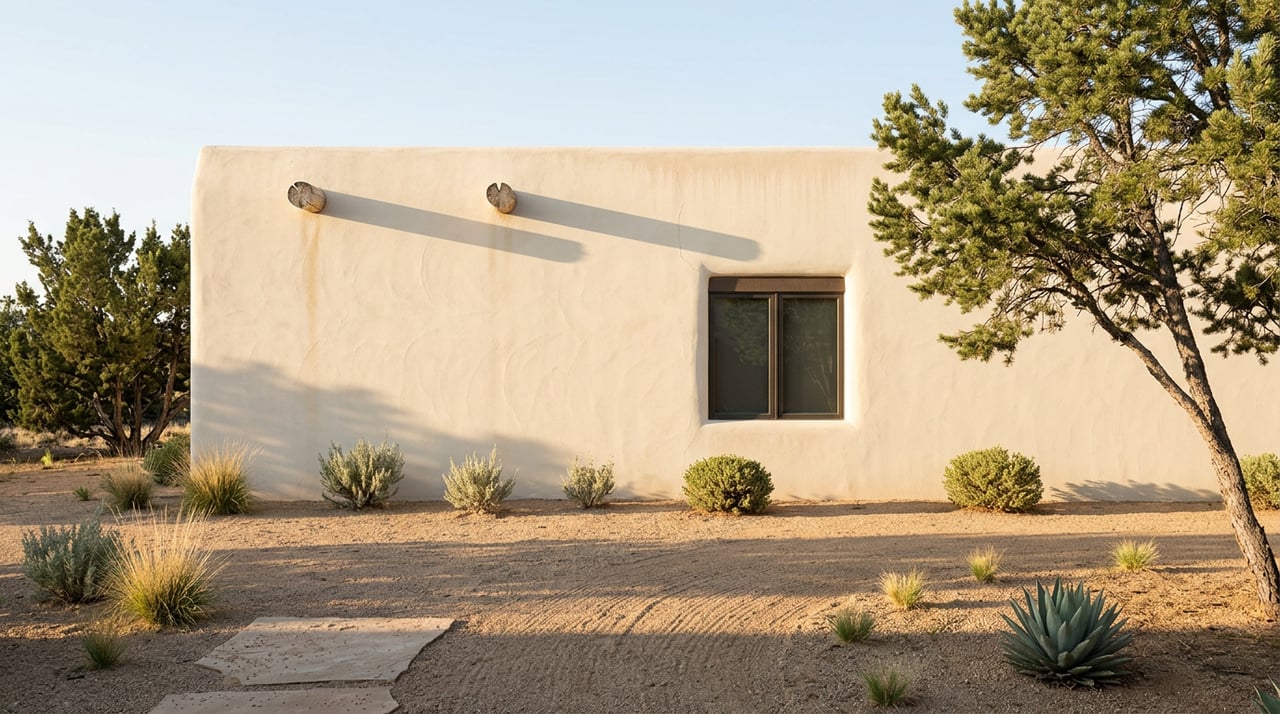
For design-minded buyers, the appeal often comes down to atmosphere. This is a part of Santa Fe where architecture, mature landscape, and topography can combine in a way that feels especially rooted in place.
Four Distinct Seasons, Strong Outdoor Access
Santa Fe’s climate plays a major role in the lifestyle here. The city has a semiarid climate with more than 320 days of sunshine, four distinct seasons, summer thunderstorms, and generally mild winters.
In practical terms, that means you can expect bright days for much of the year, with July highs averaging about 86 degrees and January lows near 20 degrees. Annual precipitation averages 12.79 inches, with the wettest stretch typically arriving in midsummer.
That pattern helps create a classic Santa Fe rhythm: dry air, bright light, and big skies, followed by brief monsoon storms that cool the afternoons and sometimes bring dramatic cloud formations and rainbows. It is a climate that tends to make outdoor living feel available across much of the year.
Outdoor Recreation Is Close By
Living north of the Plaza also puts you on a convenient path toward mountain recreation. Hyde Memorial State Park is a short drive from Santa Fe and offers hiking trails, campsites, and winter activities including snowshoeing, sledding, and cross-country skiing.
Farther up the mountain, Ski Santa Fe is 16 miles from the historic Plaza and operates on 660 acres of National Forest land with seven lifts and 73 runs. The area also supports summer hiking, so access is not limited to ski season.
For many buyers, that kind of proximity adds real value to day-to-day life. You can enjoy the city in the morning and head toward trailheads or mountain scenery later the same day.
The Seasons Shape the Mood
Each season brings a slightly different version of this neighborhood. Spring brings leaf-out and blossoms, including aspens, cottonwoods, fruit trees, lilacs, and forsythia, while runoff feeds the Santa Fe River.
Summer tends to feel active but not heavy. Wildflowers are at their best in July and August near the ski basin, and afternoon monsoon bursts can cool the air and sharpen the mountain views.
Autumn is often the clearest expression of the “big sky” feeling. The drive toward the ski basin passes through a giant aspen forest, and the first week of October is usually the best time for peak color.
Winter creates one of Santa Fe’s best contrasts. In town, the season is relatively manageable, while the mountains above hold a deeper snow season that supports skiing and other winter recreation.
What to Keep in Mind as You Search
If you are considering a home just north of the Plaza, it helps to think in gradients rather than broad labels. A property near the southern edge may offer easier pedestrian access to downtown and a more in-town feel, while a property farther north may trade some convenience for privacy, scenery, and a stronger foothill setting.
Road character matters here too. The corridor’s narrow, curving roads and lower speeds are part of its charm, but they also shape how a home feels on a daily basis.
In a market like Santa Fe, those details often matter as much as square footage. The right fit usually comes from aligning your routine with the micro-location, not just the map pin.
If you are drawn to quiet streets, cultural access, and the sense that the land starts to open up just beyond your front door, living north of the Plaza may be one of Santa Fe’s most compelling choices. And if you want help sorting through the subtle differences from one stretch of the corridor to the next, Ayden Gramm offers thoughtful, locally grounded guidance shaped by Santa Fe’s distinct neighborhoods and buyer priorities.
FAQs
What is the area north of the Santa Fe Plaza like?
- It begins as an in-town residential area near the historic core and gradually shifts into a quieter, more secluded foothill-edge setting as you move north along Old Taos Highway and Bishop’s Lodge Road.
Are homes north of the Plaza all single-family houses?
- No. Local records support a mix of housing types in the broader corridor, including detached homes and condo or attached-style residences.
Can you walk to downtown from north of the Plaza?
- It depends on the exact location. The southern edge is closer to Santa Fe’s most walkable core, while areas farther north tend to be more car-dependent.
What amenities are near Bishop’s Lodge Road in Santa Fe?
- Nearby amenities include downtown restaurants, galleries, museums, shops, the Santa Fe River walk, and the Ft. Marcy Recreation Complex with indoor fitness facilities and adjacent parks.
What is the weather like in the 87501 area of Santa Fe?
- Santa Fe has a semiarid climate with more than 320 days of sunshine, four distinct seasons, mild winters, warm summer days, and a midsummer monsoon pattern that brings brief afternoon storms.
Is outdoor recreation convenient from north of the Plaza?
- Yes. Hyde Memorial State Park and Ski Santa Fe are both within easy driving range, offering hiking, camping, snow play, cross-country skiing, and downhill skiing depending on the season.