

You fall in love with the light, the quiet, and the sweep of mountains along Old Santa Fe Trail. Then the questions start. How steep is that driveway in January? Will a well be allowed or will you need to connect to a public system? Which lots really hold those Jemez or Sangre views? This guide gives you a clear, buyer-focused playbook for weighing access, terrain, and views so you can choose the right property with confidence. Let’s dive in.
Old Santa Fe Trail at a glance
Old Santa Fe Trail runs from near downtown Santa Fe into the foothills, shifting from in-town large lots to multi-acre, more rural parcels as you head south. You can trace the near-downtown starting point around Museum Hill and Amelia White Park using the City of Santa Fe parks locator for context (City of Santa Fe parks locator).
Elevation sits around 7,000 to 7,300 feet, which brings cooler temperatures, strong sun, and winter snow and ice. For a route-level sense of the corridor’s altitude, review this local elevation reference (Old Santa Fe Trail elevation example).
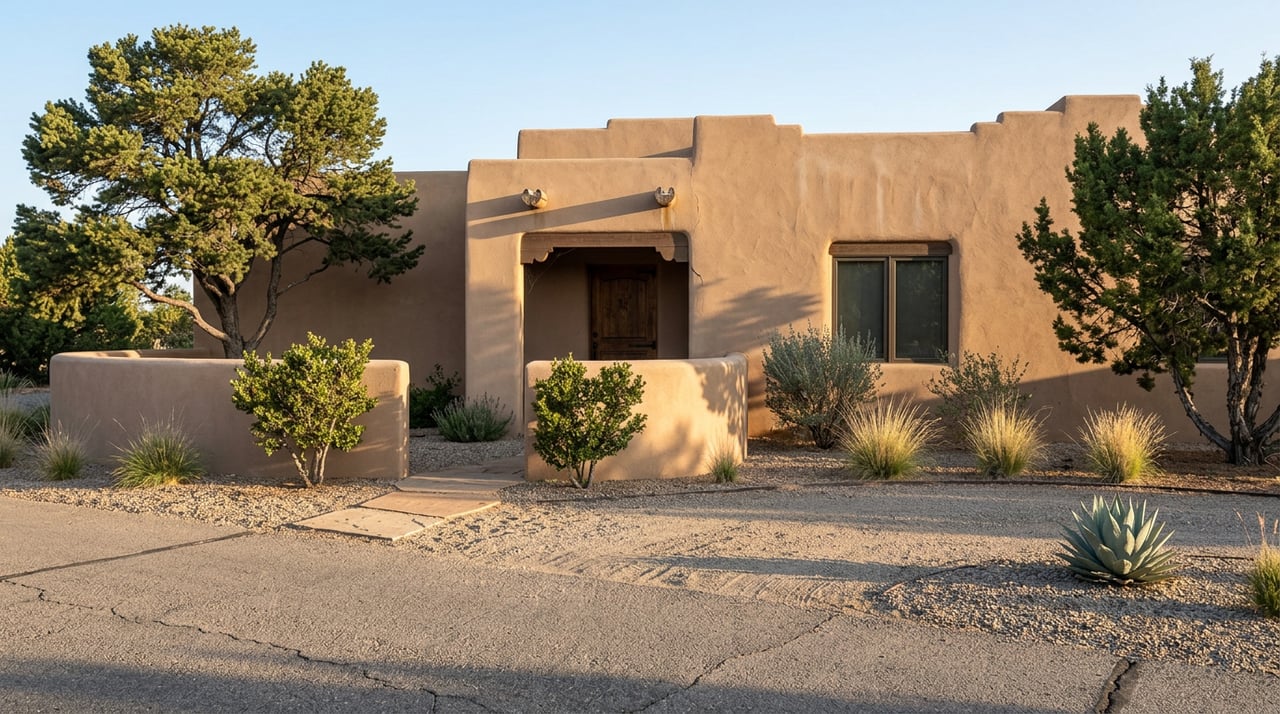
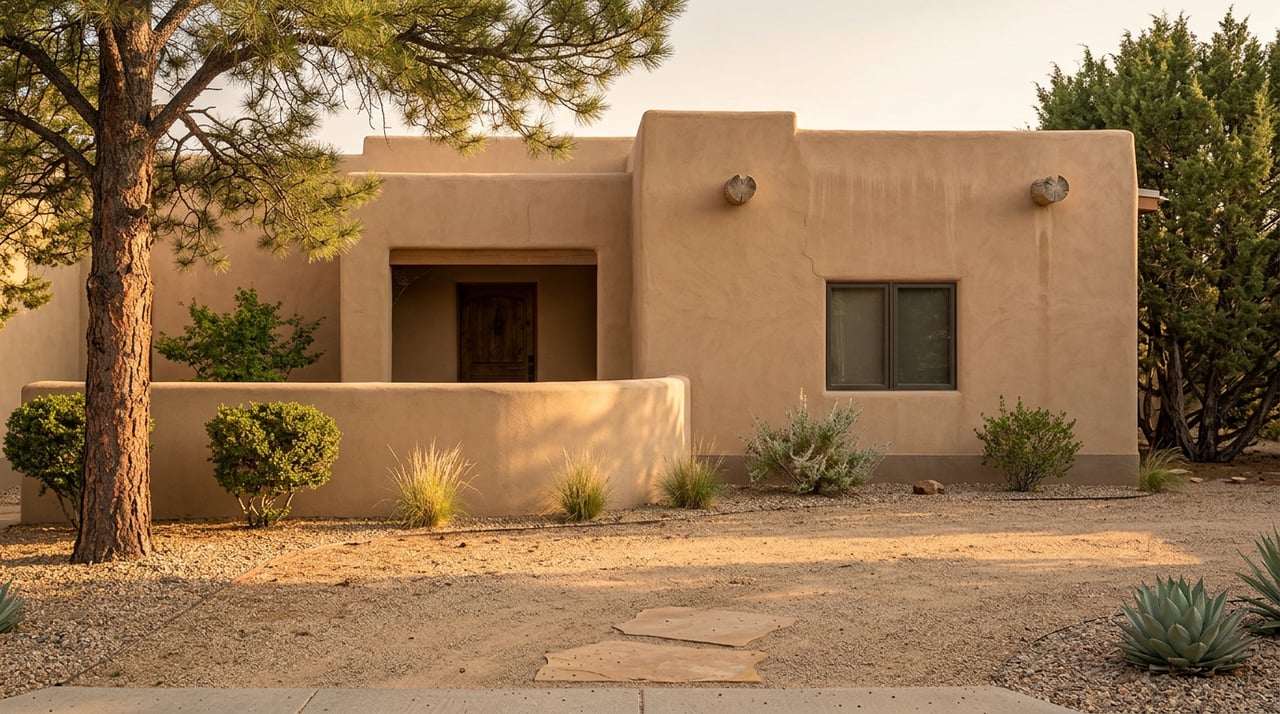
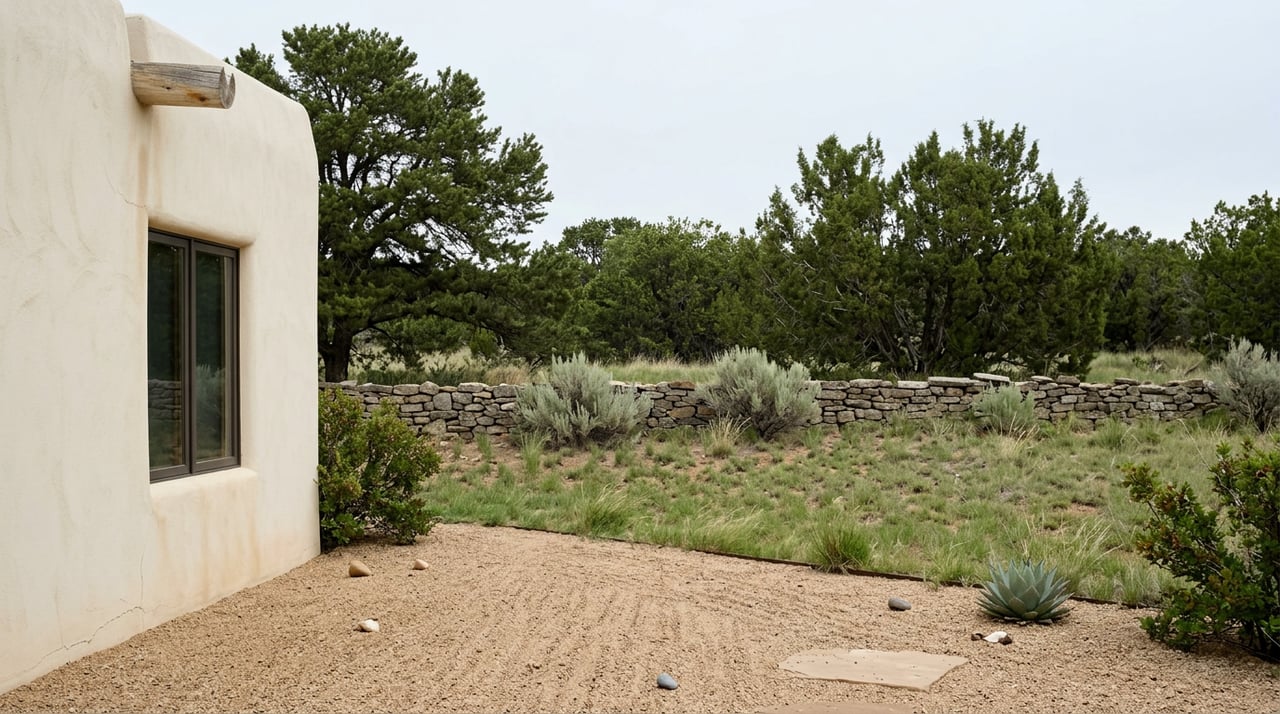
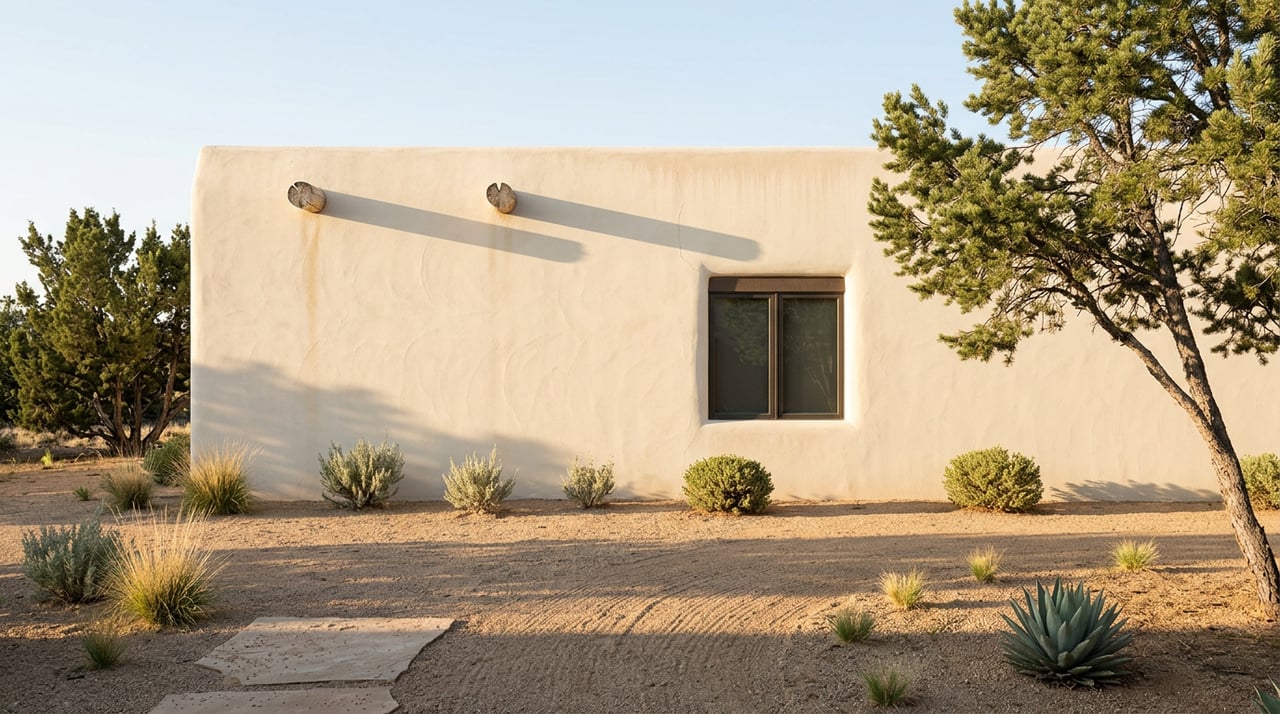
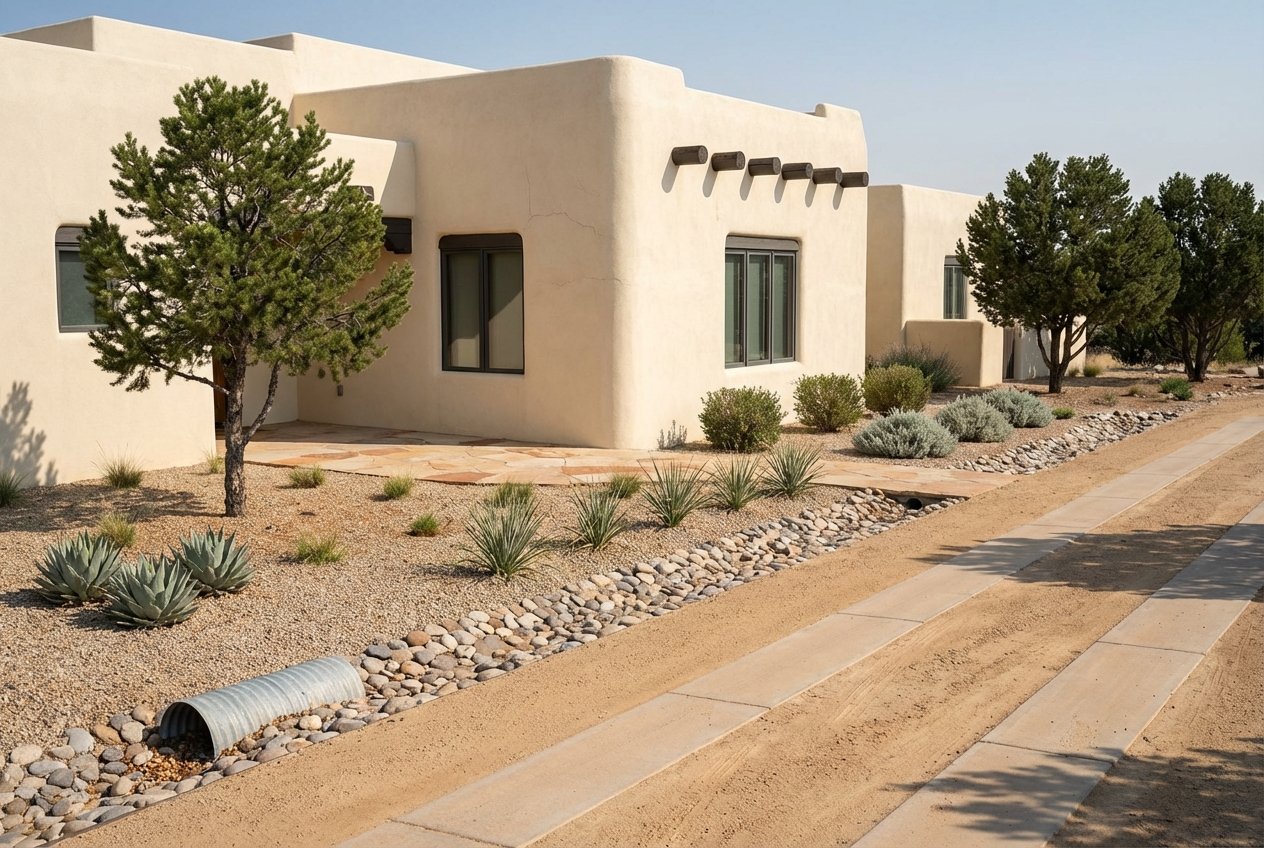
Architecture trends strong to Santa Fe and Pueblo Revival, often with Territorial influences. Expect thick, earth-toned stucco, vigas, deep portals, and restrained openings that fit local design heritage (Pueblo Revival architecture primer). In the foothills, many newer custom homes interpret these forms with contemporary plans.
What to expect by segment
- In-town near Museum Hill: larger lots, closer to city services, and potential historic or design review.
- Near-foothills: 1 to 5 acres, more privacy and views, a mix of public and private roads.
- Farther south: multi-acre estates and hobby ranches, more private utilities and longer driveways.
Access and winter readiness
Road surface and maintenance
Old Santa Fe Trail is paved through the in-town and nearer-foothills sections. Local running and cycling resources describe long paved stretches with shoulders (route overview). As you move beyond the developed corridor, surfaces transition to dirt or forest roads.
Maintenance depends on jurisdiction. Some segments are inside the City, others lie in unincorporated County, and many foothills parcels are served by private roads or lanes. Santa Fe County road and subdivision standards govern how new access is designed, but existing maintenance duties are usually spelled out in recorded plats or HOA documents. Always confirm whether the road to your parcel is public and which agency maintains it (Santa Fe County road standards reference).
Driveways and emergency access
Steep, narrow, or winding driveways raise two issues. First, they can slow emergency response if clearances or turnouts are not adequate. Second, upgrades may be required during permitting to meet fire access standards. The County’s fire guidance highlights minimum clear widths, vertical clearances, and the importance of keeping vegetation managed for access and safety (County fire guidance on protecting your home).
Winter travel at elevation
At roughly 7,000 feet, snow and ice are part of life on the corridor. Even a paved stretch can have shaded sections that stay slick, and long driveways may require frequent plowing. Budget for snow-clearing equipment or a service, and consider how a remote lot might experience short seasonal delays. Use local route references to understand elevation and grade changes along your daily path (Old Santa Fe Trail elevation example).
Terrain and buildability
Slope and ridgetop rules
Santa Fe County sets limits on building on very steep slopes and ridgetops. As a rule of thumb, structures are restricted on natural slopes at or above 30 percent. Ridgetop and shoulder areas often carry extra setbacks and one-story building limits. These standards shape how and where you can site a home and can influence design complexity and cost. Review the County’s Sustainable Land Development Code early in your process (County development code overview).
Bedrock, soils, and site costs
Foothills parcels often have shallow soils over rock. That can affect grading, foundation design, and whether a conventional septic field is possible. Expect to order a soils and geotechnical evaluation, and plan for a percolation test tied to the state’s on-site wastewater rules. In some cases, engineered foundations or alternative wastewater systems are required (New Mexico on-site wastewater rules, NMAC 20.7.3).
Water and wastewater
Municipal service areas vs. wells
Where a public or County utility is available within certain distances, Santa Fe County often requires you to connect rather than drill a new domestic well. These service-area and connection triggers are enforced during permitting, so it is essential to confirm utility boundaries for any given parcel (County water service and connection standards).
New Mexico allows statutory domestic wells, but local ordinances can be more restrictive. In County water service areas, a County domestic-well permit may also be needed. You should verify the Office of the State Engineer permit status for any existing well and confirm local well-drilling limits before you buy (OSE and County well-permit procedure overview).
Water is a scarce resource in the region, and conservation programs are common. Expect policies that limit irrigation budgets and encourage drought-tolerant landscaping (Santa Fe County waterwise resources).
Shared wells and community systems
In some foothills subdivisions, shared or mutual-domestic water systems serve multiple homes. These bring governance and funding details you must understand, such as easements, cost sharing for repairs, and limitations on new connections. The County code requires hydrologic support for many community systems, and recorded documents should spell out rights and duties (County utility standards reference).
Septic systems and permits
On-site wastewater systems are regulated under state rules. You will need a permit for new or modified systems, and connection to public sewer is usually required if it becomes available. Rocky or shallow soils can push you toward engineered alternatives, such as mound systems or aerobic treatment units. These systems can cost more to install and maintain and can involve monitoring obligations (NMAC 20.7.3 wastewater rules). For a real-world example of how complex wastewater solutions can be, review a recent local system update that required county and state approvals (local wastewater update example).
Wildfire resilience
Risk and defensible space
The Santa Fe foothills sit within a Wildland-Urban Interface, so wildfire is a managed and ongoing risk. The County’s Community Wildfire Protection Plan and related resources offer homeowner guidance on defensible space and vegetation management. Parcels may fall in priority areas for fuels work, which can reduce long-term risk and improve insurability (County wildfire resources and CWPP).
Insurance and home hardening
Insurers and lenders pay close attention to wildfire risk. Homes with ember-resistant vents, Class A roofs, clear gutters, and noncombustible decks are both safer and often easier to insure. Buyers should ask carriers how parcel risk influences coverage and premiums and should plan for defensible-space work as part of the first-year budget (County guidance on protecting your home).
Grants and community mitigation
Regional coalitions and consultants help secure and execute fuels-reduction projects that change risk profiles over time. It is worth checking planned or ongoing mitigation projects around your target parcel (overview of wildfire mitigation services).
Covenants, design, and neighborhood character
HOAs, covenants, and architectural control
Some foothills communities have recorded covenants and architectural review that control color palettes, materials, building heights, outbuildings, and more. Others have no private restrictions. Your title report and recorded plat should reveal any CC&Rs, easements, and maintenance obligations, including private road and shared-utility arrangements. Review these early, since they can shape what you can build and how you can use the property.
City historic design vs. County rules
Old Santa Fe Trail spans parcels inside the City and in unincorporated County. In-town and historic-core properties can be subject to design review that favors traditional Santa Fe styles, while County parcels follow different standards. The common aesthetic language across the corridor reflects Pueblo Revival and Territorial forms, both in historic homes and in contemporary interpretations (Pueblo Revival architecture primer).
What drives value on Old Santa Fe Trail
- Reliable water and service letters. Parcels with documented municipal or community water often command a premium compared to lots that depend on uncertain well yields. Confirm availability letters and any County connection requirements early (County water service standards).
- Septic feasibility. Lots that support a conventional system are often cheaper to develop. Engineered alternatives add cost and can narrow your buyer pool at resale (state wastewater rules).
- Access and driveway costs. Long, steep driveways or required road improvements can reduce net value. Near-town, paved frontage near cultural amenities tends to support stronger pricing (route overview for paved segments).
- Wildfire readiness. Hardened homes with proven defensible space are easier to insure and often preferred by buyers, which supports value (County guidance on protecting your home).
- Views, acreage, and authentic style. Unobstructed Jemez, Ortiz, or Sangre views and classic Santa Fe architecture remain top value drivers. High-end listings on or near the corridor often lead with those qualities to signal scarcity and appeal (market coverage of Santa Fe luxury view properties).
Your due diligence checklist
Use this list to move from online browsing to confident action on a specific lot or home:
- Confirm jurisdiction and service area. Is the parcel inside City limits, unincorporated County, or a subdivision with private roads? Check official maps and recorded plats first (City parks locator for area context).
- Verify water status. If a well exists, request the Office of the State Engineer permit number and well log. If no well, get written confirmation from the County or utility on required connections or drilling limits and whether a County domestic-well permit would apply (OSE and County well-permit procedure overview).
- Order soils, perc, and geotechnical studies. Tie your septic feasibility to state rules and budget for alternatives if shallow soils or rock limit conventional systems (New Mexico on-site wastewater rules).
- Pull title, plat, and recorded documents. Identify covenants, easements, road maintenance, and shared-system obligations before you commit.
- Request a wildfire and access assessment. Ask the local fire authority about risk level, planned fuels projects, and whether your driveway meets access standards (County wildfire resources).
- Confirm power and communications. Verify the distance to the nearest transformer, any line-extension costs, and broadband options. PNM is the primary electric provider in the area (PNM provider listing).
- Study local comps with context. City and County medians can diverge. Ask your agent how water, septic, access, and wildfire readiness affected pricing and days on market for recent Old Santa Fe Trail sales (recent market snapshot).
Bringing it together
Buying on Old Santa Fe Trail rewards careful preparation. When you combine clear access and winter readiness with proven water, feasible wastewater, and a site that respects slope rules, you reduce uncertainty and protect value. Then you can focus on what drew you here in the first place: the calm of the foothills, the sculptural quality of Santa Fe architecture, and those big-sky mountain views.
If you want parcel-specific guidance, coordination with engineers and title, or a second set of eyes on view corridors and design restrictions, schedule time with Ayden Gramm Real Estate. We help you balance lifestyle goals with analytical due diligence so your foothills decision feels both beautiful and wise.
FAQs
How does elevation on Old Santa Fe Trail affect daily life?
- Most properties sit around 7,000 to 7,300 feet, which means stronger UV, cooler temps, and winter snow and ice. Plan for sun protection, hydration, and snow-readiness for driveways and shaded road sections (elevation reference).
Who maintains roads serving homes along Old Santa Fe Trail?
- Maintenance varies by location. Some segments are City, others are County, and many foothills parcels use private roads or lanes. Confirm jurisdiction and maintenance duties through recorded documents and County standards (County road standards reference).
Can I drill a new domestic well if I buy a lot in the corridor?
- It depends on service-area rules. Where public or County water is available within required distances, the County often requires connection and can restrict new well drilling. Verify the OSE permit status for any existing well and check County rules before you buy (County water service standards, OSE and County well-permit procedure).
What should I expect for septic on a foothills parcel?
- A permit is required for new or modified systems, and rocky or shallow soils may push you to engineered alternatives that cost more and can add maintenance. If public sewer becomes available, connection is usually required (state wastewater rules).
How do I evaluate wildfire risk for a specific property?
- Ask for a defensible-space and access assessment from local fire resources and check if the area is targeted for fuels-reduction projects. Harden the home with ember-resistant vents, Class A roofing, and clear zones around structures to improve safety and insurability (County wildfire resources, home protection guidance).