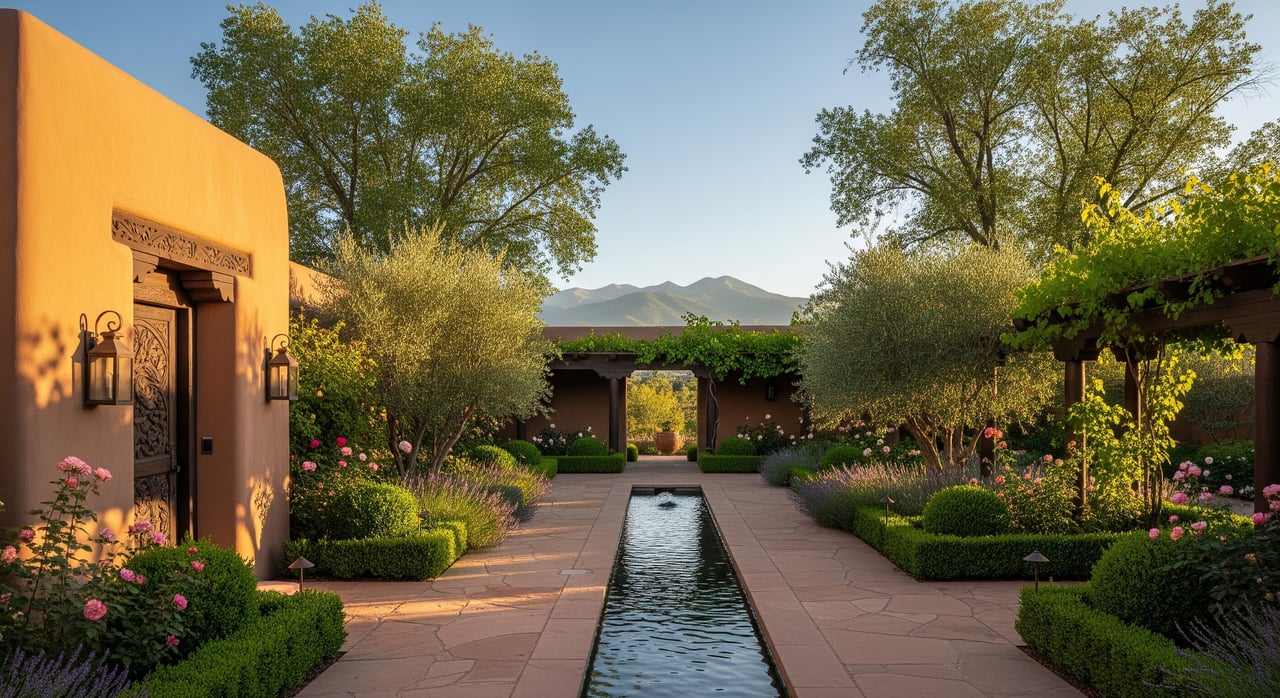


If you love Santa Fe’s light and culture but picture shade from cottonwoods, quiet courtyards, and room for gardens or horses, Tesuque may be the right fit. This small valley just north of the city blends historic roots with a relaxed, green feel that stands out in the high desert. You want privacy without losing quick access to trails, the ski basin, and Santa Fe’s galleries and dining. In this guide, you’ll learn how Tesuque lives day to day, what homes and lots look like, how water and acequias work, key risks to evaluate, and whether the area matches your lifestyle. Let’s dive in.
Tesuque at a glance
Tesuque is a village-and-valley setting tucked into the lower foothills of the Sangre de Cristo Mountains. It includes privately held ranch and residential parcels, unincorporated county land, and the historic Tesuque Pueblo. This mixed ownership influences development rules, access, and how neighborhoods take shape.
You will find a quieter, more rural cadence than in-town Santa Fe. The valley has long attracted artists and writers, and in recent decades it has drawn second-home owners and luxury buyers who value design, privacy, and landscape. The result is an intimate, low-scale community with a strong sense of place.
Landscape and why it feels lush
Tesuque’s green feel comes from its riparian corridors and historic irrigation. Along the valley floor, mature cottonwoods and willows follow stream channels and arroyos. Many legacy properties still use acequias to irrigate orchards, gardens, and lawns, creating shade and privacy that contrast with surrounding uplands.
These planted landscapes soften sound and wind, and they support outdoor rooms and courtyards that expand living space most of the year. The combination of water, trees, and varied topography gives parts of Tesuque a park-like quality that is rare in the region.
Acequias and water basics
Acequia systems are central to Tesuque’s landscape. Acequia associations govern distribution of irrigation water, separate from domestic potable water. Membership can come with obligations for maintenance and rights to use irrigation flows.
If you are eyeing gardens, orchards, or a pond, confirm whether a property has acequia rights, how water is delivered, and what seasonal flows look like. Also verify your domestic water source, since wells, municipal connections, and shared systems operate under different rules and permits. Water planning matters here, especially for new construction.
Trails and recreation access
Set at the base of the Sangre de Cristo range, Tesuque provides quick access to forest land and trail networks for hiking, mountain biking, and horseback riding. The regional ski area and Santa Fe’s popular trail systems are a practical drive away, with exact times varying by parcel location. Many residents choose Tesuque to balance quiet at home with easy outdoor time.
Environmental risks to weigh
Like many foothill areas, Tesuque includes properties with wildfire exposure where native piñon-juniper and ponderosa stands are present. Defensible-space planning and early conversations with insurers are smart first steps.
Riparian and arroyo dynamics can also bring episodic flooding or erosion. Site-specific floodplain and drainage reviews help you understand where water moves during heavy storms. Long-term drought and water availability should guide landscaping plans, well expectations, and any new build.
Architecture and homes
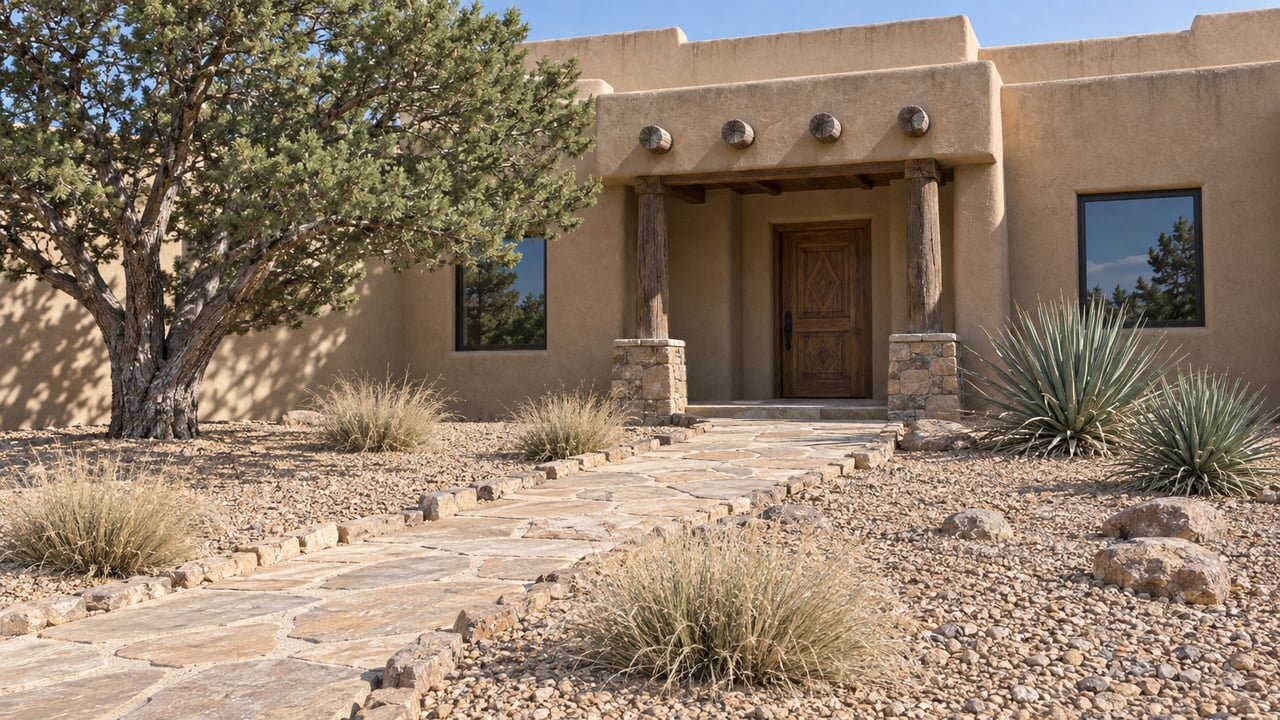
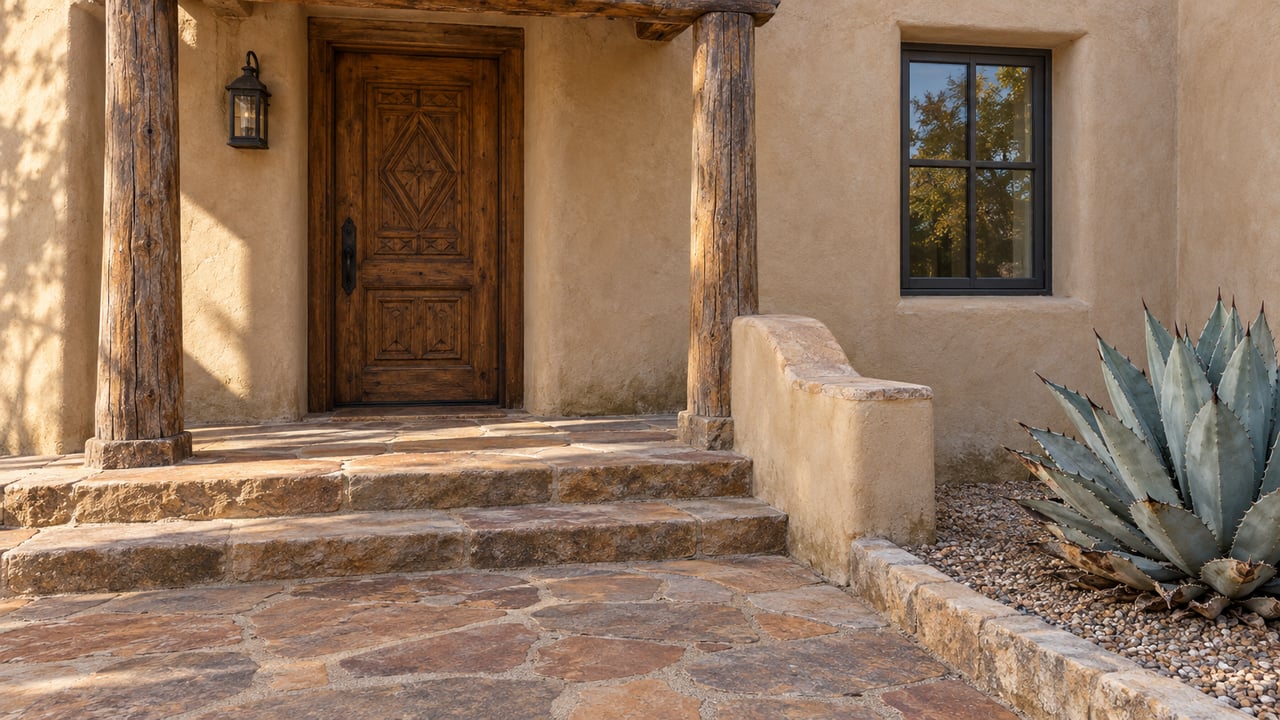
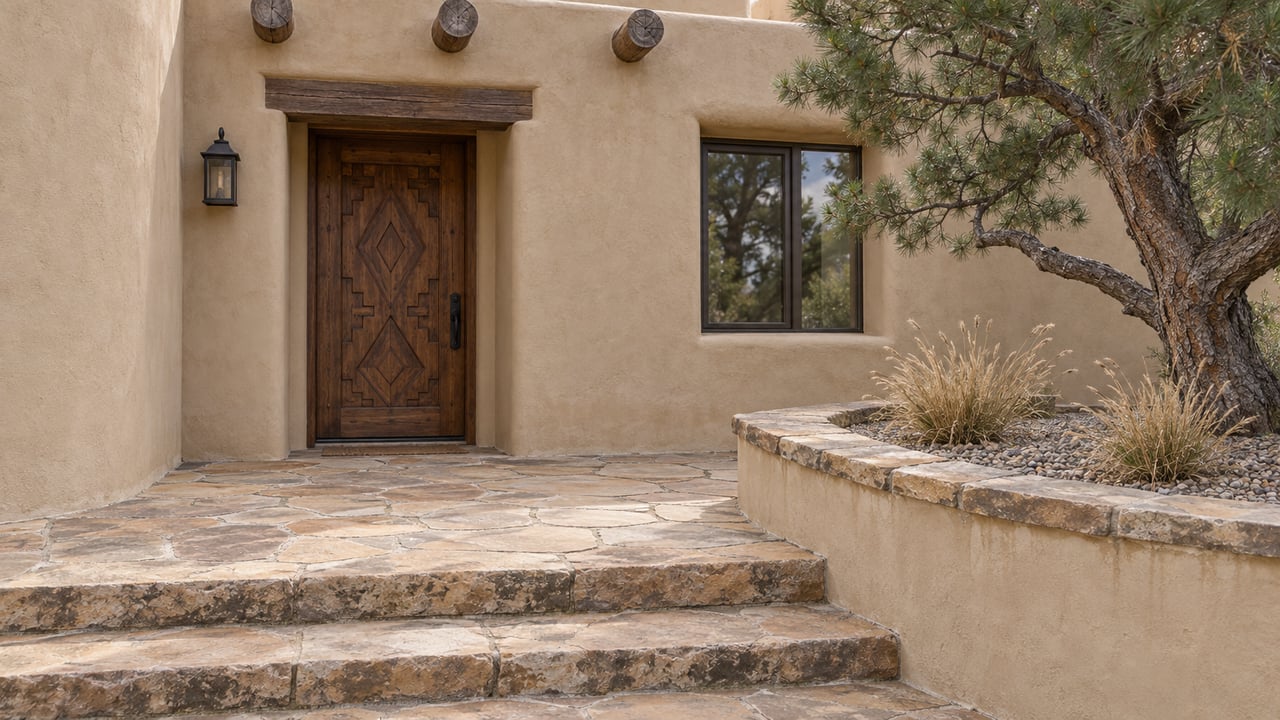
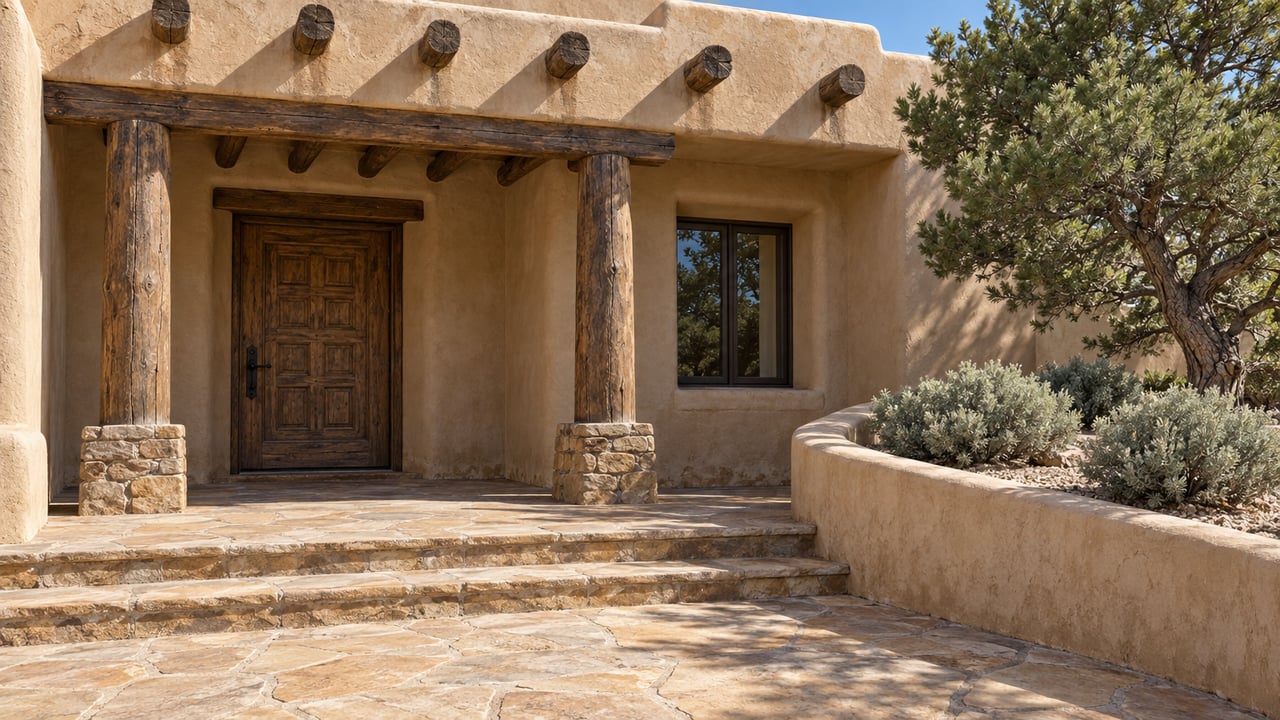
Tesuque’s homes range from historic to contemporary, often with a strong design identity. You will see Pueblo and Pueblo Revival, Spanish Colonial and Hacienda forms, and Territorial styles. Look for thick plaster or adobe walls, flat roofs, vigas and latillas, kiva fireplaces, and courtyards that frame light and views.
Many newer luxury homes blend time-honored forms with modern interiors. Large glazing, open plans, reclaimed wood, local stone, and site-responsive massing are common. Deep overhangs, passive solar moves, and courtyards help manage light and temperature while keeping spaces connected to the landscape.
Lot patterns and privacy
Lot sizes vary widely. Around the village core, small lots cluster near services, while ranch parcels and estate properties span several acres or more for privacy, equestrian uses, or gardens. Compared with master-planned communities, Tesuque’s development is more organic and parcel-by-parcel, with fewer formal HOAs.
If you value privacy, sightlines, and the ability to customize outdoor areas, Tesuque’s larger holdings are a draw. As always, confirm access and maintenance responsibilities where private roads or long drives are involved.
Amenities in luxury properties
High-end Tesuque homes often include:
- Private courtyards and outdoor kitchens for year-round living.
- Water features or ponds tied to irrigation.
- Guesthouses or ADUs for hosting and privacy.
- Stables and equestrian facilities on acreage parcels.
- Art studios and flexible creative spaces.
- Radiant floors, on-demand hot water, and integrated home automation.
Design review and permitting
Permitting depends on where the parcel sits. County parcels follow Santa Fe County codes and building permits. Tribal lands follow tribal governance and cultural protocols. Unlike many in-city locations, county areas often have fewer historic overlays, though you still need site plans, building permits, and septic and well approvals as applicable. Engage local architects and builders who know adobe, plaster, and regional codes.
Daily life and amenities
The daily rhythm is quiet and nature-oriented. You will likely drive into Santa Fe for groceries, banking, and medical care. Museums, major galleries, fine dining, and performance venues are also in Santa Fe, a short drive from the valley.
Families typically access Santa Fe Public Schools or private schools in the area. School assignment and commute times depend on specific parcel location. Utilities are a mix of municipal and private services. Many rural parcels use wells and septic systems, and internet or cell coverage varies by site. Confirm service levels before you purchase, especially on remote acreage.
Who Tesuque suits
Best fits
- Buyers who value privacy, larger lots, and a closer connection to nature.
- Design-conscious owners who want architectural authenticity or custom homes.
- Gardeners and equestrians who need land for cultivation or animals.
- Second-home buyers seeking a quiet base near Santa Fe’s cultural life.
- Owners who prefer fewer HOA constraints and more site-specific design freedom.
Might not fit
- Buyers who want daily, walkable access to dense urban amenities.
- Homeowners seeking a full-service, resort-style gated community with centralized amenities. Those are better served in planned enclaves elsewhere in the market.
How Tesuque compares
Versus Downtown and Eastside
Downtown and the Eastside offer smaller historic lots, strong preservation overlays, and immediate access to galleries and dining. Tesuque trades that walkability for more acreage, privacy, and a greener, rural feel.
Versus Las Campanas
Las Campanas is a master-planned, gated environment with golf and a strong HOA. Tesuque is more organic, with fewer HOAs, greater architectural variety, and a closer link to acequias and the valley landscape.
Versus Eldorado and La Cienega
Eldorado has a suburban-ranch framework with planned infrastructure. La Cienega is rural with an arts and equestrian culture. Tesuque shares the rural appeal but stands apart with riparian corridors, proximity to the foothills, and a notable concentration of high-end custom homes in several pockets.
Buyer checklist and next steps
Use this quick list to guide due diligence:
- Confirm land ownership context: private parcel, county jurisdiction, or proximity to tribal trust land. Sovereign tribal lands follow tribal governance that can affect access and easements.
- Verify domestic water: municipal connection, shared system, or private well. For wells, obtain yield and quality reports.
- Clarify irrigation: acequia membership, water rights, delivery method, and any association responsibilities.
- Evaluate wastewater: existing septic system records or percolation tests and permits for new systems.
- Review site hazards: wildfire exposure, defensible-space requirements, and floodplain or arroyo dynamics.
- Confirm utilities: electrical capacity, propane and solar options, and broadband or cell coverage.
- Check title items: conservation easements, scenic or deed restrictions, and any covenants that affect use or further subdivision.
- Understand access: private road maintenance, snow removal obligations, and winter logistics for drives and hillsides.
- Plan your build: engage local architects and builders familiar with adobe, plaster, and county or tribal permitting.
Expect a longer due diligence period on acreage or rural properties. Surveys, water and septic feasibility, topographic and drainage reviews, and title work for easements are common. If a parcel is near tribal lands, include a boundary check and understand neighboring governance. A methodical approach will protect both your enjoyment and your investment.
Work with a trusted local advisor
Tesuque rewards buyers who value design, landscape, and privacy, and who approach water, access, and permitting with care. You want a partner who can balance the creative side of living well with the practical details that make ownership smooth.
Ayden Gramm Real Estate offers boutique, principal-led representation with investor-level diligence and a refined eye for architecture. Whether you are exploring a shaded hacienda, a modern compound with orchards, or an equestrian estate, we help you evaluate land, water, and structure with clarity and connect you to the right local experts.
Ready to explore Tesuque with a thoughtful plan? Schedule your next step with Ayden Gramm Real Estate.
FAQs
What makes Tesuque feel greener than Santa Fe proper?
- Riparian corridors, mature cottonwoods and willows, and historic acequia irrigation create a shaded, park-like feel that contrasts with the surrounding high desert uplands.
How do acequia water rights work for Tesuque homeowners?
- Acequia irrigation is separate from domestic water, with association governance, membership obligations, and seasonal allocations that you should confirm during due diligence.
What should I know about wildfire and flood risk in Tesuque?
- Foothill parcels can face wildfire exposure and riparian or arroyo areas can see episodic flooding, so review defensible-space needs, floodplain maps, drainage, and insurance early.
Can non-tribal buyers purchase land within Tesuque Pueblo?
- Tribal trust lands are sovereign and not available for non-tribal purchase, so most buyers transact on privately held parcels or county lands and should verify nearby jurisdiction.
Are there HOAs or gated communities in Tesuque?
- Formal HOAs are less common than in master-planned areas, and development is more organic parcel by parcel, which often gives owners greater design flexibility.
How close is Tesuque to skiing and Santa Fe’s cultural district?
- The valley offers practical driving access to the regional ski area, trail networks, and Santa Fe’s museums and galleries, with exact travel times varying by specific parcel location.