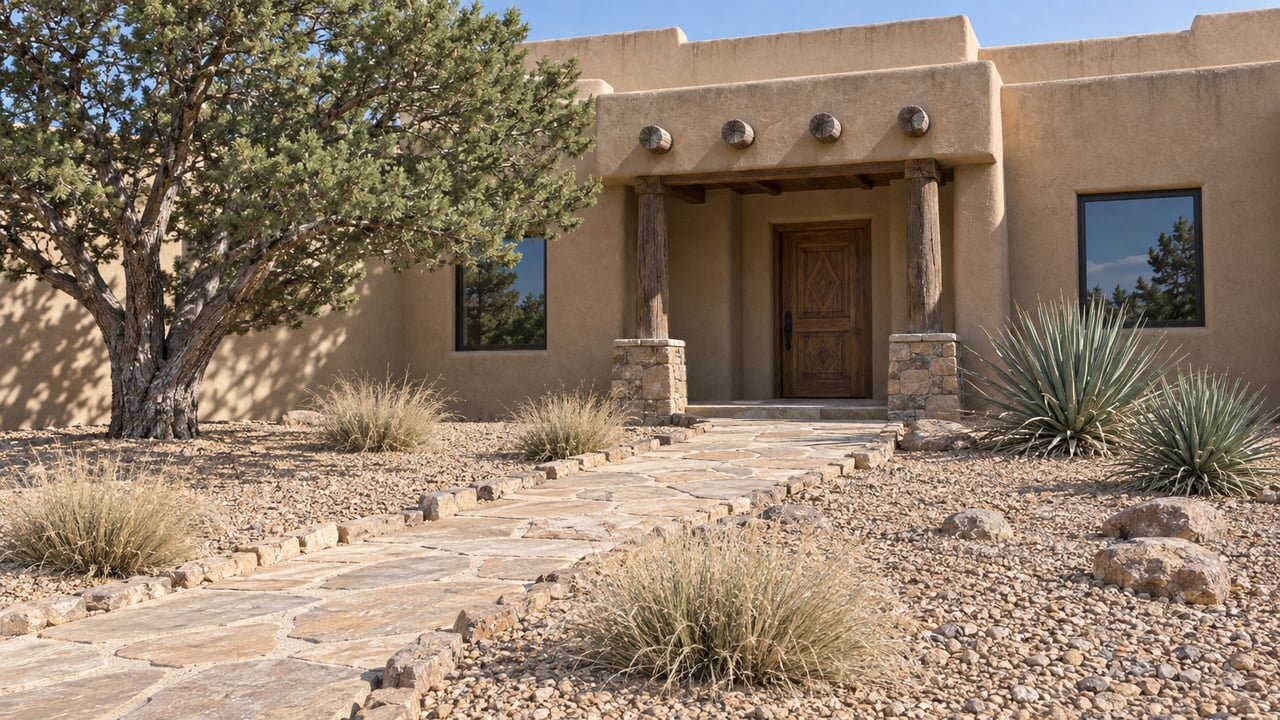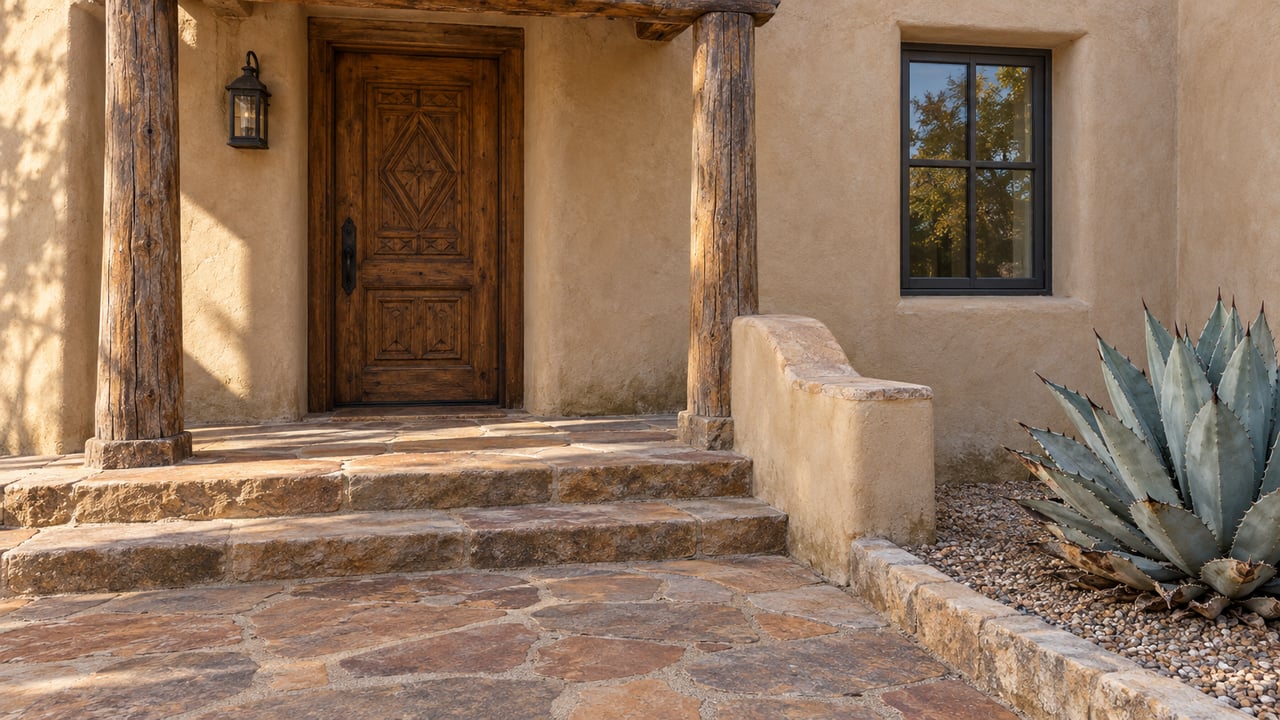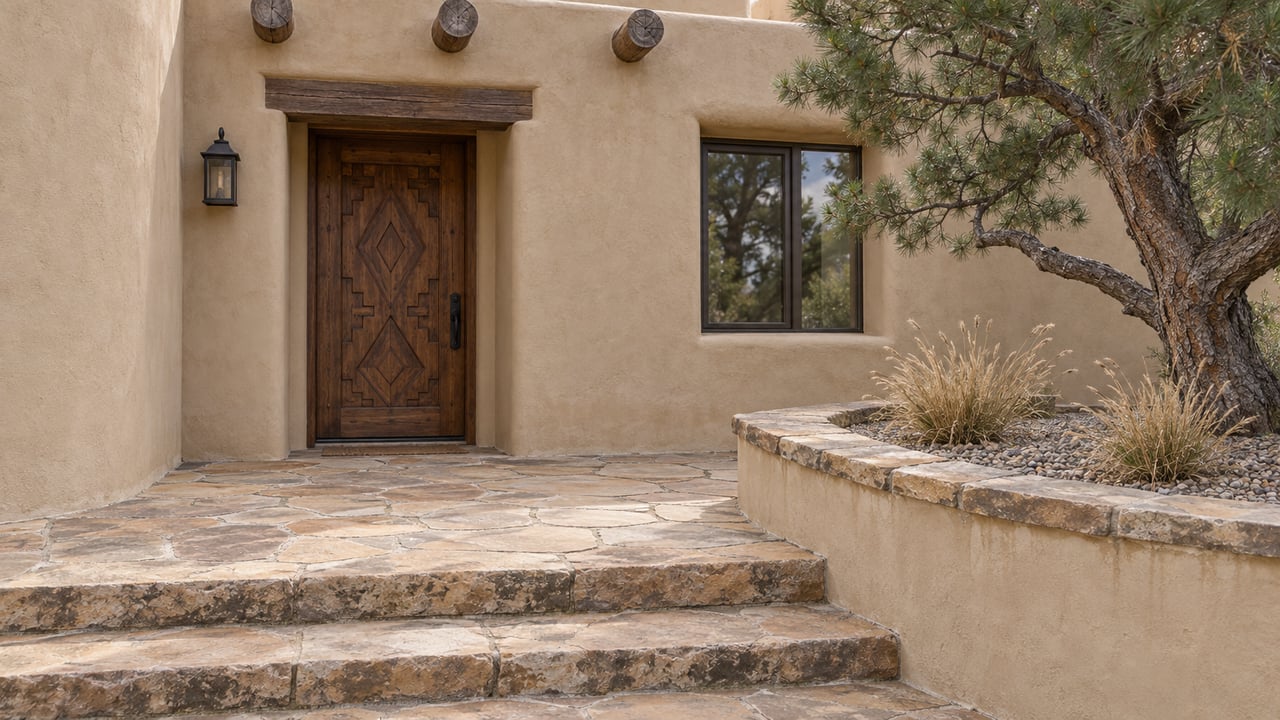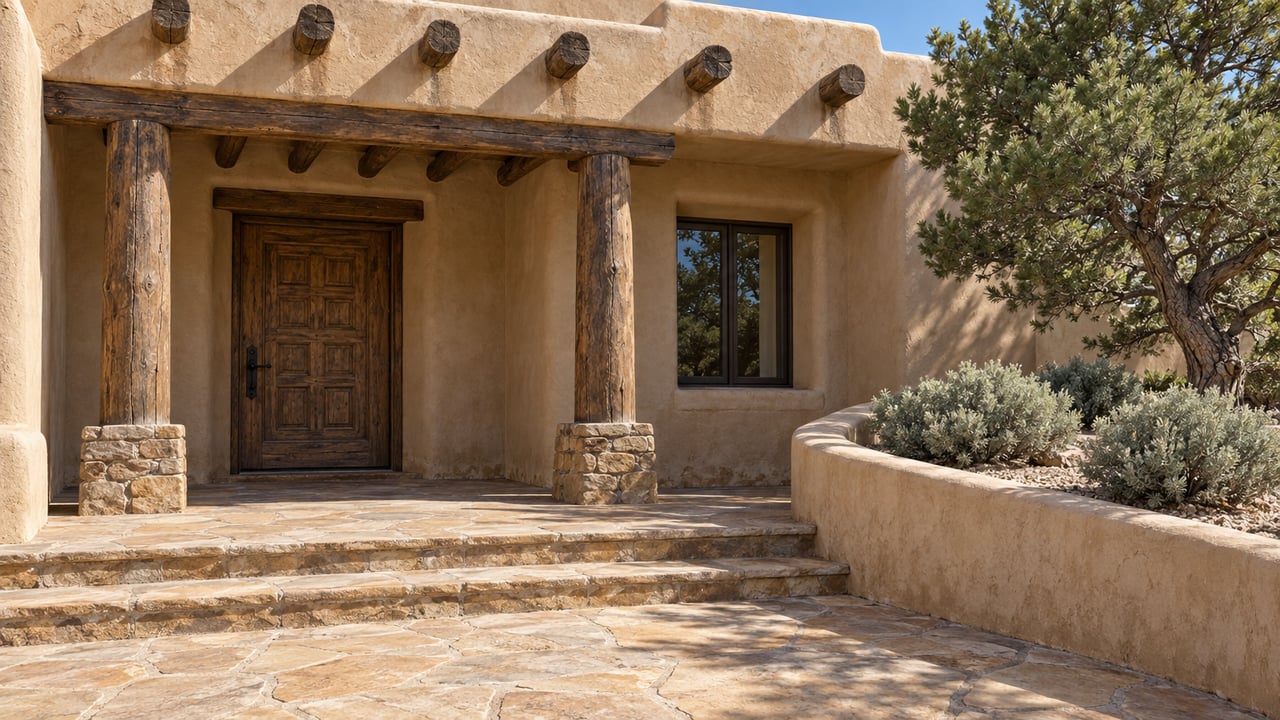


Two Tesuque properties can list for close to the same price, sit less than two miles apart, and come with entirely different rights to the most basic resource on the parcel. One might carry a share in a centuries-old irrigation ditch. The other might rely on a well that, under a federal court order described by The Santa Fe New Mexican, cannot legally water anything outside the house. Neither fact shows up in the square footage, the photos, or the price per acre. It shows up in a records search that most buyers don't know to run until an agent or an attorney flags it.
That gap is the real story in Tesuque right now, and it's a more useful lens than the median price a buyer might see on a portal search.
What the Median Actually Shows
As of April 2026, Tesuque homes were listing at a median price near $1.2 million, or about $295 per square foot. That figure sits well above Santa Fe County's broader median, which came in at $885,000 for the second quarter of 2026, up 4.4 percent year over year, as the Santa Fe New Mexican reported on the county's second-quarter figures. So Tesuque commands a real premium over the county at large. That much tracks with what most buyers already assume about a historic river valley community minutes from the Plaza.
What the premium doesn't tell you is what you're actually buying alongside the house. In a platted subdivision, a median price per square foot is a reasonably honest signal because the underlying infrastructure, utility water, sewer, HOA-maintained roads, is standardized across the community. Tesuque doesn't work that way. The valley floor was carved into water shares generations before any subdivision plat existed,
Why the Ditch Still Runs the Show
The Rio Tesuque and its network of acequias predate the county itself. According to the Santa Fe Conservation Trust, the valley today is still served by five separate acequia associations with more than 150 registered water users among them. Those ditches aren't decorative.
Owning a share in one of those acequias, being a parciante, comes with real obligations as well as real value. Under longstanding New Mexico water law, an acequia gains a legal easement after five years of continuous use, and that easement includes the right for a mayordomo or a cleaning crew to cross private property to reach and maintain the ditch, according to the New Mexico Acequia Association's guidance on acequia easements. A new owner who fences off that access, or who has never heard of the spring cleaning schedule, can find themselves in a dispute over a right-of-way they didn't know existed on land they just closed on.
Why a Well Permit Isn't a Blank Check
Move away from the river toward the hilltop parcels around Tesuque Ridge or the properties known locally as sitting atop the valley, and the picture flips. Many of those homes rely entirely on private domestic wells, with no acequia share at all. That sounds simpler. It often isn't.
The Nambé-Pojoaque-Tesuque basin has been under water rights adjudication since 1966, and as of the New Mexico Acequia Association's most recent governance handbook, the case still had not been fully resolved. One consequence of that decades-long process is a 1982 federal injunction that limited most domestic wells drilled after 1983 to half an acre-foot of water a year, for indoor use only. Some earlier permits were allowed up to 0.7 acre-feet, still restricted to indoor use. A 2013 Santa Fe New Mexican report captured what this looks like in practice: a Tesuque resident who had owned her home since 2008 discovered her well permit limited her to 0.7 acre-feet indoors only, while a neighbor in nearby Cuyamungue received a letter proposing to cut his permit from three acre-feet down to half an acre-foot, with no outdoor watering allowed at all. Neither owner had been told about the restriction at closing.
A buyer looking at a hilltop property with mature landscaping should ask a direct question: is that landscaping being watered under a permit that actually allows it, or is it running on borrowed time?
Three Water Profiles Behind One Price Tag
A useful way to think about any specific Tesuque property is to place it into one of three rough categories, since the category matters more to long-term ownership than the finish level of the kitchen.
- A valley-floor parcel with an acequia share, typically found along Bishop's Lodge Road or on land tracing back to old farmland and homesteads, carries easement obligations to the ditch association.
- A hilltop or ridge parcel, such as those in Tesuque Ridge or the area known as Top of Tesuque, typically has no acequia access at all and depends entirely on a private well, which may be capped for indoor use only depending on when it was drilled.
- A property with both a well and a share in one of the valley's acequia associations sits in the strongest position, with a backup water source, but also carries the most paperwork to verify before closing.
None of these categories is visible from a listing sheet. All of them affect what the land can actually support for the life of the ownership.
What to Confirm Before You Write an Offer
The standard due diligence checklist, title search, survey, inspection, doesn't automatically surface water rights in a place like Tesuque. Before writing an offer on a Tesuque property, it's worth asking the seller or listing agent for three specific things: the well permit number and its stated use limitation, whether the parcel carries a share in any of the valley's acequia associations and which one, and whether that water right has been formally adjudicated or remains part of the still-open Nambé-Pojoaque-Tesuque case. A seller who can produce clean answers to all three has likely already done the work that protects the next owner. A seller who can't is handing that work to you, and it's worth pricing that effort into your offer rather than discovering it during a longer than expected closing.
Frequently Asked Questions
Does every property in Tesuque have access to an acequia? No. Acequia shares are tied to specific parcels along the valley floor with a documented history in one of the five associations. Hilltop and ridge properties generally have no acequia access and rely on private wells instead.
Can I count on a well to water a large garden or pasture in Tesuque? Not automatically. Many wells drilled after 1983 in this basin are limited to half an acre-foot a year for indoor use only, under a federal injunction tied to the Aamodt water rights case. Confirm the actual permitted use of any well before assuming it covers outdoor irrigation.
Is the water rights situation in Tesuque ever going to be fully settled? The underlying adjudication of the Nambé-Pojoaque-Tesuque stream system has been open since 1966. That's part of why a records check at the time of purchase matters more here than in a newer platted community.
Water rights in Tesuque reward the buyer who asks the right question before falling for the right view. If you're comparing properties in the valley and want a clear read on what each one actually carries, Ayden Gramm Real Estate can walk you through the specific due diligence a Tesuque purchase calls for. Schedule a Consultation before you write an offer, not after.
This article is general information, not legal, tax or financial advice. Consult a qualified professional about your situation.