

Wondering what it actually feels like to spend a day in Santa Fe’s Historic Eastside and along Canyon Road? This part of the city is more than a postcard view. If you are exploring Santa Fe as a visitor, future buyer, or second-home shopper, it helps to picture the pace of daily life here. In this guide, you’ll get a grounded look at the neighborhood’s rhythm, character, and what makes it one of Santa Fe’s most distinctive places. Let’s dive in.
Historic Eastside at a glance
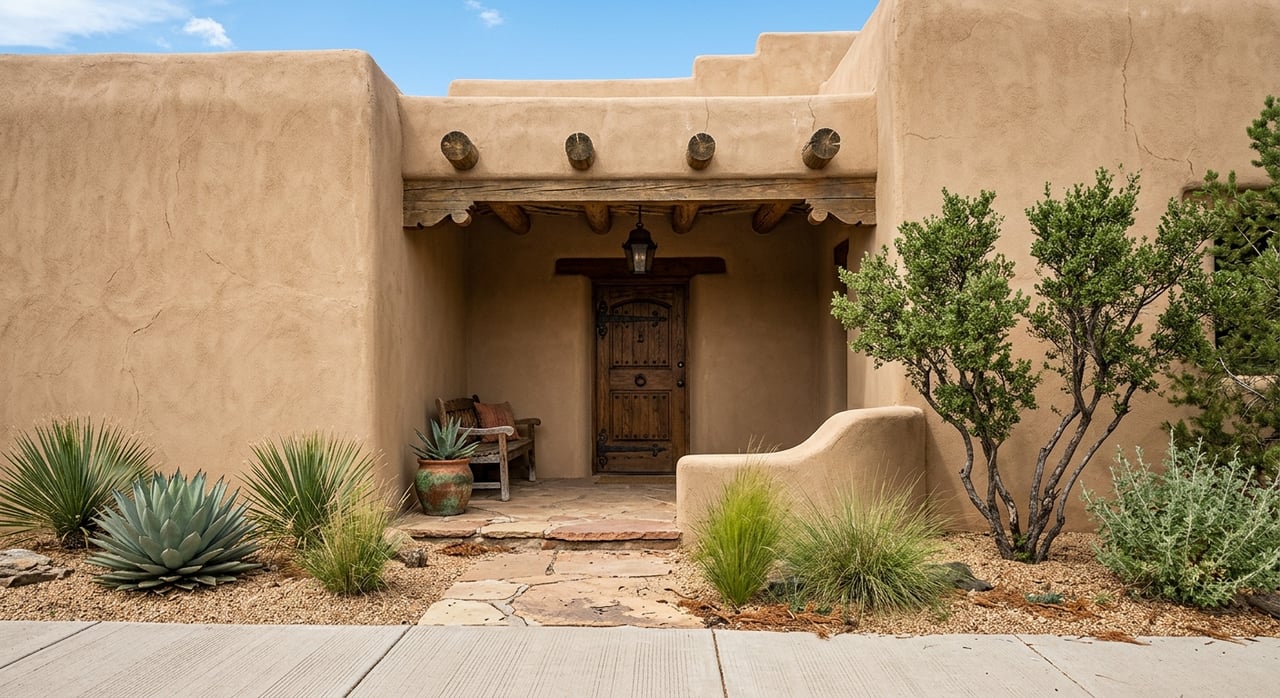
Historic Eastside is part of Santa Fe’s Downtown and Eastside Historic District, which includes downtown as well as Canyon Road, Acequia Madre, Camino del Monte Sol, and East Palace Avenue. The City of Santa Fe identifies this larger district as home to some of the city’s oldest and best-preserved Spanish-Pueblo and Territorial architecture, along with revival styles and historic planning features like narrow streets, a central plaza, and an acequia network.
That historic setting shapes the feel of the neighborhood in a very real way. This is not a historic area in name only. It is a preserved part of the city where architecture, streetscape, and exterior changes are treated as part of Santa Fe’s historic fabric.
Why Canyon Road stands out
Canyon Road gives the clearest sense of what makes this area special. Tourism Santa Fe describes it as the highest-density gallery corridor in the United States, with more than 100 galleries along a half-mile, tree-lined, pedestrian-friendly stretch.
What makes it memorable is the mix of art and residential scale. Many of today’s gallery spaces were once private homes, so even while the road is active and culturally rich, it still feels intimate and rooted in neighborhood life.
Start your morning slowly
A day here begins best on foot. The adobe-lined streets, mature trees, and quiet residential lanes create the kind of setting that invites a slower start.
For a coffee stop, Downtown Subscription is a longtime Eastside choice known for coffee, pastries, light food, and a garden patio. If you are already along Canyon Road, The Teahouse offers coffee drinks in a garden setting. If your route takes you toward downtown, 35° North Coffee is near the Plaza.
Walk the neighborhood streets
Part of the charm of Historic Eastside is what happens between destinations. You are not just moving from one business to another. You are passing old walls, garden gates, and homes that reflect the layered architectural history of Santa Fe.
This is one reason the area appeals to buyers who want more than convenience. The setting offers continuity, texture, and a sense of place that feels hard to replicate in newer neighborhoods.
Spend midday on Canyon Road
Midday is when Canyon Road really comes alive. The gallery mix spans contemporary, traditional, Western, Native American, and abstract art, so you can browse at your own pace and move easily from one space to the next.
Because the road is pedestrian-friendly, the day tends to unfold naturally. You can step into a gallery, pause in a courtyard, and continue walking without needing to plan every stop. That easy rhythm is a big part of the lifestyle here.
Look beyond the galleries
Canyon Road is not only about art. Tourism Santa Fe also points to places like the Historic Santa Fe Foundation, the Santa Fe Friends meetinghouse, Gormley Lane, Johnnie’s Cash Store, Patrick Smith Park, and Project Tibet.
Those stops add depth to the experience. They help explain why the area feels like a cultural corridor rather than a single-use shopping district.
Pause for lunch and people-watching
By lunch, you have plenty of options without leaving the historic core. Official tourism materials note that Canyon Road includes small eateries, cafes, and award-winning fine-dining restaurants.
You can also extend the day toward downtown and the Plaza. The broader district connects easily to historic courtyard dining and the more public energy of the city center, which makes it easy to shape the day around your own pace.
Let the Plaza widen the experience
The Plaza is part of the same historic core, and it adds an important layer to Eastside life. Tourism Santa Fe describes the Plaza as the heart of downtown Santa Fe for nearly 400 years, serving as a place for markets, community gatherings, concerts, and civic events.
That connection matters if you are thinking like a buyer. Historic Eastside offers a residential setting, but it is not isolated. You are close to one of Santa Fe’s central public spaces and the cultural activity that comes with it.
Slow down into the afternoon
The afternoon here is less about checking off sights and more about staying present in the setting. Maybe that means another gallery stop, a longer meal, or a walk down a side street that catches your eye.
This is where Historic Eastside often makes its strongest impression. It balances access to art, dining, and downtown with a quieter, more layered neighborhood feel.
End the day with dinner
Evening shifts the tone from browsing to lingering. On Canyon Road, Geronimo is a long-standing fine-dining destination at 724 Canyon Rd. that helps anchor the area after dark.
Closer to the Plaza, La Casa Sena offers dining in a historic courtyard setting. Both examples reflect the neighborhood’s overall character, where the experience feels tied to place, architecture, and atmosphere rather than speed.
Seasonal events add local rhythm
Part of what makes this area feel alive year-round is its event calendar. Santa Fe’s gallery scene includes Friday evening openings throughout the year, with more frequency in summer, and Canyon Road hosts artist-led events and outdoor festivals.
In winter, the annual Christmas Eve Farolito Walk gives Canyon Road a distinct holiday atmosphere. It feels both public and deeply local, which says a lot about the way this neighborhood blends celebration with tradition.
What buyers should know
If you are considering a home in Historic Eastside or near Canyon Road, the biggest takeaway is that this area offers a rare combination of residential texture, cultural density, and walkable access to downtown. That mix is a large part of its long-term appeal.
It is also important to understand that ownership here comes with a preservation context. The City of Santa Fe Historic Preservation Division assists property owners in the city’s historic districts, and exterior modifications generally require an application and, when needed, review by the Historic Districts Review Board.
Historic ownership has extra layers
For some buyers, that oversight is part of the appeal. It helps protect the visual language of the district and supports the continuity that makes the neighborhood feel so intact.
For others, it means asking practical questions before purchase. If you are considering updates to a property’s exterior, it is worth understanding the review process early so your plans align with local requirements.
Why this area resonates
Santa Fe describes itself as one of America’s most historic and artistic destinations, with more than 250 galleries, more than 20 museums, and UNESCO Creative City status. Historic Eastside and Canyon Road bring that broader identity into daily life in a particularly direct way.
You are not just near Santa Fe’s culture here. You are living inside one of its most enduring expressions of it. For many buyers, that is exactly the draw.
If you are thinking about buying or selling in Santa Fe’s historic core, working with a brokerage that understands neighborhood nuance matters. To talk through lifestyle fit, property strategy, or the realities of owning in Historic Eastside, connect with Ayden Gramm.
FAQs
What is Historic Eastside in Santa Fe?
- Historic Eastside is part of Santa Fe’s Downtown and Eastside Historic District, which includes areas such as Canyon Road, Acequia Madre, Camino del Monte Sol, East Palace Avenue, and downtown.
What makes Canyon Road special in Santa Fe?
- Canyon Road is known for its tree-lined, pedestrian-friendly setting and its concentration of more than 100 galleries along a half-mile stretch, many in former homes.
Is Canyon Road in Santa Fe walkable?
- Yes. Tourism Santa Fe describes Canyon Road as pedestrian-friendly, and its connection to the Plaza and downtown supports a walk-and-browse lifestyle.
Is Historic Eastside only for gallery visits?
- No. The area also includes residential streets, coffee shops, parks, historic sites, meetinghouses, gardens, restaurants, and access to downtown civic spaces.
What should buyers know about Historic Eastside homes?
- Buyers should know that homes in Santa Fe’s historic districts are part of a preservation framework, and exterior modifications generally require an application and may require review by the Historic Districts Review Board.