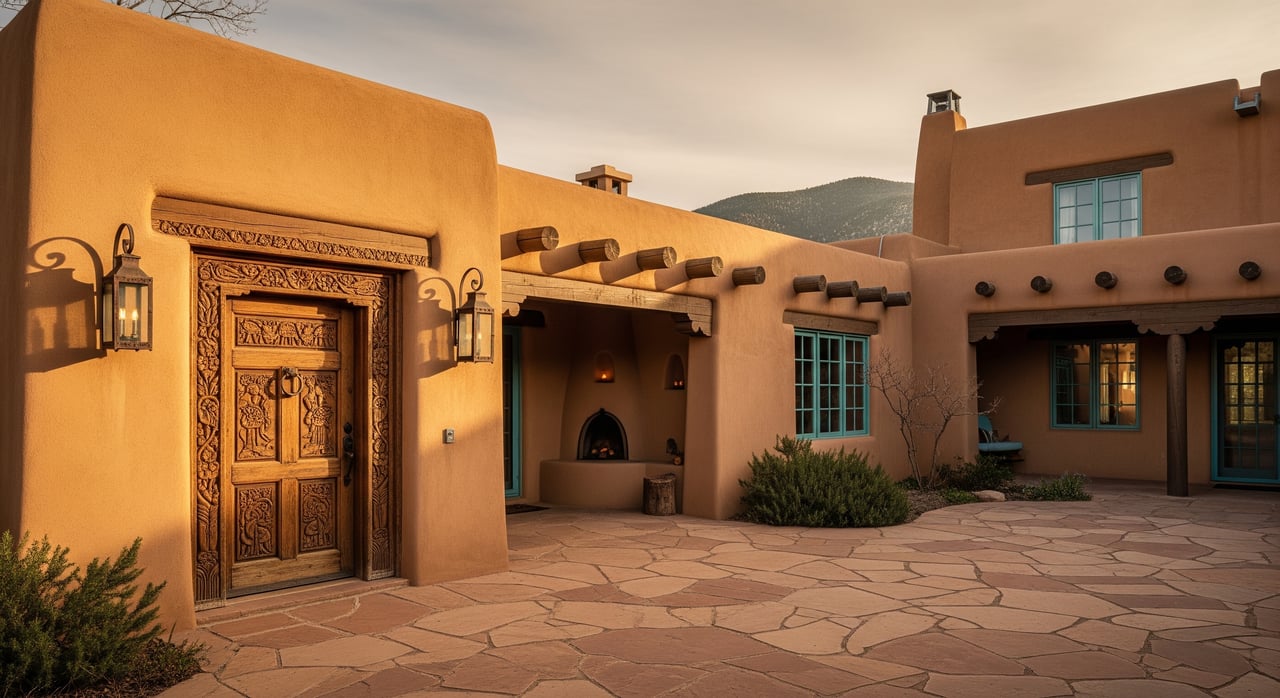


Trying to choose between Historic Eastside and South Capitol in downtown Santa Fe? You’re not alone. Both neighborhoods offer walkable living close to culture, dining, and events, yet the rhythm and feel of daily life are different. In this guide, you’ll get a clear comparison of lifestyle, housing, regulations, and buyer tradeoffs, plus a practical checklist to move forward with confidence. Let’s dive in.
Neighborhood snapshot
Historic Eastside at a glance
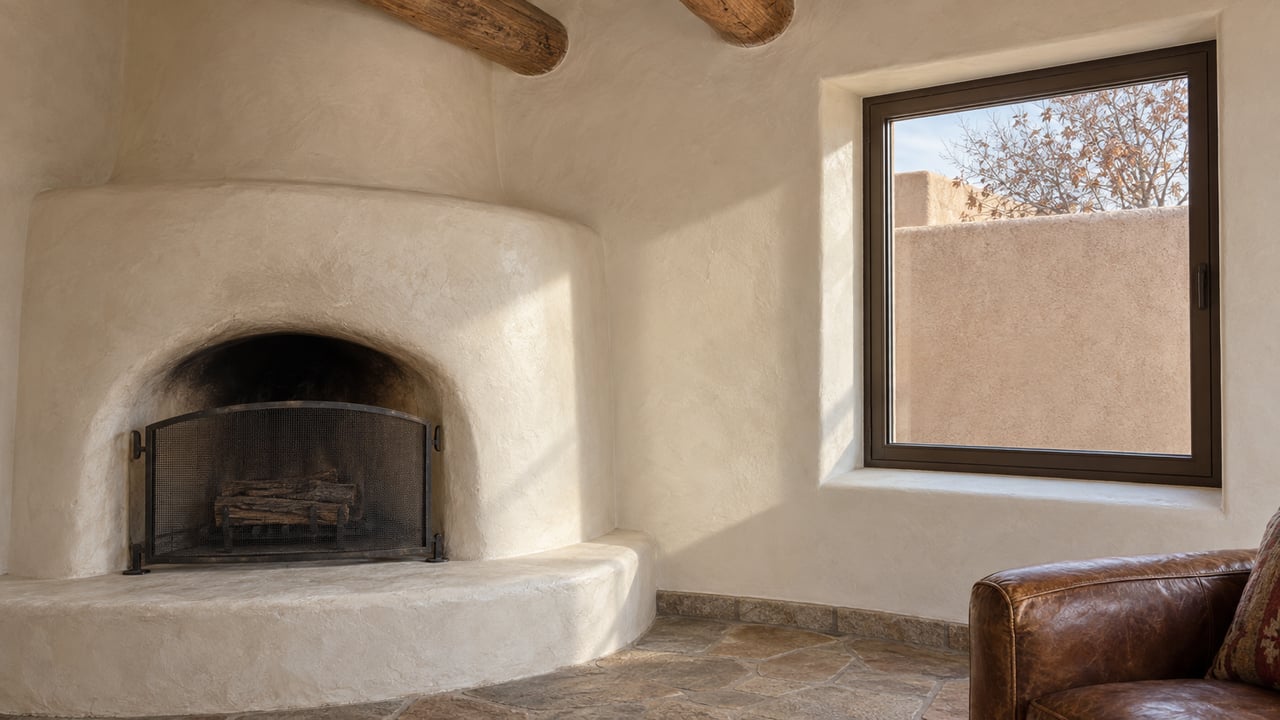
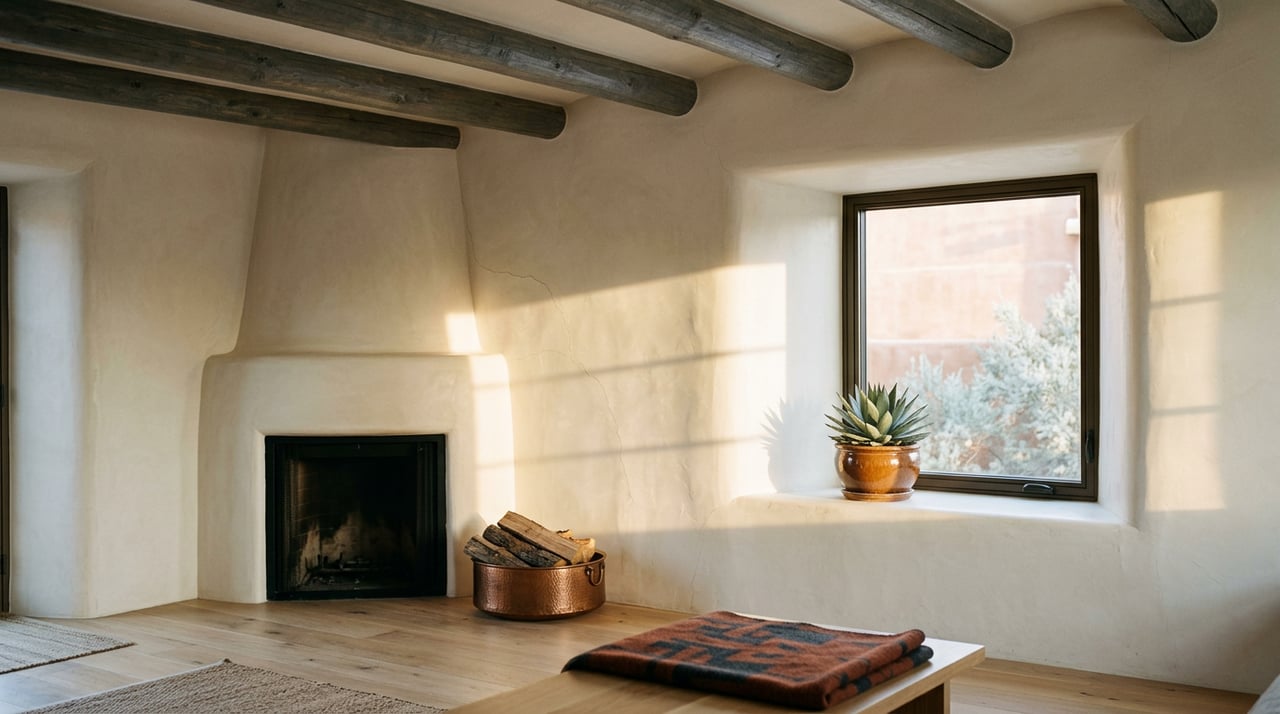
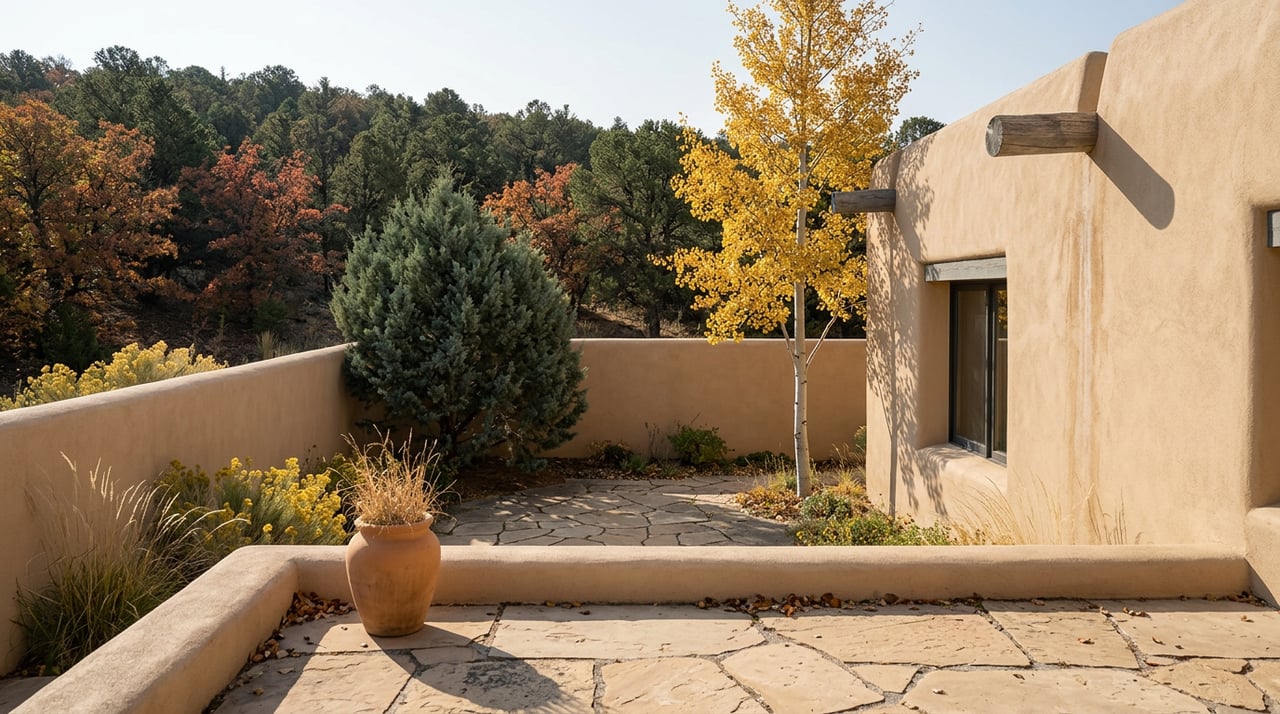
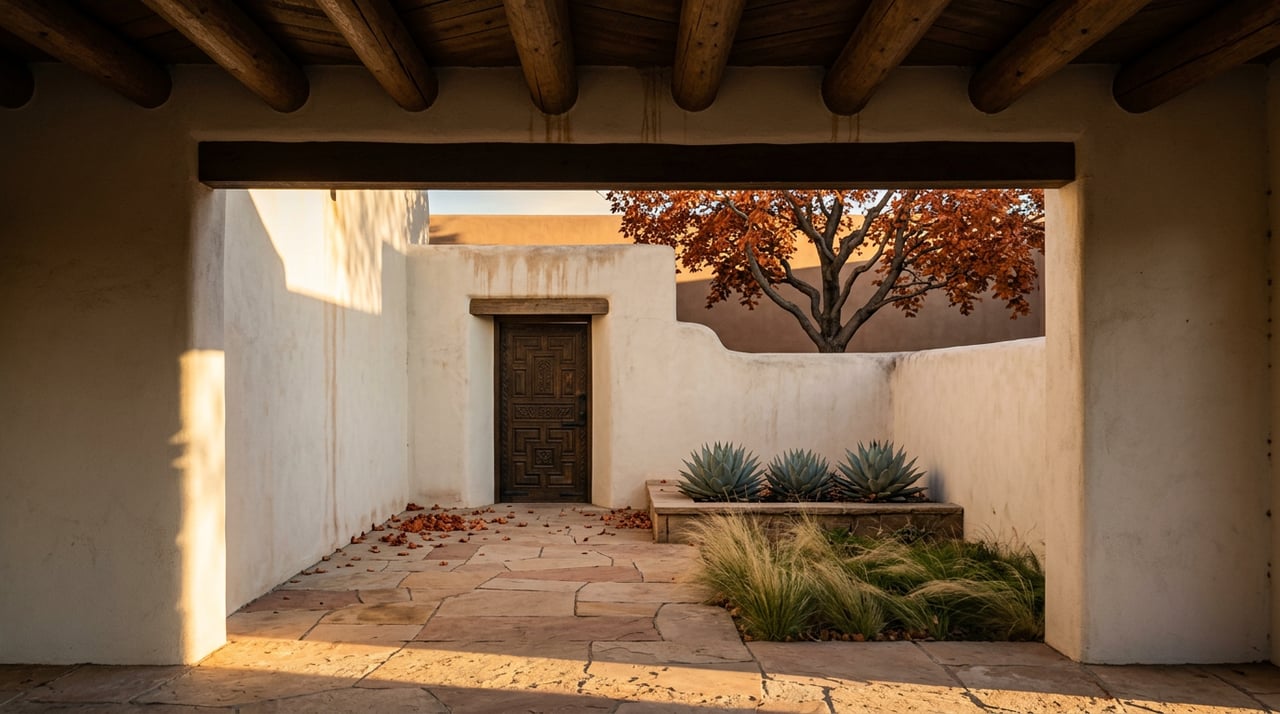
Historic Eastside sits just off the Plaza and is one of Santa Fe’s oldest in-town areas. You’ll see traditional adobe homes, narrow streets, and walled courtyards that reflect Spanish, Mexican, and Territorial era development. Architecture skews Pueblo Revival and traditional adobe, often single-story with parapet walls, vigas, and earthen plaster.
Lifestyle here centers on proximity to galleries, museums, restaurants, and downtown public spaces. During festival seasons and major events, expect heavier pedestrian activity and a strong historic plaza ambiance.
South Capitol at a glance
South Capitol is just south of the State Capitol and downtown core, set between the Capitol area, the Railyard district, and residential corridors toward Guadalupe and Alta Vista. It reads more residential and typically quieter than blocks right by the Plaza.
Architecture mixes Pueblo or Spanish Revival and Territorial adobe homes with early to mid 20th-century houses and some later infill. You may find slightly larger in-town lots on some blocks, yet you still keep quick access to downtown and the Railyard.
Walkability and daily rhythms
Both neighborhoods are among the most walkable parts of Santa Fe. Many galleries, restaurants, cultural institutions, and civic offices are within 0.5 to 1 mile. Exact walk times vary by block and slope, so check current directions for a specific property.
- Historic Eastside: Short walks to the Plaza and nearby museums, with Canyon Road galleries close by. Peak tourist seasons bring more foot traffic and activity.
- South Capitol: Easy access to the Railyard’s farmers market and events, plus neighborhood parks. Street life is calmer overall, while downtown remains close for dinner, arts, and civic errands.
Transit options include local bus service and shuttles that serve downtown. The New Mexico Rail Runner terminates at the Santa Fe Railyard Depot, which can help if you commute to Albuquerque or other Rail Runner stops. On-street parking is common in both neighborhoods, with some permit or time-limited zones. Private off-street parking varies by property, so confirm specifics for each listing.
Housing and architecture
You’ll mostly encounter single-family homes, many of them smaller, single-story adobes with casitas. Duplexes, small multi-unit buildings, and contemporary remodels appear in select pockets, especially near the Railyard and along key corridors. Lot sizes in both neighborhoods tend to be small to modest. South Capitol sometimes offers slightly larger lots on certain blocks.
What to know about adobe and historic homes
- Adobe walls and traditional materials perform well in Santa Fe’s climate but need specialized maintenance. Expect periodic replastering, careful roof and flashing upkeep, and attention to grading at the base of walls.
- Many historic homes predate modern insulation standards. Energy improvements like insulation, window upgrades, and HVAC updates may be desirable. On designated historic properties, exterior changes can trigger review.
- Most downtown homes connect to municipal water and sewer. It’s smart to verify service capacity, meters, and any assessments for a specific address.
Working with local contractors familiar with adobe, stucco, and traditional finishes is important. A thorough inspection should cover structure, roof, foundation, moisture, and systems, and a specialist evaluation of adobe and historic fabric is wise when applicable.
Rules, permits, and short-term rentals
When you own in a historic downtown neighborhood, plan ahead for reviews and approvals.
- Historic review: Alterations, visible additions, and demolition in designated historic districts typically require review by the City’s Historic Preservation Division or related boards. Standards emphasize preserving appearance, materials, and massing.
- Zoning: Downtown zoning includes residential, mixed-use, and special districts. Permitted uses, accessory dwelling rules, and setbacks vary. Check the City’s zoning maps and Planning Division for property-specific details.
- Short-term rentals: Santa Fe regulates short-term rentals with registration, taxes, and neighborhood limits. The rules have changed over recent years, so always review the current code before planning rental use.
- Easements and acequias: Older properties can carry historical easements or acequia water access obligations. Verify title documents and consult with knowledgeable local resources if applicable.
Parking rules can differ by block. Some areas have resident permits or time limits. Confirm what applies at the property level so you know how many spaces you can rely on day to day.
Market context and buyer tradeoffs
In-town addresses near the Plaza and the Railyard often command stronger demand thanks to walkability and cultural access. Historic character can add scarcity and a premium. Inventory in small-lot historic areas is often limited, and well-located homes attract competition. For up-to-date pricing and days on market, check current reports from local Realtor associations and the local MLS, and review tax and sale data from the county.
Pros and cons: Historic Eastside
- Pros: Immediate proximity to the Plaza, iconic adobe architecture, walled courtyards, and top-tier walkability to cultural destinations.
- Cons: More tourist foot traffic at peak times, tighter parking in some blocks, strict preservation review for exterior changes, and generally smaller lots with less privacy on the most central streets.
Pros and cons: South Capitol
- Pros: Quieter residential streets while staying in-town, quick access to Railyard events and the commuter rail, and in some blocks slightly larger lots.
- Cons: Still near downtown activity, fewer homes right by the Plaza, and design controls and zoning considerations still apply for renovations.
Which neighborhood fits you
Choose Historic Eastside if you want to step out your door and feel the historic core immediately around you. You’ll trade some parking flexibility and seclusion for courtyards and architecture that define Santa Fe.
Choose South Capitol if you prefer a calmer, more residential vibe with easy reach to the Railyard and a short hop to downtown. You may find a bit more space and a quieter rhythm while staying close to everything you care about.
If you often host guests or plan frequent downtown evenings, both locations work well. Your decision comes down to how you weigh immediate Plaza energy against a more low-key residential feel.
Practical buyer checklist
Use this list to evaluate any property in Historic Eastside or South Capitol:
- Confirm the exact neighborhood boundary for the address and distances to the Plaza, Railyard, grocery, and transit options.
- Check zoning, historic designation, and whether exterior changes would trigger preservation review.
- Verify parking: on-street limits, resident permit zones, and any private off-street spaces.
- Order a full home inspection and, if relevant, a specialist evaluation for adobe and historic materials.
- Request a repair and maintenance history, including plaster, roof and drainage work, and any recent permits.
- Confirm utility connections and ask about any outstanding City assessments or liens.
- Review current short-term rental rules if you plan to rent the property.
How we help you move forward
You deserve aligned advice, clear data, and a smooth process. Ayden Gramm Real Estate delivers principal-led, boutique representation with investor-grade market insight and a modern marketing toolkit. Whether you are buying a classic adobe with courtyard charm or a thoughtfully updated in-town home, we help you understand neighborhood nuances, evaluate property-specific constraints, and navigate timing, inspections, and offers with confidence.
Ready to compare listings, map walk times, and plan next steps around your lifestyle and goals? Connect with Ayden Gramm Real Estate to schedule a consultation.
FAQs
What defines Santa Fe’s Historic Eastside neighborhood?
- It is one of the city’s oldest in-town areas adjacent to the Plaza, known for traditional adobe architecture, narrow streets, and walled courtyards shaped by Spanish, Mexican, and Territorial era development.
How does South Capitol’s lifestyle differ from Historic Eastside?
- South Capitol offers quieter residential streets and quick access to the Railyard and commuter rail, while Historic Eastside places you next to the Plaza with more seasonal pedestrian activity.
What maintenance should I expect with adobe homes in downtown Santa Fe?
- Plan for periodic exterior replastering, careful roof and flashing maintenance, and attention to grading. Consider a specialist inspection for adobe and historic materials.
Are exterior renovations reviewed in Santa Fe’s historic districts?
- Yes. Alterations, visible additions, and demolition in designated historic districts typically require review to preserve appearance, materials, and massing.
Are short-term rentals allowed in Historic Eastside or South Capitol?
- Santa Fe regulates short-term rentals with registration, taxes, and neighborhood limits. Always verify the current city code for the specific address.
Where can I find current pricing and inventory for these neighborhoods?
- Check recent market reports from the local Realtor association, local MLS data, and county sale records for the most accurate and current figures.