

Old Las Vegas Highway is one of those Santa Fe corridors where you can feel the city thin out fast, even though you are still minutes from town. If you want land, quiet, and quick access to the Plaza, it is worth a serious look. Santa Fe real estate agent Ayden Gramm often points buyers here when they want breathing room without giving up daily convenience.
Where it is and why people care
Old Las Vegas Highway is the older road connection running south and southeast of Santa Fe, parallel to I-25 in places, with direct access near I-25 and US 84, US 85, and US 285. It is signed as NM 300, a short state route that links I-25 to the city side near Rodeo Road. People care because it sits at the edge of town, close to trailheads and open space, and it includes pockets of established rural neighborhoods like Seton Village and areas around San Miguel Canyon.
History of Old Las Vegas Highway
Before I-25 existed, this route handled much of the Santa Fe to Las Vegas, New Mexico travel, so it carried through-traffic long before it became a mostly local road. Go back further and the broader corridor connects to the story of movement across northern New Mexico, including Santa Fe Trail era travel into Las Vegas and onward through places like Pecos.
There are also small, specific history markers right off the highway. One example is the Seton Village area, established in the early 1930s by Ernest Thompson Seton and later recognized as a National Historic Landmark District. Another example is a Route 66 historical marker placed along Old Las Vegas Highway, which reflects how pieces of older highway systems and historic routes overlap in this part of the state.
Lifestyle and day-to-day feel
Life along Old Las Vegas Highway is about space, outdoor access, and being close to Santa Fe without feeling like you live in the middle of it. Many properties sit on larger lots, and evenings tend to be quieter than in-town neighborhoods. The tradeoff is that some homes feel more rural in how they function, from longer driveways to darker nights and fewer streetlights.
Outdoor time is a real part of the routine here. The nearby Dale Ball Trails system is a major network for hiking and trail running, with multiple access points in the foothills. Santa Fe County also manages thousands of acres of open space and many miles of trails, which supports the “get outside after work” lifestyle that draws people to this side of town. Cyclists also use the corridor, and local rides pass through the area seasonally.
Types of homes you will see
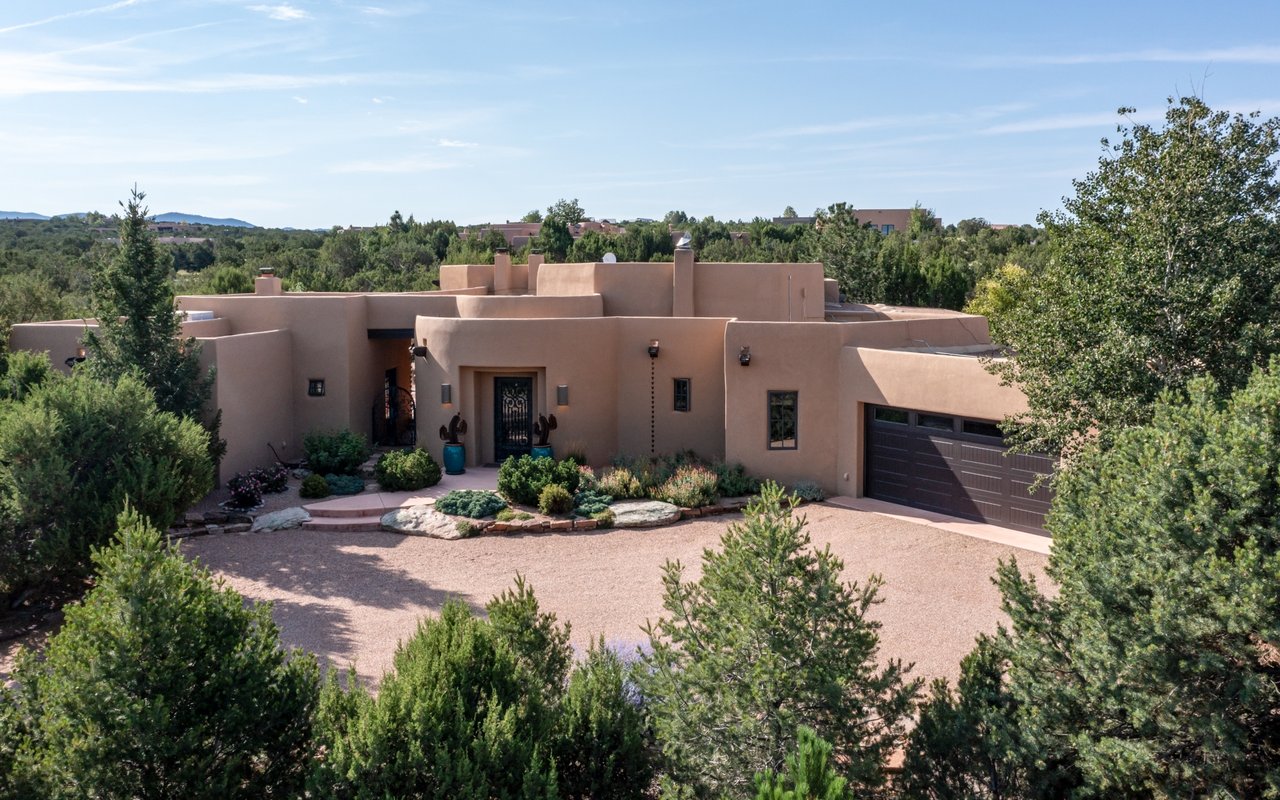
Expect a strong presence of Santa Fe regional building traditions, plus custom homes built across multiple decades.
Adobe and adobe-style homes
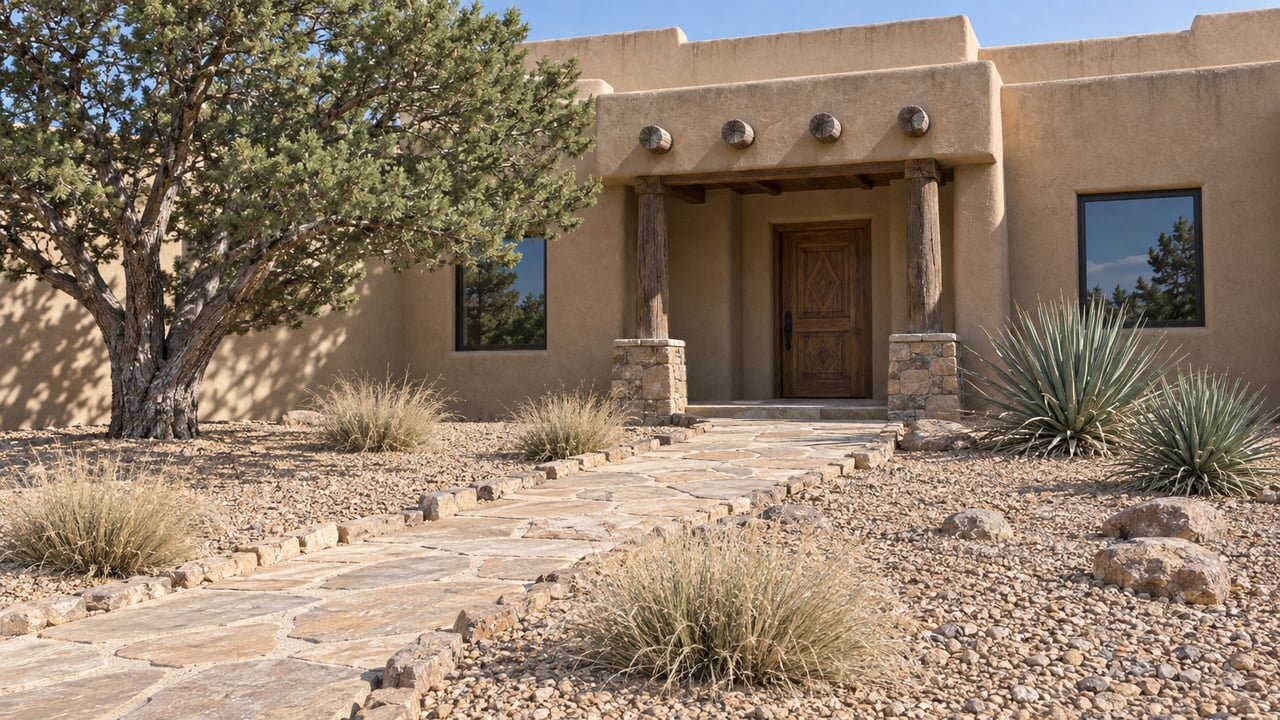
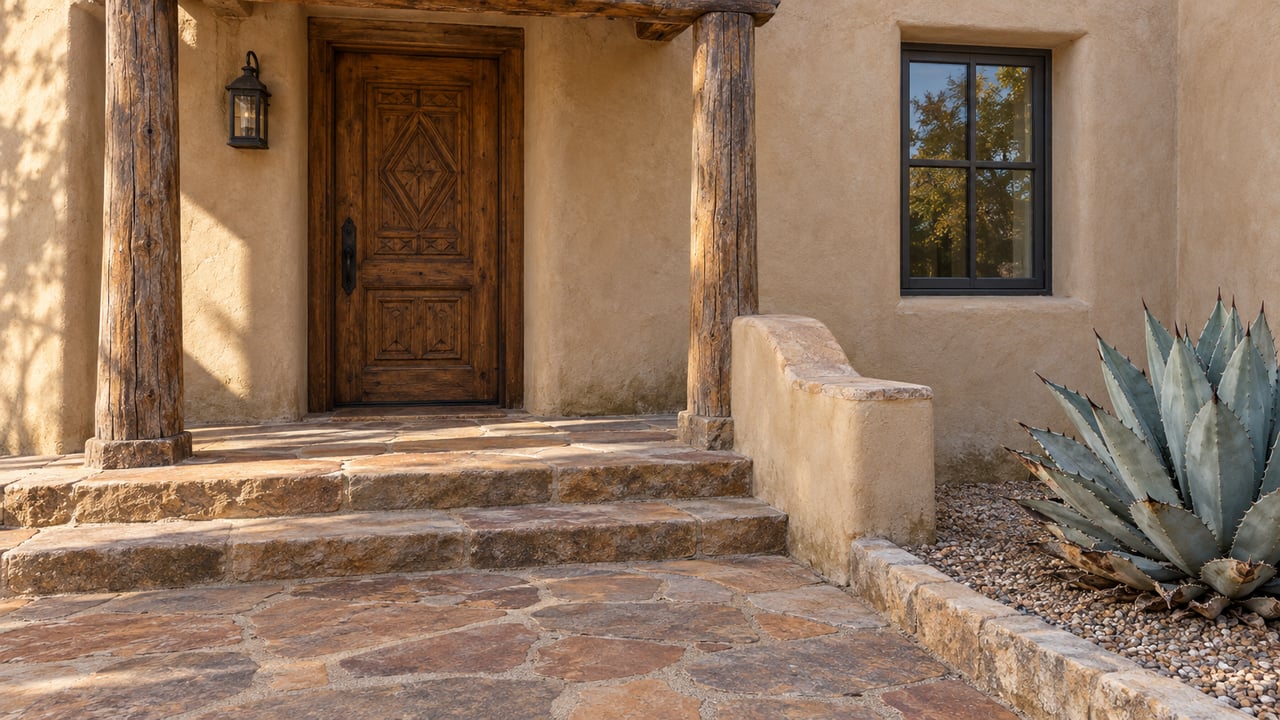
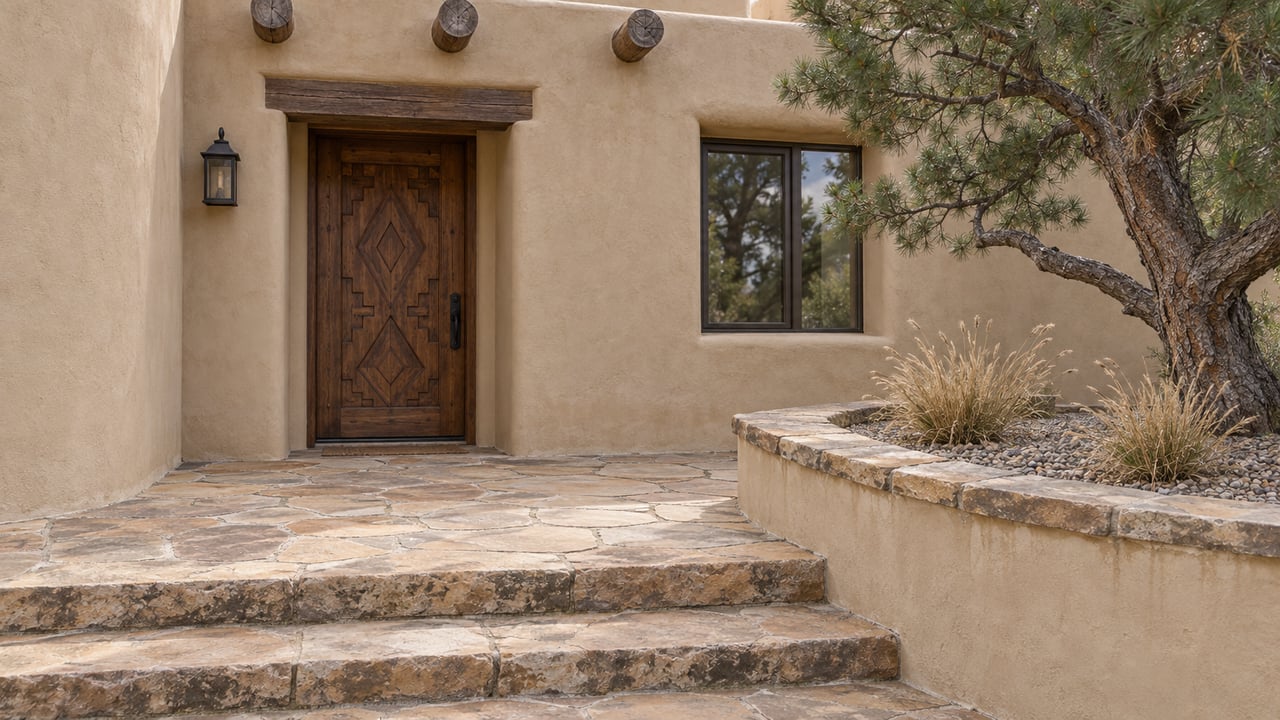
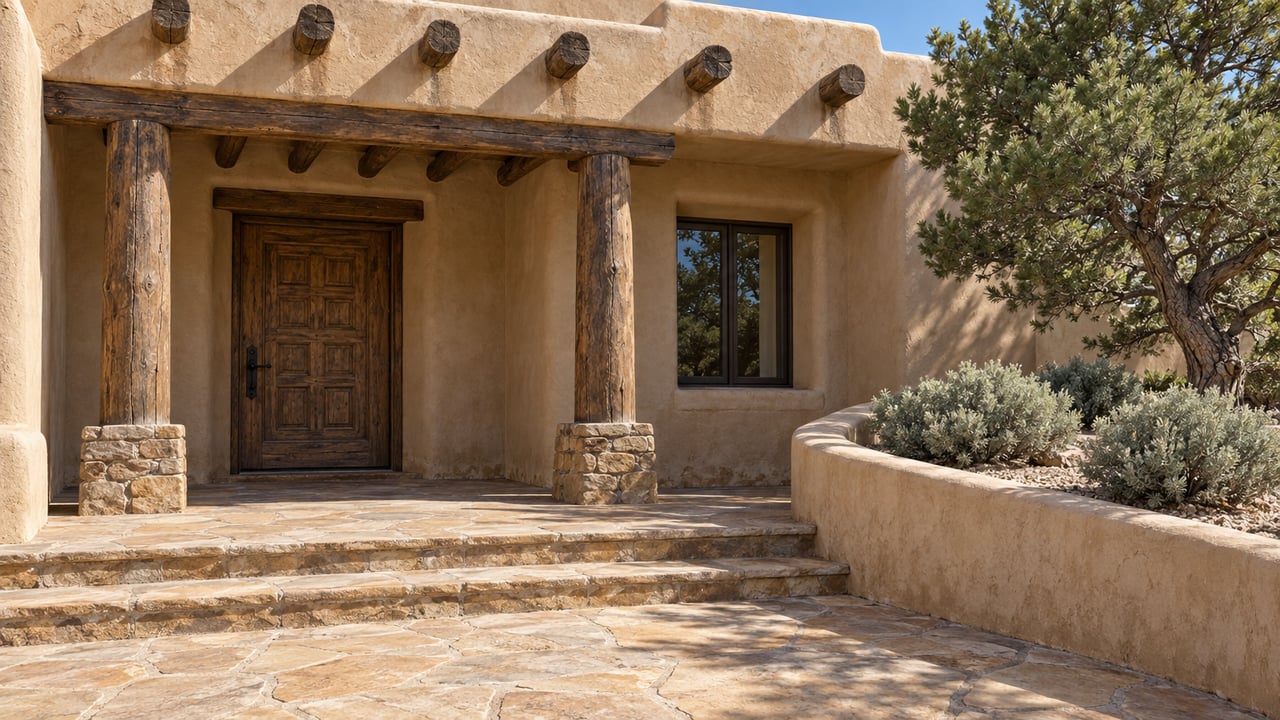
True adobe construction exists in Santa Fe, and even when a home is not pure adobe, the style cues show up in thick walls, deep-set windows, and interior details like vigas and kiva-style fireplaces. With any adobe or adobe-style property, maintenance, drainage, and inspection details matter more than buyers sometimes expect.
Pueblo Revival and Territorial influences
Santa Fe’s dominant “Old Santa Fe Style” draws heavily from Pueblo and Territorial forms, and those influences spill outward from the historic districts into nearby residential areas. Territorial cues often include straighter lines and trim details, while Pueblo Revival leans toward rounded edges, parapets, and more sculpted massing.
Custom homes on land
Along this corridor, many homes are one-off builds on larger parcels. You will see a range of footprints, from compact single-level houses to larger compounds with guest houses, studios, or detached garages. Some properties are set up for horses or hobby agriculture, depending on parcel size and rules.
Utilities and property realities
Because the feel is more rural, it is common to encounter private wells or shared wells, septic systems, and unpaved sections in nearby side roads, depending on the exact pocket. Zoning and density rules vary across the county, so it is smart to confirm what is allowed for additions, guest houses, or future splits before you fall in love with a view.
Neighborhood pockets along the corridor
Old Las Vegas Highway is not one single neighborhood. It is a corridor with a few well-known pockets that locals refer to by name. Seton Village sits along the route and has a distinct identity and history. Arroyo Hondo is nearby and feels more rural, with larger parcels and a stronger “country” setup in some spots. Sunlit Hills is also part of the broader area, with homes on land and quick access back toward Santa Fe.
FAQ About Old Las Vegas Highway
How far is Old Las Vegas Highway from downtown Santa Fe?
Many parts of the corridor are roughly a 10 to 20 minute drive to the Plaza, depending on where you enter the highway and traffic.
Is it “in Santa Fe” or “in the county”?
Both. Some stretches run near city limits and some are clearly county. That matters for permitting, zoning, and sometimes services, so verify the address jurisdiction early.
What lot sizes are common?
Larger lots are typical compared with many in-town neighborhoods. Exact sizes vary by pocket, and zoning category will influence what is buildable.
Are there good trail options nearby?
Yes. The Dale Ball Trails network and other open space connections are close and widely used for hiking and running.
What should I watch for when buying here?
Confirm water and septic details, road access in winter weather, and any limits tied to zoning or easements. For adobe or adobe-style homes, prioritize a careful inspection focused on moisture and maintenance realities.
Connect with Ayden Gramm
If Old Las Vegas Highway sounds like your kind of place, reach out to Ayden Gramm. Ayden can help you compare pockets along the corridor, spot red flags around wells, septic, and access, and narrow the search to homes that fit how you actually live.