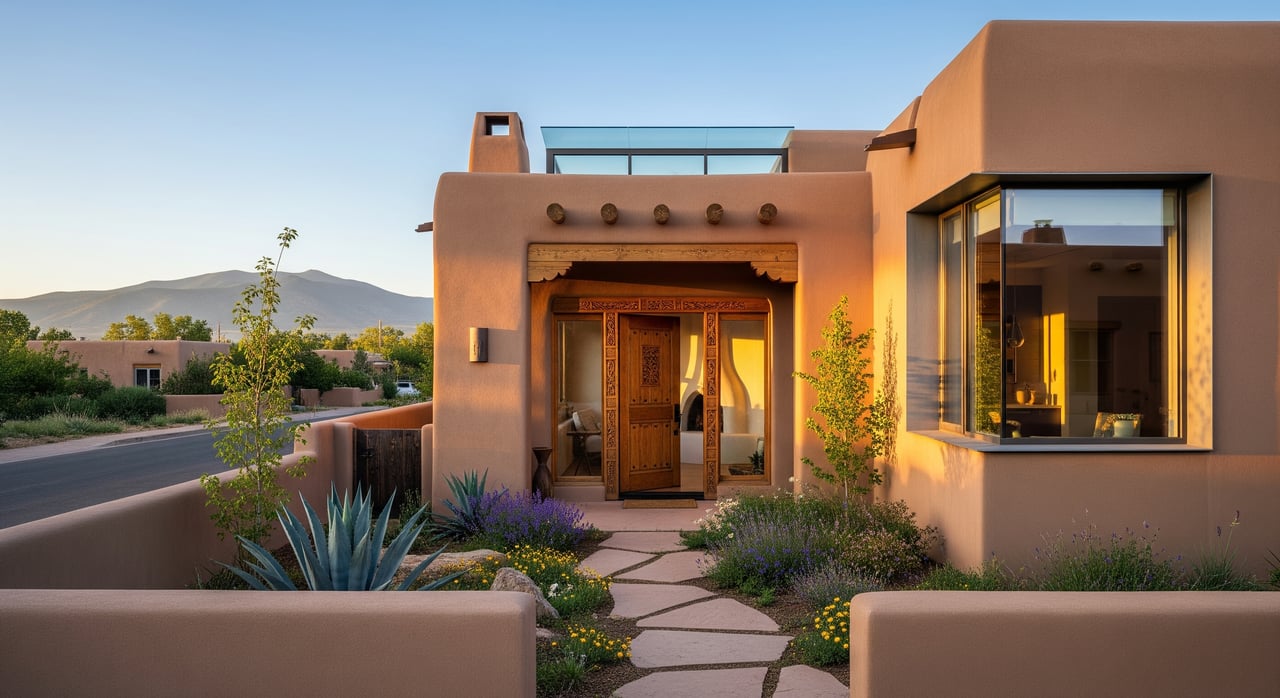


Trying to choose between Pueblo Revival, Territorial, or a clean contemporary home in Santa Fe’s Historic Eastside? Style shapes how a home looks, lives, and holds value in this historic neighborhood. You want authenticity, comfort, and a smart investment, all within a district that cares deeply about design. This guide breaks down each style, what it takes to maintain, what historic review might require, and how to plan for resale. Let’s dive in.
Why style matters in the Historic Eastside
Santa Fe’s Historic District and the Historic Eastside are defined by adobe architecture, narrow lanes, walled courtyards, and a consistent palette of forms and earth tones. Visual continuity is not just a preference. It is part of the area’s identity and a key driver of market appeal.
Because of that, architectural style plays a big role in perceived authenticity. Buyers often pay a premium for homes that fit the neighborhood’s character and are well maintained. If you are considering updates or building new, expect exterior changes to be reviewed for compatibility with the district’s design guidelines.
Pueblo Revival at a glance
Defining features
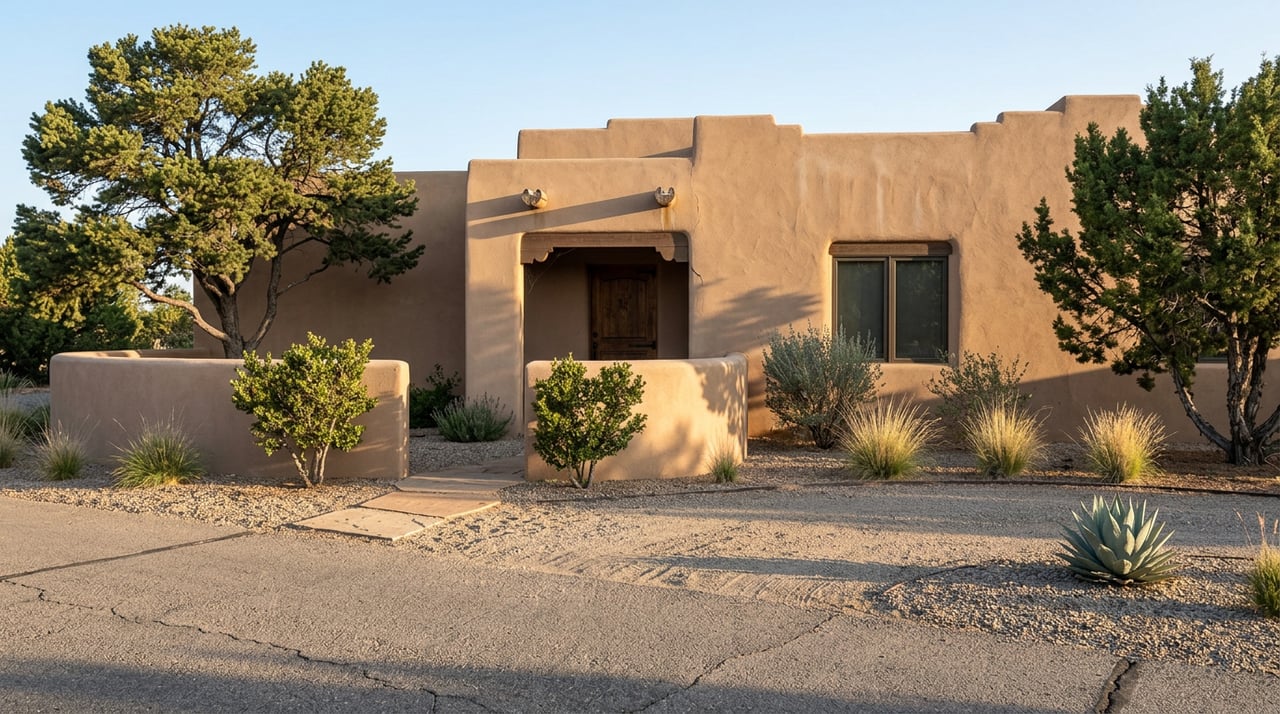
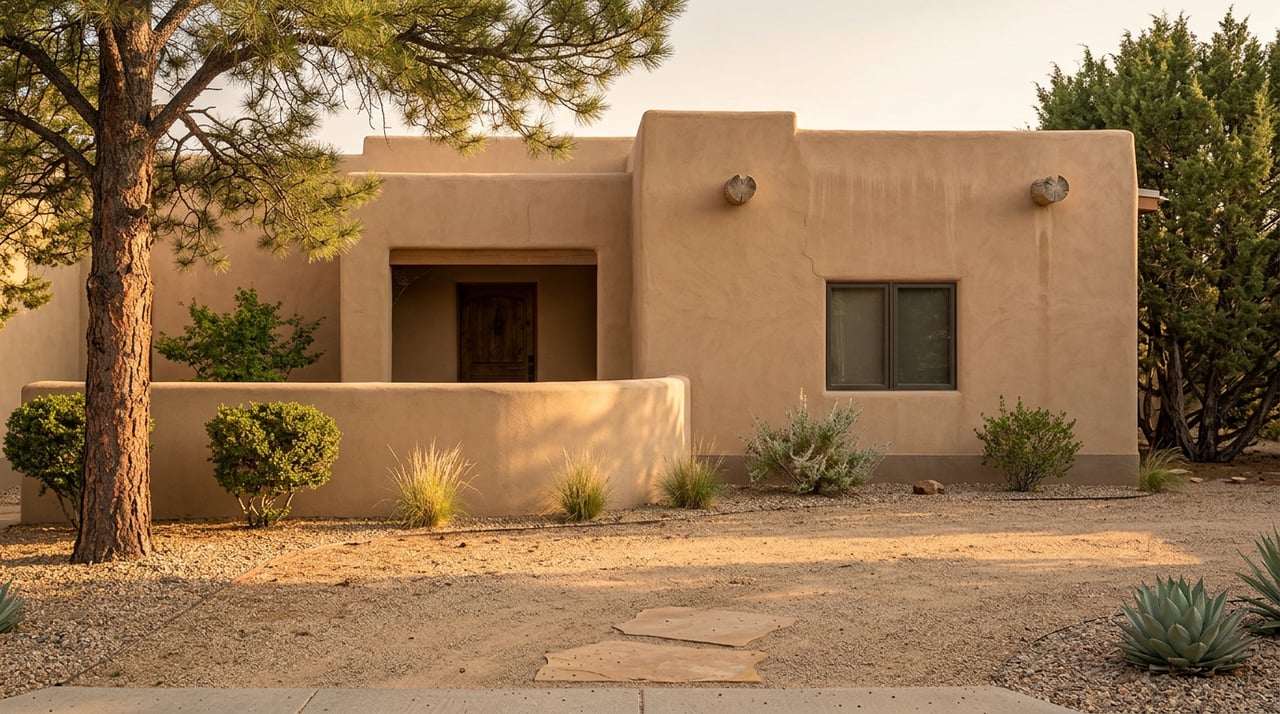
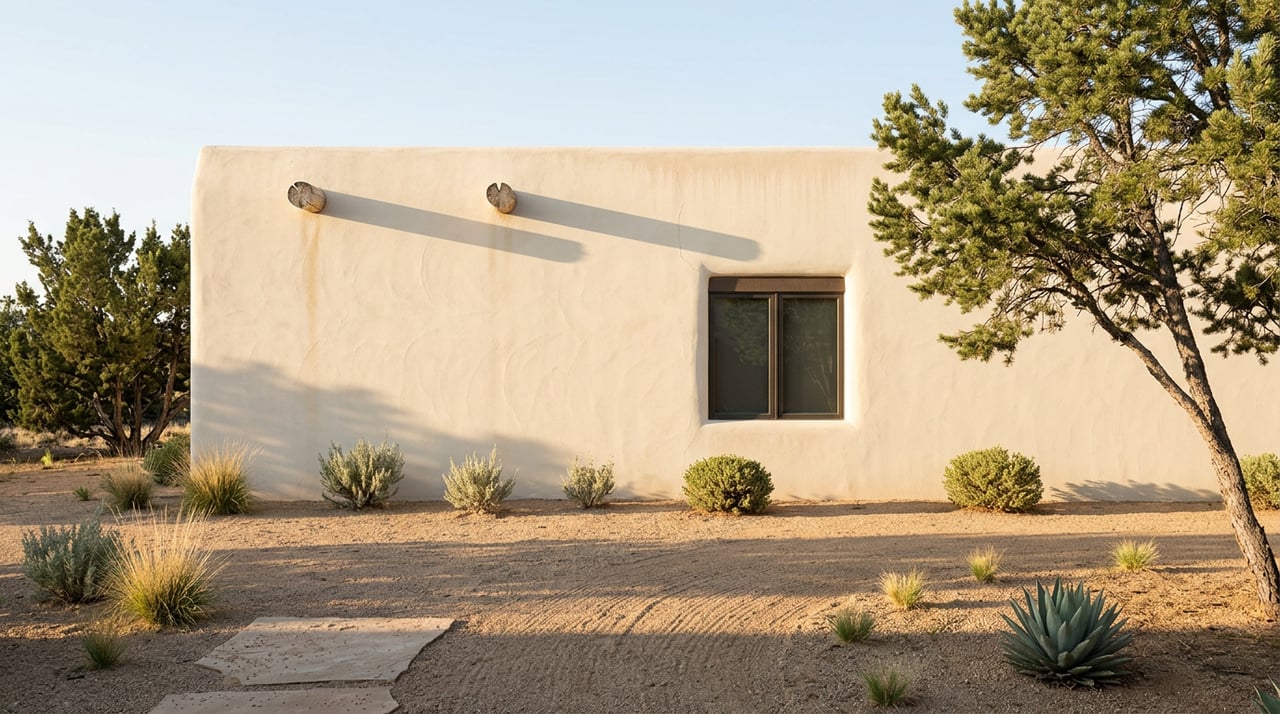
Pueblo Revival homes echo Indigenous Puebloan and Spanish adobe traditions. You will notice thick, rounded walls, flat roofs with parapets, and exposed vigas that appear to run through the exterior walls. Canales carry water off the roof. Windows are often deep-set and modest in size, and earth-tone stucco or plaster complements carved wood doors, corbels, and latillas.
Construction and materials
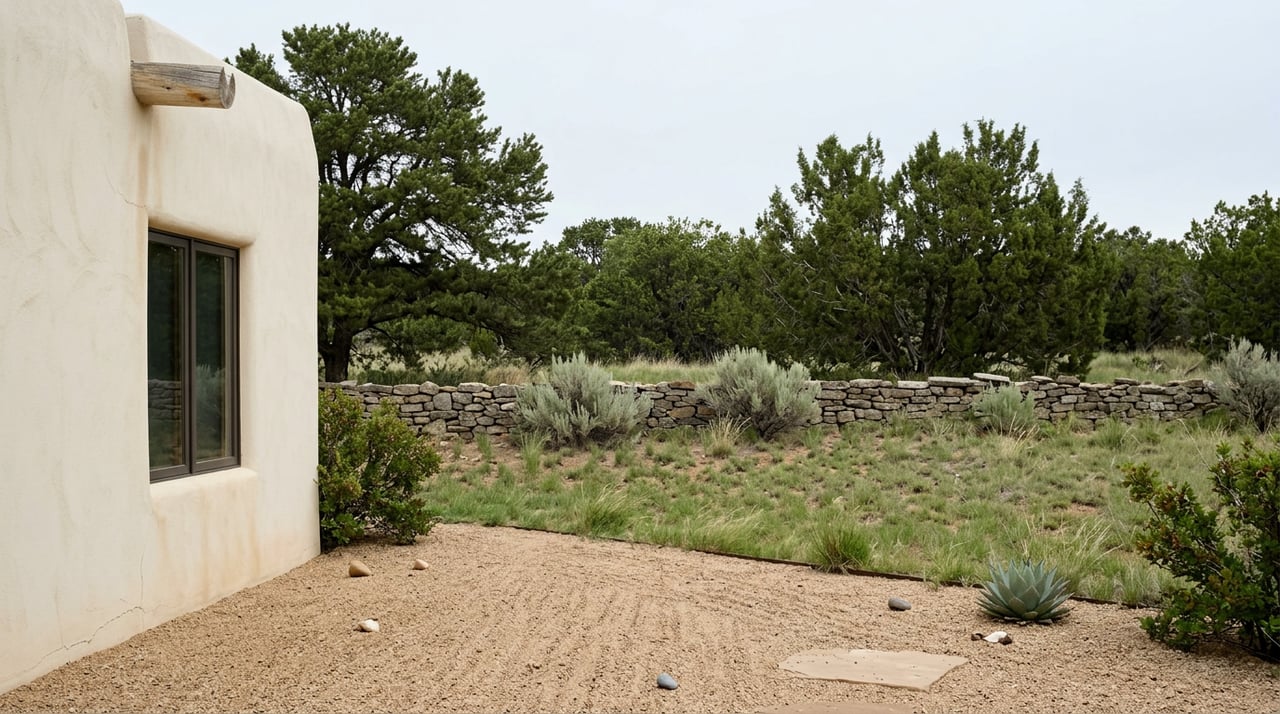
Many Pueblo Revival homes are true earthen adobe or adobe-like masonry. Others use framed or block construction with stucco shaped to look like adobe. The look can be similar from the street, but the underlying materials affect maintenance and energy performance. Earthen assemblies manage temperature swings well through thermal mass, yet they depend on breathable finishes and good water management.
Where you see it
You will find Pueblo Revival throughout the Historic District, often set behind courtyard walls and integrated with landscaping. The massing, roofline, and color palette reinforce the neighborhood’s identity. In the Historic Eastside near Canyon Road, these details help a property feel “classic Santa Fe.”
Who it suits and market perception
If you are drawn to Santa Fe’s most iconic look, Pueblo Revival is often the first choice. Buyers who value authenticity and handcrafted detail tend to prioritize this style in the Eastside. Well cared for examples often command strong pricing, especially when character is intact.
Territorial Revival essentials
Defining features
Territorial and Territorial Revival homes combine local adobe or masonry with classical Anglo details. Look for more rectilinear lines, brick or stone coping along parapets, and more regular window patterns. Window openings are often larger than in Pueblo Revival. You may see painted trim or simple pediments that give a slightly more formal appearance.
Construction and materials
Like Pueblo Revival, Territorial homes can be adobe, brick, or frame with stucco. Historic Territorial-era homes may be true adobe, while many examples are 20th-century revivals that blend traditional materials with updated systems.
Where you see it
Territorial Revival appears across the Historic District in both original and revival forms. Proportions can feel slightly taller or more formal than Pueblo Revival while still fitting the neighborhood’s massing and color palette.
Who it suits and market perception
Territorial appeals if you want Santa Fe character with a little more symmetry and window area. It balances tradition with a lighter, more Anglo-influenced look that still reads as local. Buyers often see it as a hybrid that delivers both charm and function.
Contemporary and modern in context
Defining features
Contemporary homes in Santa Fe run from minimalist glass-and-stucco residences to “Santa Fe contemporary” that simplifies traditional forms. Expect clean lines, larger panes of glass, open plans, and high ceilings. Materials may include stucco, concrete, steel, glass, and wood, often in earth tones that blend with the landscape.
Design in the Historic District
In the Historic District and Eastside, contemporary design is possible when it respects scale, massing, and color. New construction or exterior alterations visible from public ways usually require review. Successful projects often keep lower profiles and locate modern expressions behind or within traditional street-facing forms.
Who it suits and market perception
Contemporary homes resonate with buyers who want daylight, openness, and low-maintenance finishes. In the Eastside, thoughtfully designed modern infill can be very desirable. Many buyers also love a hybrid approach: a traditional exterior for the street and a more modern interior for daily living.
Climate, materials, and maintenance
Santa Fe’s high-desert climate brings intense sun, big temperature swings, and occasional freeze–thaw in winter. The right assemblies handle heat, UV, and moisture while staying breathable.
Adobe and earthen walls
- Typical issues: surface erosion of earthen plaster, cracking at openings, and moisture intrusion where drainage or flashing is weak.
- Routine care: inspections of canales and parapets, grading at the base, and periodic patching or re-plastering with breathable materials. Frequency can vary from 10 to 30 years depending on exposure.
- Longevity and comfort: authentic earthen walls can last centuries with proper care. Thermal mass smooths temperature swings, although modern insulation strategies are often desirable for comfort.
Stucco over frame or masonry
- Typical issues: hairline cracks, potential water ingress at failed sealants or flashing, and occasional stucco delamination.
- Routine care: repair cracks, maintain sealants at windows and doors, and recoat finishes as needed. Good detailing extends lifespan significantly.
Wood details (vigas, corbels, trim)
- Typical issues: UV degradation, finish failure, and localized moisture or insect damage.
- Routine care: regular re-staining or painting, proper flashing at penetrations, and replacement of deteriorated components.
Roofs and drainage
- Flat roofs: frequent in Pueblo and Territorial homes. Inspect membranes, parapet flashings, and canales, especially after heavy precipitation or snow.
- Low-slope or metal roofs: more common on contemporary homes. Maintenance cycles differ but still require regular checks for sealants and transitions.
Renovation and review in the Historic District
What typically needs approval
Exterior changes that are visible from public ways are often reviewed. This can include rooflines, window size or type, massing, colors, and materials, as well as courtyard walls and some landscape features. Window replacement is a common pinch point. Review boards tend to favor retention or replication of historic profiles where they exist.
Planning your timeline
Historic design review can add weeks or months to a project. Build in time to consult with the City’s Historic Preservation staff before finalizing plans. Early guidance helps you avoid costly redesigns and aligns your team with the district’s design guidelines.
Smart strategies that resell
- Preserve character-defining elements on visible elevations, and place additions toward the rear or in subordinate volumes.
- Upgrade systems, insulation strategies, and interiors while respecting original materials.
- Consider contemporary expressions in rear courtyards or within existing envelopes when a modern program is important.
- Keep documentation of all approvals and completed work. Buyers appreciate a well organized record of stewardship.
Choosing the right fit for you
- Choose Pueblo Revival if you want the most iconic Santa Fe look, deep walls, courtyards, and handcrafted wood details. Expect periodic plaster and wood maintenance.
- Choose Territorial Revival if you like traditional character with more regular windows and a slightly more formal vibe. Maintenance is similar to Pueblo Revival where stucco and flat roofs are used.
- Choose Contemporary if you prioritize open plans, light, and lower maintenance materials. In the Historic District, plan for sensitive design that respects massing and palette.
Buyer checklist: Historic Eastside homes
- Verify what is behind the stucco. Ask whether walls are true adobe, block, or frame.
- Review the history of plaster or stucco work. Ask about moisture events, rising damp, and recent repairs.
- Inspect roof drainage: canales, parapets, and flashings. Check grading at the base of walls.
- Evaluate wood elements: vigas, doors, window trim, and their finish history.
- Confirm window and door condition. Understand review constraints before planning replacements.
- Request past historic-review approvals and note conditions that affect future changes.
Seller checklist: Preparing to list
- Document authenticity and maintenance. Note dates and materials for re-plastering, roof repairs, and any structural or drainage work.
- Address obvious items before listing: stucco or plaster cracks, wood finish failures, and roof drainage concerns.
- Assemble permits and historic-review approvals for prior changes. Be transparent about any restrictions that shape future renovations.
Contemporary homes in the Historic District
- Review past design approvals for modern additions or infill, including any conditions that limit future changes.
- Document energy and mechanical upgrades. Buyers value clarity on insulation, glazing, and HVAC.
- Highlight how the design respects context. Low profiles, earth tones, and compatible massing reassure neighbors and buyers alike.
Marketing and presentation tips
- Lead with authentic details: original vigas, earthen plaster, and walled courtyards resonate with Eastside buyers.
- For contemporary homes, emphasize site sensitivity, daylight, energy performance, and indoor–outdoor flow.
- Frame updates as stewardship. Buyers respond well to careful preservation paired with modern comfort in kitchens, baths, and systems.
- Use photography that captures massing, rooflines, and courtyards. In the Eastside, context sells as much as fixtures and finishes.
Work with a local advisor
The Historic Eastside rewards owners who respect its character. With the right plan, you can preserve what makes Santa Fe special while creating a home that lives beautifully. Whether you are choosing between Pueblo, Territorial, or a modern approach, a thoughtful strategy will protect value and broaden your buyer pool when it is time to sell.
If you want a clear plan for style, maintenance, and market positioning, connect with the team that blends neighborhood fluency with modern marketing. Start a conversation with Ayden Gramm Real Estate to chart your next move.
FAQs
Can I modernize a historic adobe home in Santa Fe’s Eastside?
- Yes. Interior updates are common, and exterior changes visible from public ways are reviewed. Technical upgrades should use compatible, breathable materials and careful detailing.
Do Pueblo or adobe-style homes cost more to maintain?
- They require specific care, like periodic plaster repairs, wood finish maintenance, and vigilant roof drainage. Costs can be higher than low-maintenance finishes but are manageable with routine attention.
Are contemporary homes allowed in the Historic District?
- Contemporary infill is possible, subject to review for compatibility with scale, massing, and materials. Successful designs often keep a low profile and place modern elements away from street views.
Which style has the best resale in the Historic Eastside?
- Authentic, well maintained Pueblo Revival and historic adobe often command premiums. Context-sensitive contemporary homes also perform well with design-focused buyers.
What should I check before replacing windows on a historic home?
- Confirm whether the windows are character-defining and review district guidelines. Retention or replication of original profiles is often preferred during historic review.