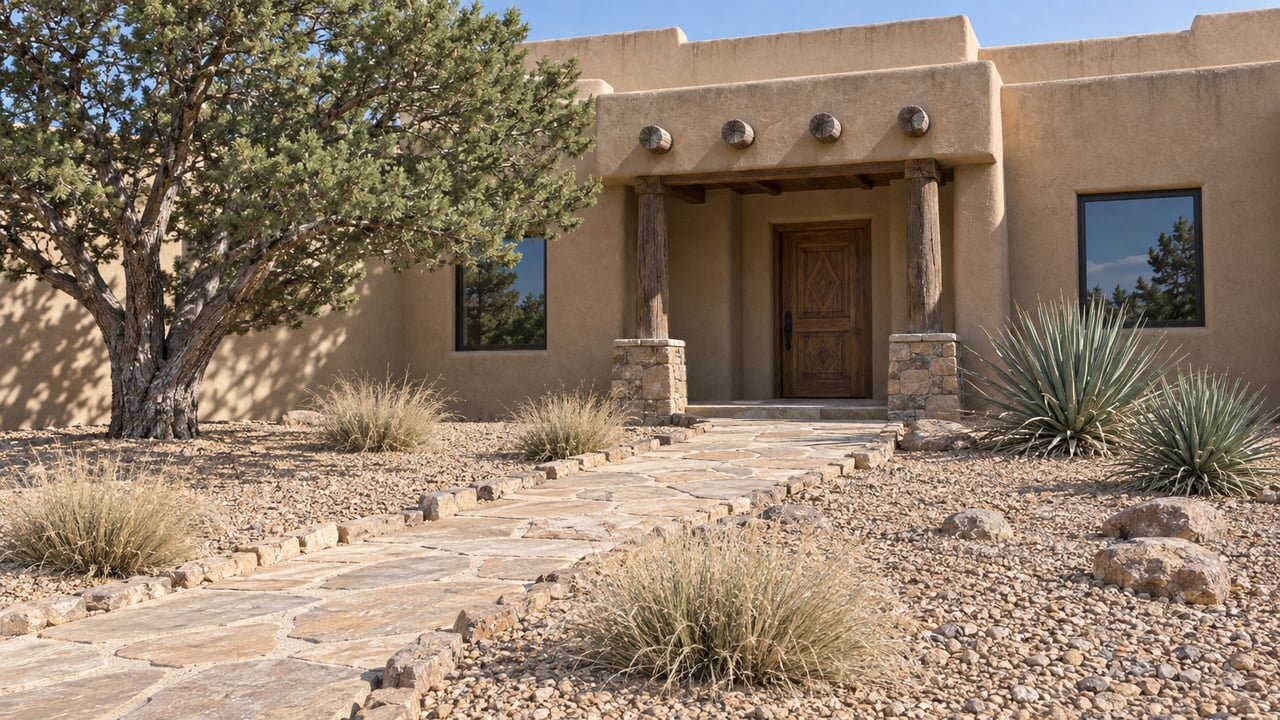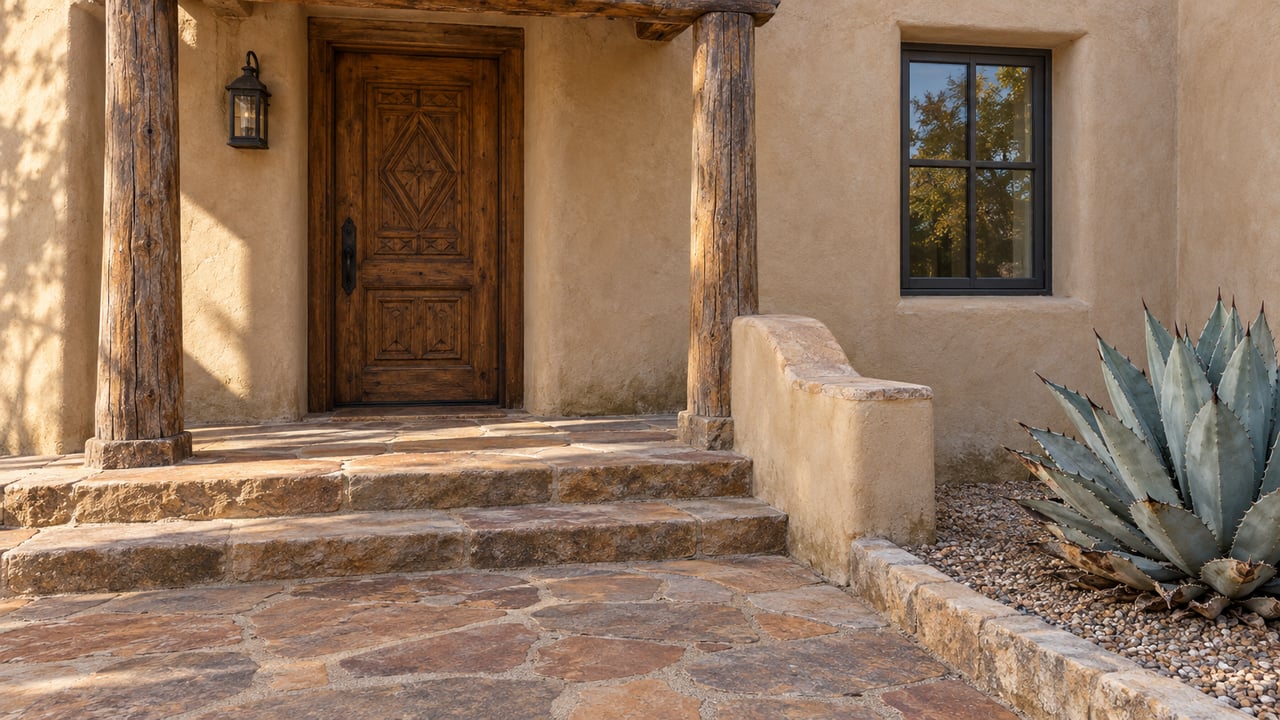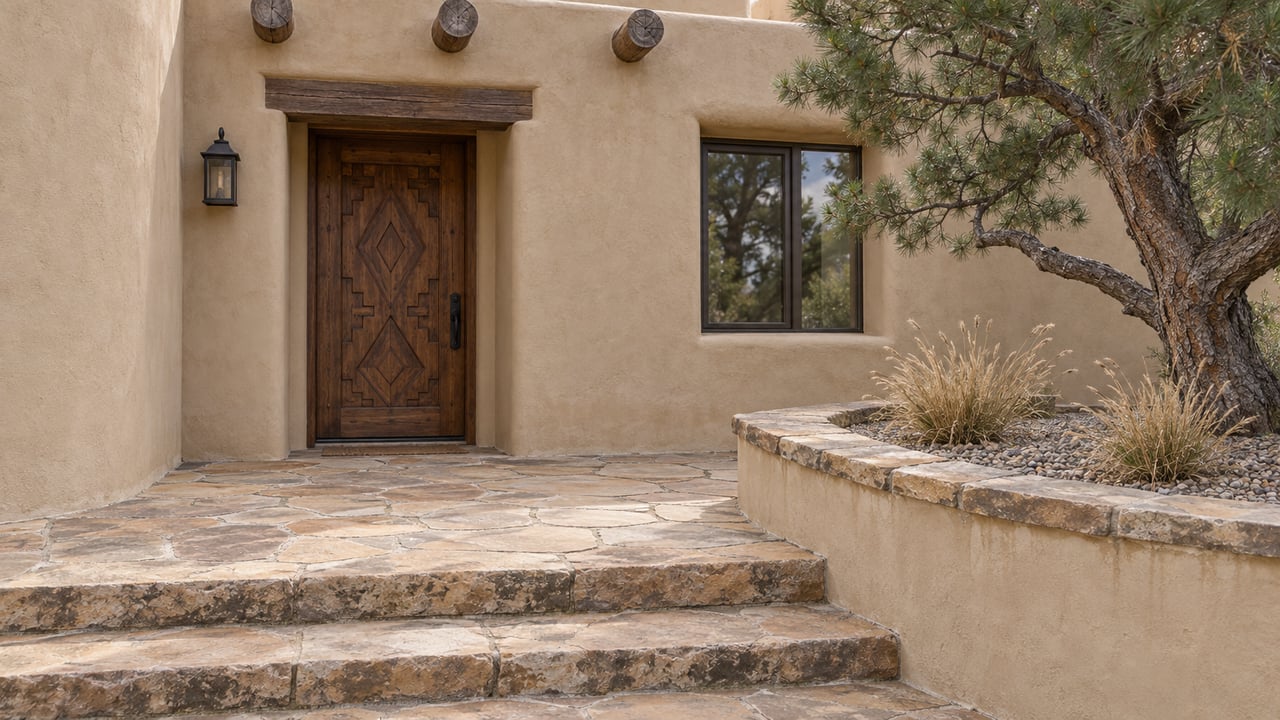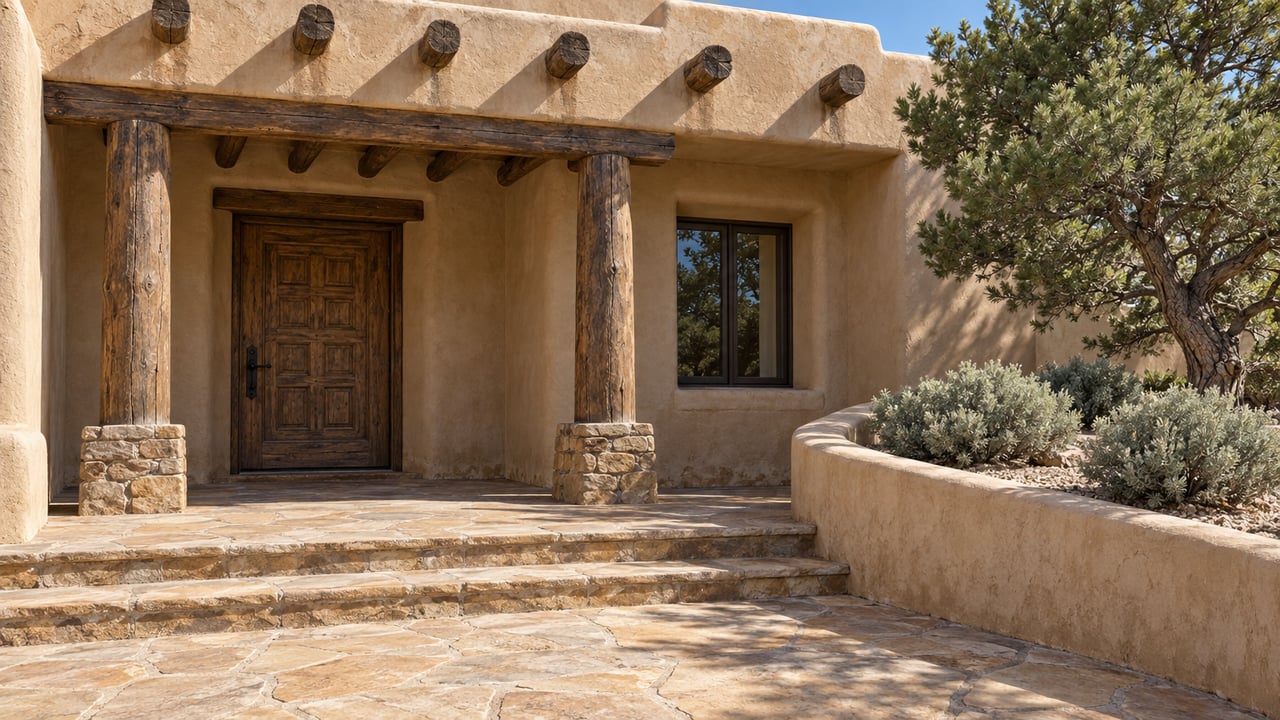

You know the charm of South Capitol. Thick adobe walls, portals that glow at golden hour, and a sidewalk stroll to the Plaza or Railyard. Today’s buyers love that too, but they also expect modern comfort, strong mechanicals and clear documentation. If you’re thinking about selling in the next 6 to 18 months, this guide shows you how to balance authentic Santa Fe character with what today’s market rewards. Let’s dive in.
Why South Capitol sells
South Capitol sits just south of the Roundhouse and places you within a short walk of the Plaza and the Railyard Arts District. The neighborhood blends Pueblo, Territorial and early 20th‑century bungalows on tree‑lined streets with sidewalks, which is part of its draw for in‑town buyers and out‑of‑state relocators. For a quick neighborhood refresher, explore this concise overview of South Capitol’s character and location benefits from a local guide at santafe.com.
Parts of the area overlap or sit next to the Don Gaspar Historic District, which includes many early‑20th‑century and vernacular buildings with defining elements like vigas, portals and kiva fireplaces. That historic fabric shapes what buyers expect to see preserved. If you are unsure whether your property is within the district, start with the Don Gaspar Historic District summary for context.
Here’s how many buyers picture the lifestyle:
- Walk to the Plaza, Railyard, coffee, galleries and the Farmers’ Market.
- Enjoy authentic architectural details paired with modern systems.
- Use portals and patios as true outdoor rooms.
- Park once for the weekend and explore by foot.
What today’s buyers expect
Condition and mechanicals first
Modern buyers, including the large 26–44 cohort, place high value on move‑in‑ready systems: safe electrical, reliable plumbing, efficient heating/cooling and a roof in good condition. A clean inspection and documented upgrades reduce renegotiation risk and speed decisions, a pattern echoed in national buyer research from the National Association of REALTORS.
In historic Santa Fe homes, that often means showing recent panel work, clear moisture management for adobe, efficient radiant or forced‑air systems and permitted retrofits where applicable. The Secretary of the Interior’s Standards outline how to modernize systems while protecting historic fabric. If you plan upgrades, review this preservation guidance to align work with best practices (NPS treatment guidelines).
Kitchens, primary baths and function
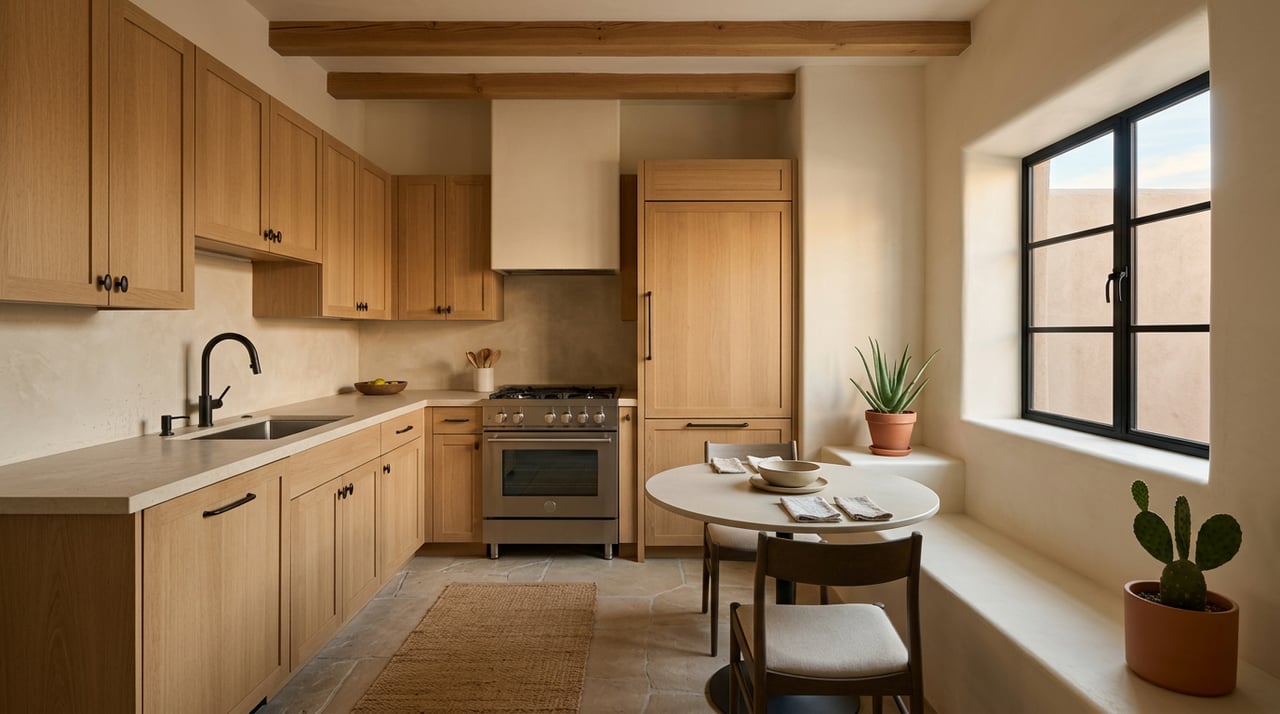
Buyers still focus on the kitchen and primary bath. You do not need a full stylistic overhaul. A sensitive refresh with durable counters, updated lighting, energy‑efficient appliances and better storage can go a long way, especially when you preserve character like hand‑carved doors or original tile. Staging and industry surveys consistently rank these rooms as top influence areas for sale readiness (staging statistics).
Authentic character plus tasteful modernization
In South Capitol, authenticity is an asset. Restored vigas, portals, kivas and traditional plaster finishes signal quality and care. The goal is a calm, neutral interior that lets historic features shine while discreetly integrating modern comforts. National preservation standards back this approach and help you avoid changes that might harm character or trigger review issues (NPS treatment guidelines).
Walkability and outdoor living
Walkability is a premium in South Capitol. Research on urban markets shows a measurable home‑value lift for walkable locations. Make it easy for buyers and appraisers to visualize that value with photos, captions and a short video highlighting nearby routes and amenities, supported by the evidence on how walkability correlates to value (Walking the Walk study).
Energy efficiency and EV readiness
Many buyers now look for energy‑smart features and EV charging potential. Locally, PNM offers programs and rebates for efficient heating and cooling and for Level‑2 EV chargers. Having rebate info, proof of past enrollments or even a turnkey quote ready can reduce friction, especially for out‑of‑market buyers weighing convenience (PNM residential programs).
Permits and preservation: what to check first
If your property is within a historic overlay or is a contributing resource to a district, exterior changes like new windows, additions or altering portals often require a Certificate of Appropriateness from the City of Santa Fe. Confirm status before you plan exterior work and build in extra time for design review and approvals. Start with the City’s published materials on approvals and processes to understand timelines and documentation needs (City of Santa Fe reference).
Practical takeaway: interior modernization is typically faster to execute than exterior changes in historic areas. Preserve distinctive elements buyers expect to see, and present those as assets in your marketing.
A 6–18 month pre‑market plan
Use this timeline to prep your South Capitol home methodically. Adjust to fit your price point, home size and condition.
- Confirm status and permit path (weeks 0–4)
- Determine if your property lies within a local historic overlay or contributes to a listed district. If you plan exterior changes, contact City Historic Preservation staff early for steps and timelines. Review district context via the Don Gaspar overview and confirm local rules with the City.
- Pre‑listing inspection and disclosures (weeks 1–4)
- Order a general inspection focused on roof condition, moisture, electrical safety, plumbing and HVAC. Address clear defects or gather documentation of recent work. Buyers value move‑in‑ready systems, which can reduce inspection‑period friction (NAR buyer trends).
- Critical systems and safety (weeks 2–12)
- Repair or replace high‑impact items like the roof, electrical panel, water heater and HVAC if reliability is in question. For historic homes, plan penetrations and routing to protect finishes and comply with preservation guidance (NPS treatment guidelines).
- Targeted kitchen/bath refresh (weeks 4–16)
- Focus on visible wins: new counters, updated fixtures, hardware, lighting and energy‑efficient appliances. Preserve character tile or plaster when it adds appeal. Staging data supports prioritizing these rooms for buyer impact (staging statistics).
- Energy and convenience (weeks 4–20, parallel)
- Add weatherstripping, insulation where feasible, LED lighting and a smart thermostat. If feasible, plan for a Level‑2 EV charger and collect PNM rebate details so buyers see the path to installation (PNM residential programs). Avoid unpermitted exterior changes if your home requires design review.
- Cosmetic staging and curb appeal (weeks 6–8)
- Repair stucco where needed, apply neutral interior paint where it brightens, and declutter. Stage key rooms so historic features are focal points rather than covered. Industry summaries show staging improves buyer perception and time on market (staging statistics).
- Documentation pack (ongoing)
- Assemble permits, Certificates of Appropriateness, receipts, manuals and any energy‑rebate paperwork. A clean file builds buyer confidence and shortens due diligence. For historic homes, complete records are especially valuable to out‑of‑market buyers evaluating risk.
Pricing and timing in today’s market
The Santa Fe area moved toward a more balanced market through late 2025 and early 2026, with buyers enjoying more choice than during 2020–2022. A recent regional snapshot showed a roughly $675,000 median sales price for single‑family homes and condos in Q4 2025 and about 71 days on market, with inventory up year over year. Quarter‑to‑quarter indicators for early 2025 also pointed to rising new listings, higher inventory and modest median‑price growth, signaling that well‑prepared, well‑priced homes still attract strong offers but instant sales are less common (SFAR QMI, Q1 2025).
How to use that insight when listing a South Capitol home:
- Price to your micro‑location and walkability. Support your asking price with comps that share proximity to the Plaza or Railyard and document lifestyle access. Cite the walkability premium observed in broader research to help frame value for buyers and appraisers (Walking the Walk study).
- Lead with condition and documentation. A clear inspection report, system upgrades and preservation‑aware improvements help sustain pricing power during negotiations.
- Mind the first 2–3 weeks. In a balanced market, the opening window still matters. Launch with complete marketing assets so you capture both local and remote buyers immediately.
Digital storytelling for out‑of‑market buyers
Santa Fe attracts a steady stream of relocators, second‑home buyers and seasonal visitors who often start their search online. National data confirms most buyers begin on the web, so your digital presentation should be complete from day one (NAR buyer trends). Consider:
- Professional photography with lifestyle context. Include detail shots of vigas and kivas plus a morning or evening exterior, portal, and patio setups.
- Floor plans and a high‑quality 3D tour so remote buyers can understand flow and scale.
- A 60–90 second neighborhood video showing a walk to the Railyard or Plaza, with captions that note features like off‑street parking, casitas or ADUs where applicable, and approximate walk times.
- Targeted digital campaigns that reach feeder markets like California, Texas and Colorado, and interest groups aligned with arts and culture or second‑home lifestyles.
- Broker‑to‑broker exposure with a polished packet that includes home history, any COA records and key upgrades.
Ayden Gramm Real Estate pairs boutique, principal‑led service with a luxury, digital‑first marketing stack, including property microsites, polished virtual tours, Luxury Portfolio syndication and targeted ad placements. That combination helps your South Capitol listing meet buyers where they are and tells a story worthy of the neighborhood.
Staging a mix of styles
South Capitol homes often blend Pueblo or Territorial elements with later additions. Your goal is to keep historic focal points visible while showing modern function.
- Keep kivas, vigas and portals clear in photos and sightlines.
- Use neutral palettes to brighten, but retain historically appropriate tones in transition spaces where it enhances authenticity.
- Stage patios and portals as real outdoor rooms with modest furnishings and lighting so buyers see year‑round use. Staging continues to show measurable effects on sale speed and perceived value (staging statistics).
Seller quick wins
- Prioritize critical systems and roof reliability.
- Refresh kitchen and primary bath with targeted updates.
- Document everything: permits, COAs, receipts and warranties.
- Highlight walkability and outdoor living in visuals and copy.
- Show a clear path to energy savings and EV charging with PNM resources.
When you’re ready to list, a thoughtful plan that respects character while delivering modern comfort will help your South Capitol home stand out. For a tailored prep plan and a marketing rollout built for both local and remote buyers, connect with Ayden Gramm Real Estate.
FAQs
Do I need approval to replace windows or alter a portal on a South Capitol home?
- If your property is within a local historic overlay or is a contributing resource, exterior changes often require City design review and a Certificate of Appropriateness. Confirm requirements with the City of Santa Fe before starting work (City reference).
Will preserving original features reduce my buyer pool in Santa Fe?
- Typically it does the opposite. Many buyers value authentic character, and preserved features often increase appeal when paired with modern systems and neutral staging (Santa Fe Forward assessment).
What single pre‑market investment delivers the best payoff?
- Address deferred maintenance and system reliability first. After that, a tasteful kitchen or primary‑bath refresh plus professional staging and photography usually provides the best return (NAR buyer trends).
How should I factor walkability into pricing my South Capitol home?
- Document lifestyle access and support pricing with comparable sales that share proximity to the Plaza or Railyard. Broader research shows walkability often correlates with a value premium (Walking the Walk study).
Are buyers asking about EV charging and energy features?
- Increasingly yes. Provide information on electrical capacity, any upgrades, and PNM rebates or installer quotes for a Level‑2 charger to make the decision easy for out‑of‑market buyers (PNM residential programs).