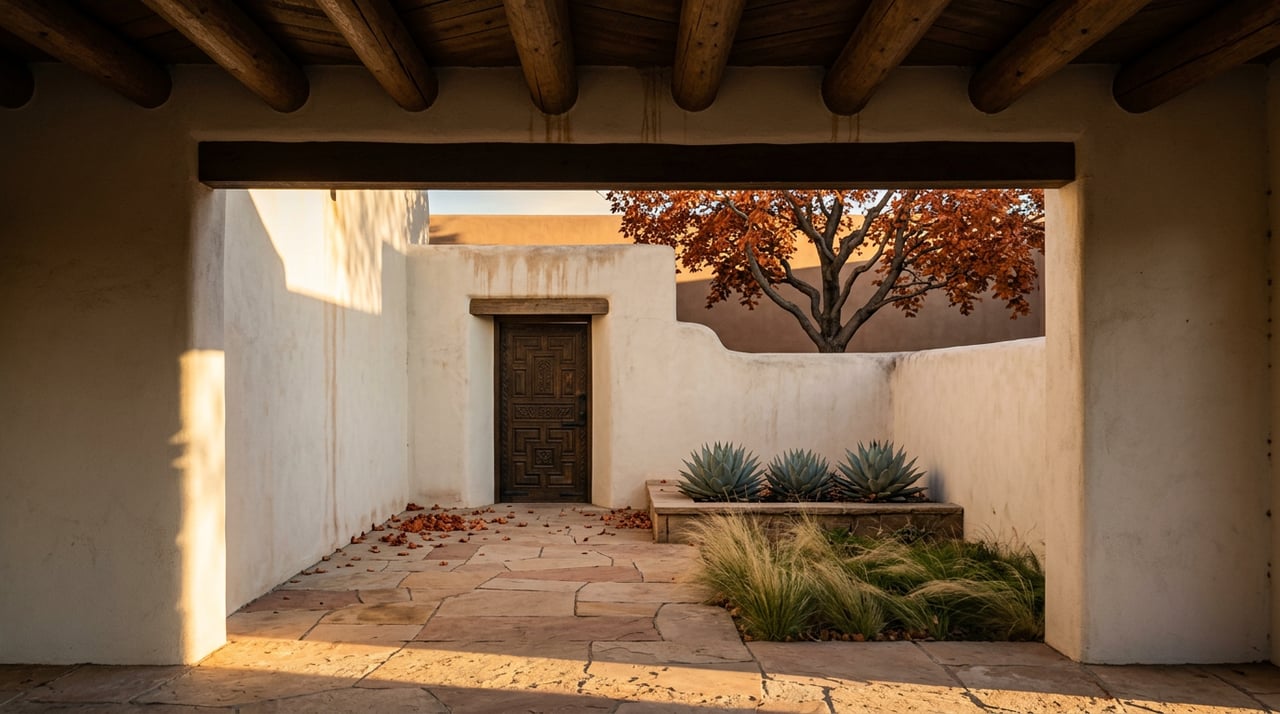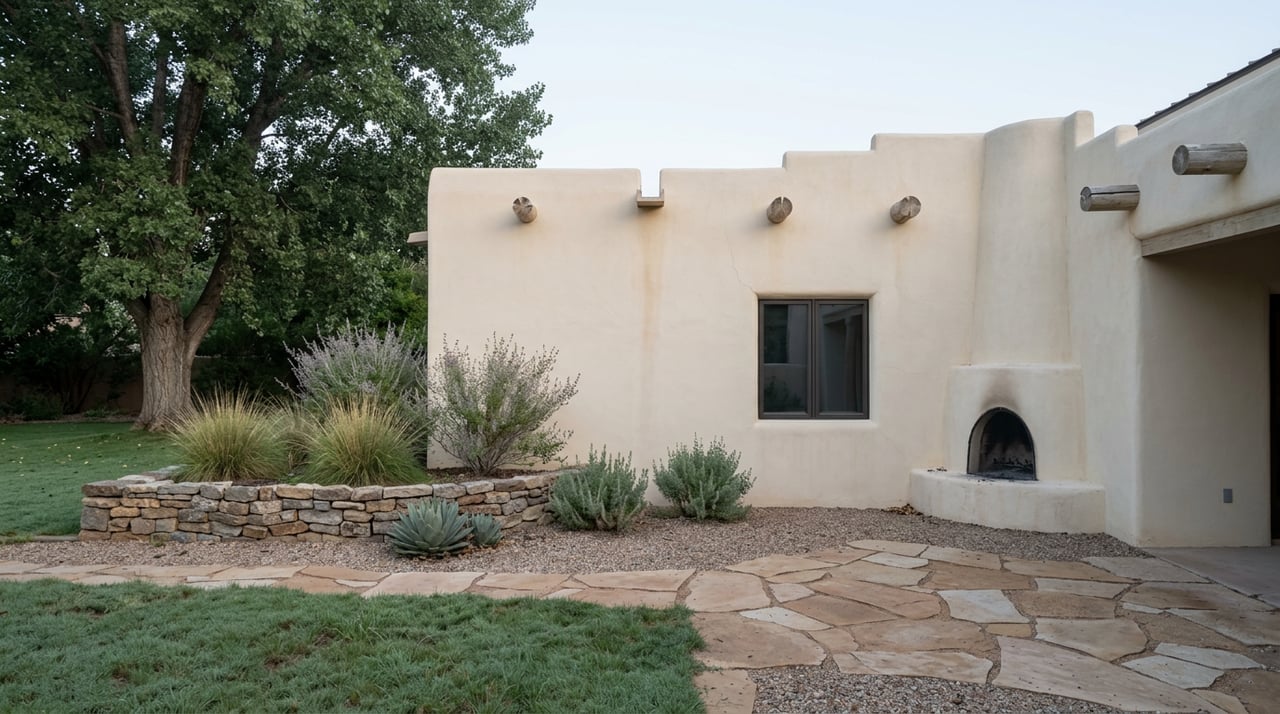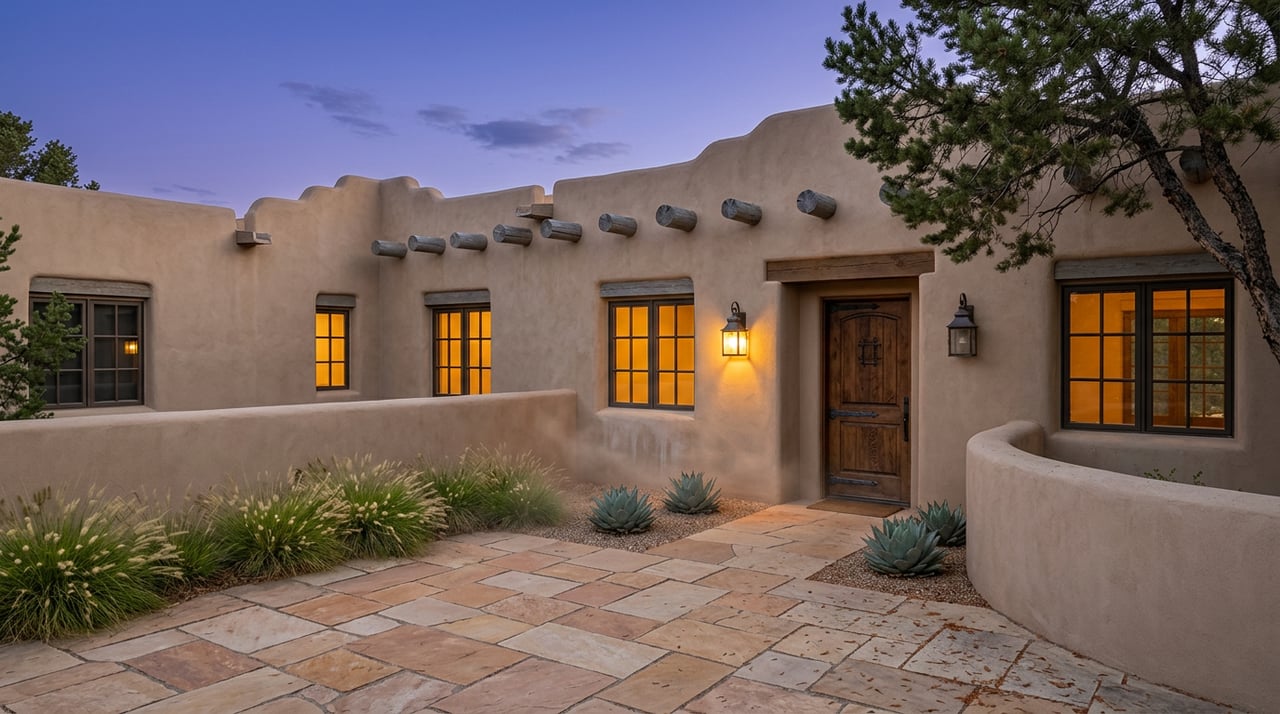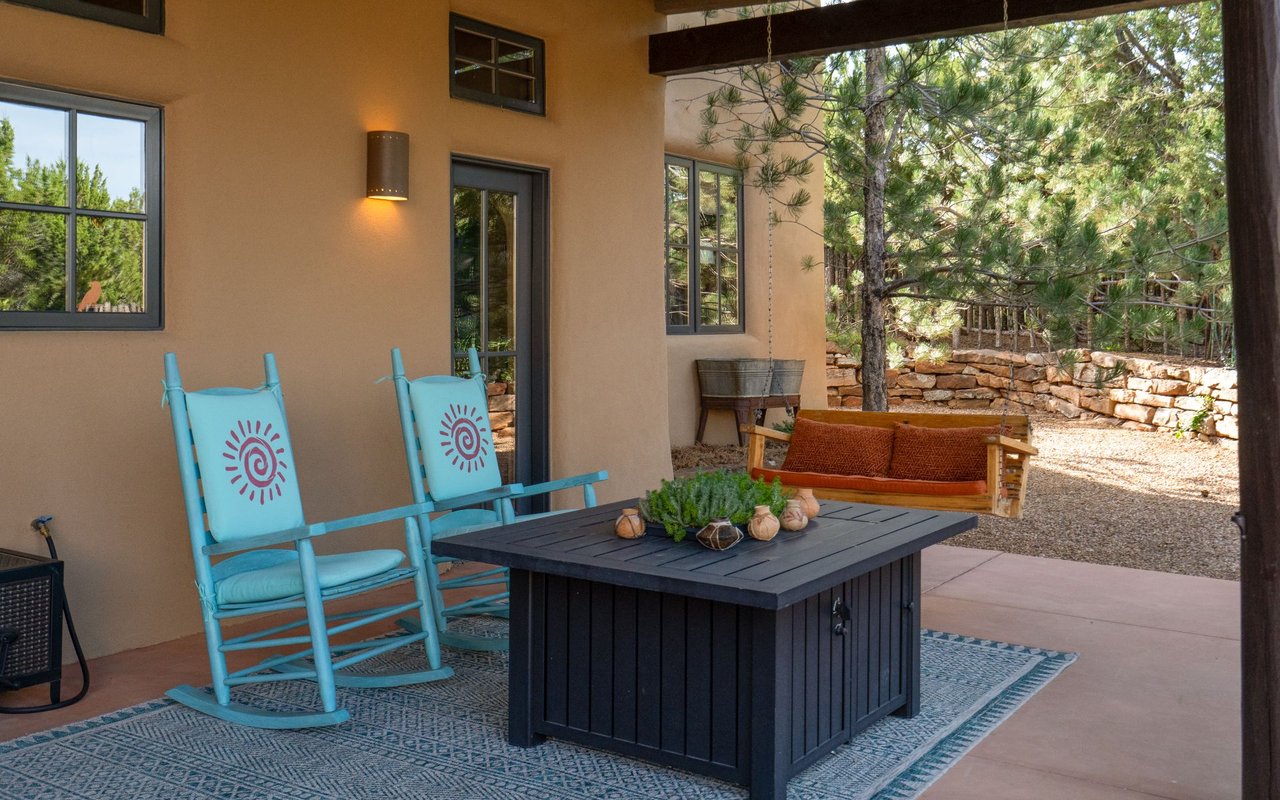


If you have ever driven through the Plains and felt how far the horizon can stretch, you already understand why the Santa Fe Trail mattered. This route linked Missouri to Santa Fe, and it did it in a way that changed trade, culture, and power across the region. If you are also thinking about a move to northern New Mexico, it helps to know the story under your feet. That is the kind of context Santa Fe real estate agent Ayden Gramm keeps in mind when helping people buy and sell in the Santa Fe area.
What the Santa Fe Trail was
The Santa Fe Trail was a major overland trade route from the Missouri River region to Santa Fe. It rose fast after 1821, when trade between the United States and Mexico expanded, and it stayed important until railroads replaced long wagon travel in the late 1800s. At its peak, the trail carried manufactured goods west and brought valuable items back east, creating a commercial pipeline that shaped towns, forts, and travel corridors.
People sometimes picture a single line on a map, but it was more like a working corridor with multiple options, detours, and seasonal decisions. Travel choices depended on water, weather, grazing, safety, and time. The trail’s traffic also followed older routes and Indigenous pathways that long predated U.S. commerce.
Where it ran and why there were two main routes
Most journeys started around Independence, Missouri, and ended in Santa Fe, New Mexico. From Missouri the trail crossed what is now Kansas, then entered New Mexico. Westbound travelers faced a constant math problem: faster travel usually meant higher risk.
Two main branches defined that tradeoff:
The Mountain Route followed the Arkansas River longer and then turned southwest, passing through places where water and grass were more reliable. It was often safer in terms of basic survival needs, but it added time and terrain. It also connected more directly to key forts and supply points as U.S. military presence grew.
The Cimarron Cutoff was shorter and could save days, sometimes more. The price was exposure. Long dry stretches, fewer dependable water sources, and the risk of getting lost made it a gamble. It could be the right choice for an experienced outfit, but a bad decision could be fatal.
Why 1821 matters
The year 1821 is the usual starting point for the trail’s main era because it lines up with a major shift in cross border trade. Demand grew on both sides for goods that were hard to produce locally and expensive to move. The trail turned that demand into a repeatable business model. Missouri outfitting centers supplied wagons, livestock, tools, cloth, and other manufactured items. Santa Fe functioned as a trade hub tied into networks that reached deeper into Mexico.
What moved on the trail
Trade made the trail pay for itself, and the goods were practical, not romantic.
Travelers carried manufactured items west, such as cloth, hardware, tools, cookware, paper, and other supplies. In return, wagons came back with items tied to regional production and markets, including silver and coin, mules and horses, wool, and hides. The exact cargo changed with prices and politics, but the logic stayed the same: move high value goods that could survive a long trip.
This commerce did more than enrich traders. It pulled money and people into frontier towns, created jobs for teamsters and guides, and helped expand credit networks and partnerships that looked a lot like early western capitalism.
Who used the trail and who the trail affected
The trail was never just a U.S. story. Mexican merchants and New Mexican communities were central to how trade functioned on the Santa Fe end. Hispano families, local officials, and business owners supported markets, storage, transport, and deal making that made the route viable.
Indigenous nations across the region did not simply watch traffic pass through. They controlled territory, negotiated access, protected resources, and sometimes resisted intrusion. The trail’s growth meant more competition for water, grazing, and hunting grounds, along with rising political pressure from expanding U.S. settlement and military operations. Any accurate account has to name that reality: commerce and expansion brought wealth for some and dispossession and conflict for others.
Daily life on the trail
Most trips were slow and repetitive until they were not. Wagons moved at a pace set by animals and weather. Teams often used oxen for endurance, with mules valued for speed and handling. Food was simple and transportable. Repairs were constant. A broken wheel or lame animal could halt everything.
Water dictated the day. Routes tracked rivers and springs where possible, and travelers planned hard for the long dry sections. River crossings were risky, not just for drowning but for losing cargo. Illness, accidents, and exhaustion were common. Even when nothing dramatic happened, the toll of weeks on the move was real.
Risk, conflict, and the role of the military
Threats came from the environment first: heat, cold, storms, and disease. After that came human threats: theft, violence, and clashes tied to territorial control and economic pressure. During periods of war and heightened tension, the trail took on more military importance. Forts and patrols aimed to protect movement and supply lines, but they also advanced U.S. power across the region. As the 1800s progressed, the trail became part of a larger system of settlement, enforcement, and political change.
The decline of the trail
By the late 1800s, railroads could move goods faster, cheaper, and with fewer losses. Wagon trade could not compete. Traffic fell, and many trail related businesses shifted to rail hubs or changed industries. Even so, the route did not vanish. Roads, towns, and regional connections often followed the same general logic the trail did: find workable grades, dependable water, and access to markets.
What remains today, and why Santa Fe still feels like a crossroads
You can still find physical traces in some places, including ruts and site markers. More important is the pattern the trail left behind. It helped shape where towns grew, where trade concentrated, and how Santa Fe became a long term center for exchange and administration. The city’s role as a meeting point did not end when the wagons did. It shifted into newer forms of commerce, tourism, government, and art.
FAQ About the Santa Fe Trail
How long was the Santa Fe Trail?
Roughly 900 miles, depending on the specific route taken and starting point in Missouri.
Why did the trail become important so quickly?
Because it connected strong demand for goods with a workable corridor for large scale transport, right when cross border trade expanded after 1821.
What is the difference between the Mountain Route and the Cimarron Cutoff?
The Mountain Route was longer but had more dependable water and supply points. The Cimarron Cutoff was shorter but carried higher risk because of dry stretches and navigation problems.
Did the trail only benefit U.S. traders?
No. Mexican merchants and New Mexican communities were essential to the trail’s trade economy. At the same time, the trail’s growth increased pressure on Indigenous lands and resources and contributed to conflict and displacement.
What home styles are most common in Santa Fe today?
Adobe and adobe style homes, Pueblo Revival, Territorial, and a range of mid century to newer builds. Condos, townhomes, and properties on acreage are also available depending on location and budget.
What should I watch for when buying an adobe or adobe style home?
Ask about roof maintenance, drainage, wall condition, insulation, heating, and any recent updates. Also confirm how the home is constructed, since “adobe style” can mean many methods.
Connect with Ayden Gramm
If you want help buying or selling in Santa Fe, reach out to Ayden Gramm. Tell him what you want in plain terms: location, price range, maintenance level, and must haves. He can narrow the search, explain what is typical for local construction, and help you avoid surprises that do not show up in listing photos.